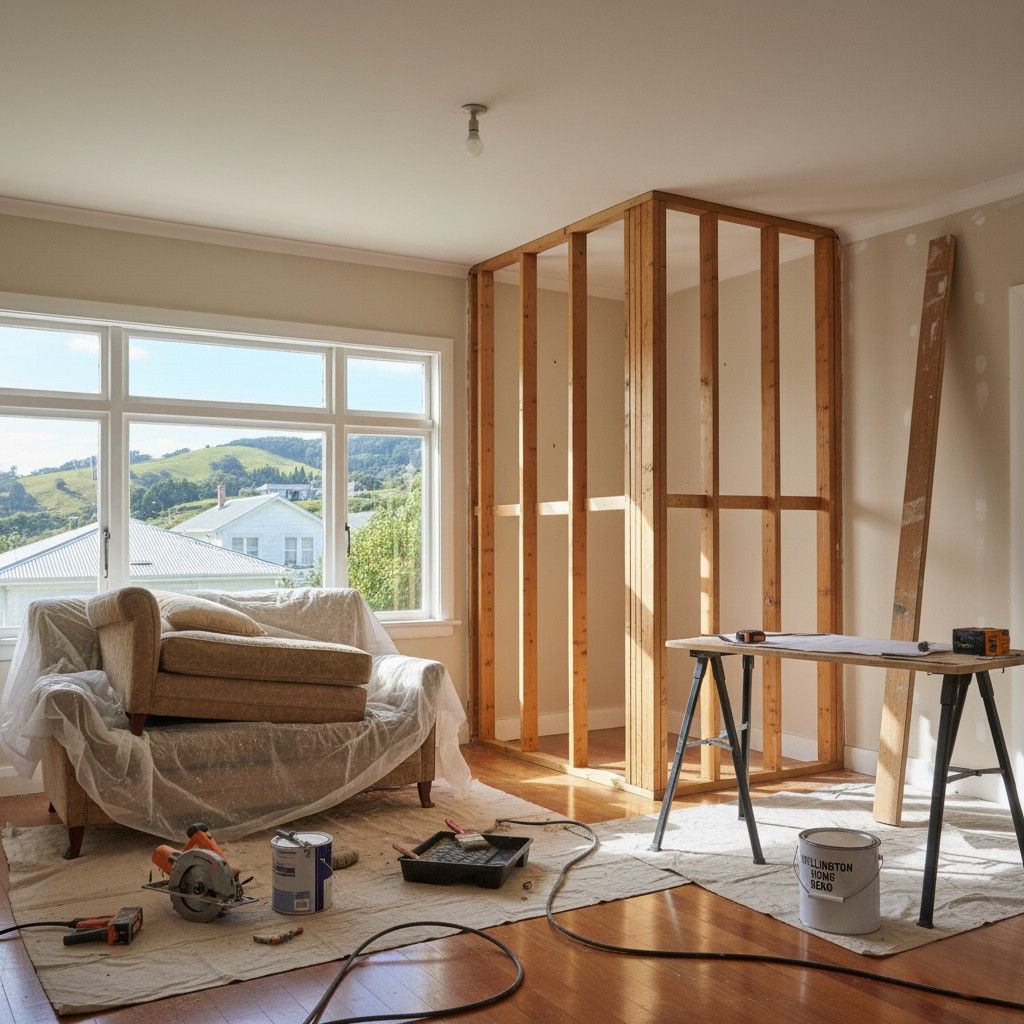
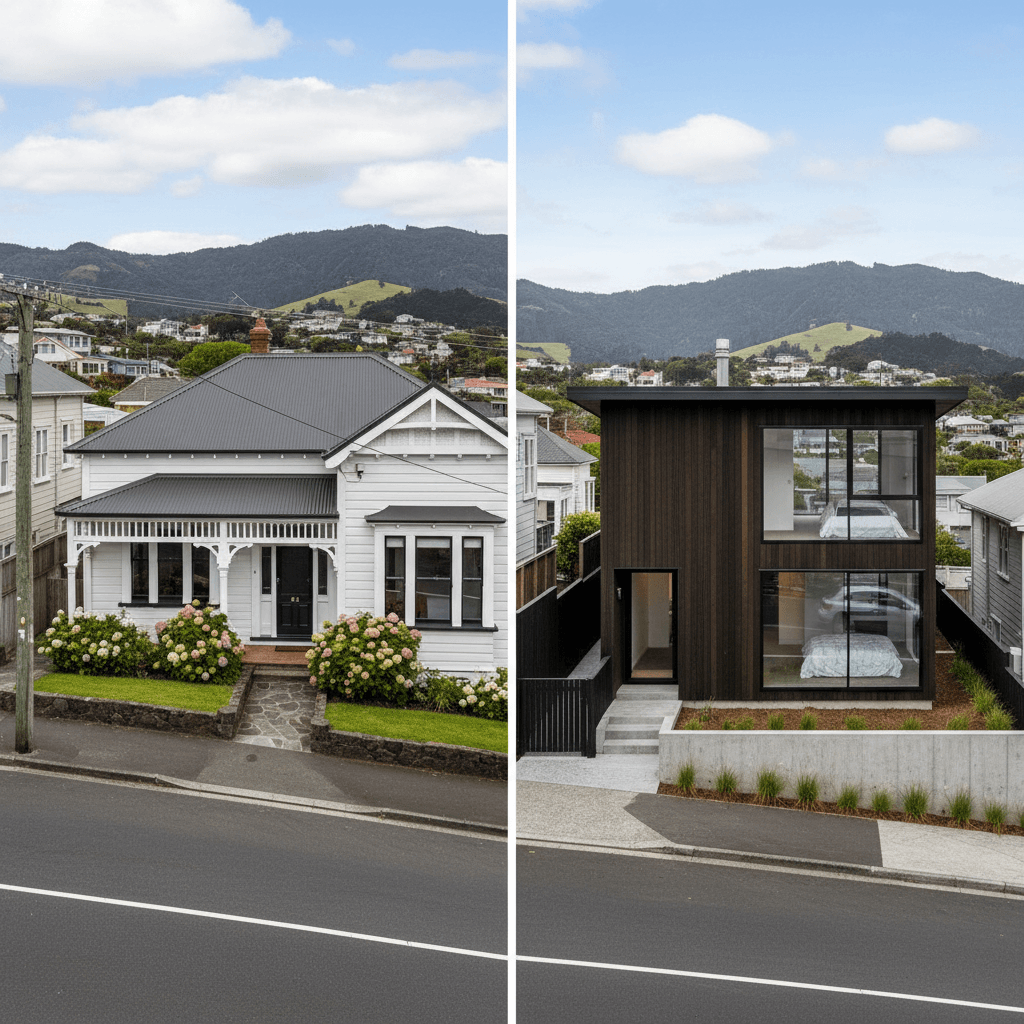
Quick Answer: In Wellington, renovating typically costs $1,600-$2,500 per sqm while rebuilding runs $2,800-$5,000+ per sqm. Renovation usually wins when you have a character home with good bones, heritage restrictions, or a tighter budget. Rebuilding makes more sense when structural damage is severe, the layout is fundamentally wrong for the section, or earthquake strengthening costs approach rebuild territory.
What’s in This Guide
- Cost Comparison: Renovating vs Rebuilding
- When Renovating Makes More Sense
- When Rebuilding Makes More Sense
- Wellington-Specific Factors
- Consent and Heritage Rules
- Common Scenarios
- Why Choose Clearcut Building Solutions
- Frequently Asked Questions
Cost Comparison: Renovating vs Rebuilding
The numbers are the logical starting point. Here is what Wellington homeowners can expect to pay for each option in 2026:
| Option | Cost Per sqm | Total (150sqm Home) |
|---|---|---|
| Cosmetic renovation | $800 – $1,200 | $120,000 – $180,000 |
| Mid-range full renovation | $1,600 – $2,500 | $240,000 – $375,000 |
| High-end structural renovation | $2,500 – $4,000+ | $375,000 – $600,000+ |
| Knock-down rebuild (flat site) | $2,800 – $4,000 | $450,000 – $650,000 |
| Knock-down rebuild (hillside) | $3,500 – $5,000+ | $550,000 – $850,000+ |
Important: Rebuild costs above include demolition ($10,000-$40,000), consent fees, and construction but not architect fees ($15,000-$50,000+), earthworks, or landscaping. For hillside Wellington sections, external site works can add 30-50% on top of the build cost.
On paper, renovating is almost always cheaper. But the gap narrows quickly when a renovation involves structural work, earthquake strengthening, or remediation of hidden issues like rot and asbestos. In those situations, you need to get detailed quotes for both options before committing.
When Renovating Makes More Sense
The Structure is Sound
If your home has solid foundations, good framing, and an intact roof, a renovation is the obvious choice. You are building on what already works rather than starting from zero. Even dated interiors, old kitchens, and tired bathrooms can be transformed without touching the structure.
You Own a Character Home
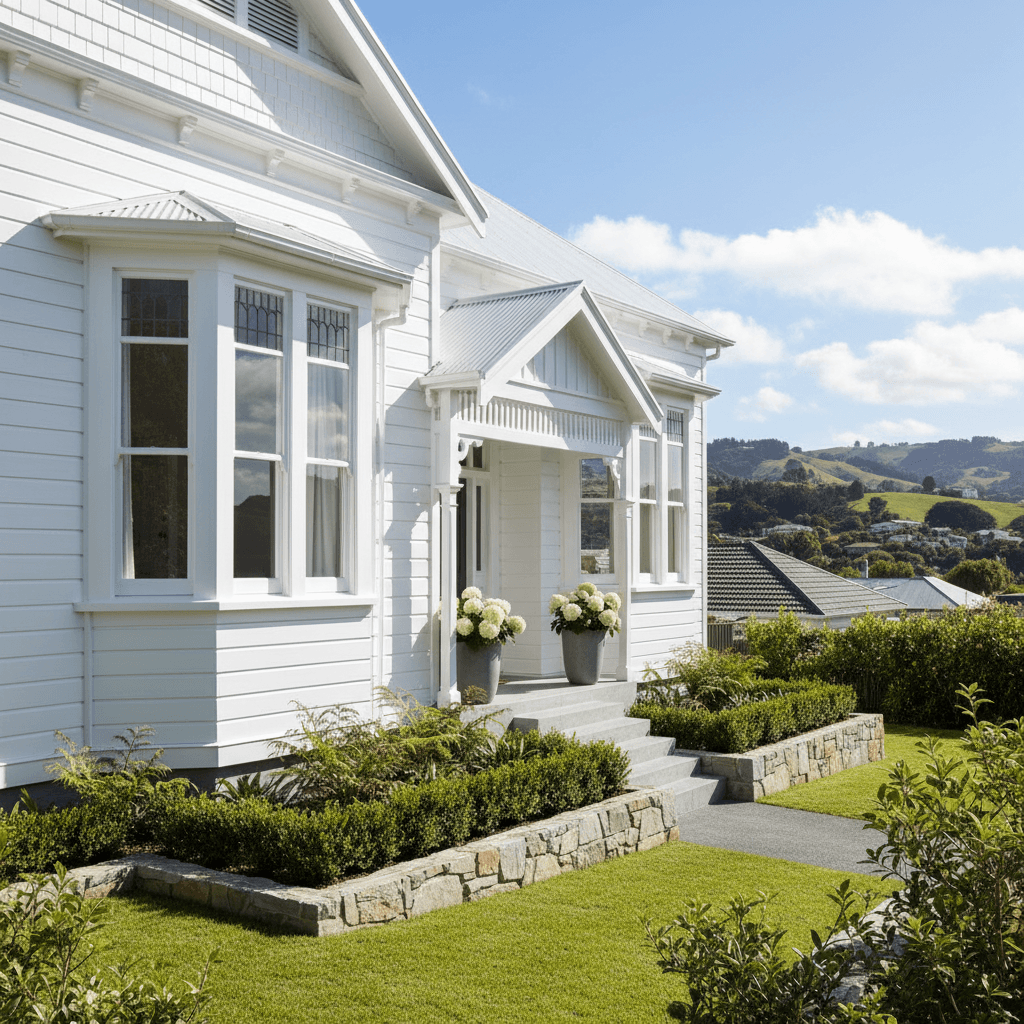
Wellington’s villas and bungalows are genuinely valuable. Original features like rimu floors, high ceilings, and bay windows add both character and market value. A skilled renovation preserves these features while bringing the home up to modern standards. Well-renovated character homes in areas like Thorndon, Mt Victoria, and Aro Valley consistently command premium prices.
If you have decided to renovate, this is how we handle Wellington villa renovations.
Heritage Restrictions Apply
If your home is pre-1930 and sits within one of Wellington’s character overlay areas, demolition requires resource consent with a strong presumption against approval. In these situations, renovation is not just the better option but often the only realistic one. More on this in the consent section below.
Budget is a Priority
A mid-range renovation delivering a new kitchen, bathroom, and modernised living spaces can be completed for $150,000-$300,000. A full rebuild of the same home starts at $450,000 before extras. If your budget sits in the $150,000-$350,000 range, renovation gives you far more bang for your money.
You Want to Stay Closer to Home
Major renovations typically take 3-6 months and can sometimes be staged so you continue living in part of the house. A full knock-down rebuild means 8-18 months of alternative accommodation on top of the build costs.
When Rebuilding Makes More Sense
Severe Structural Damage
When foundations have failed, framing is extensively rotten, or the house is fundamentally unsound, repair costs can spiral beyond what a rebuild would cost. If more than 30% of the structural framing is compromised, the numbers often favour starting fresh.
Leaky Home Beyond Economic Repair
Full recladding of a leaky home averages $1,700-$2,800 per sqm of cladding area. For a two-storey 200sqm home, that can reach $330,000-$500,000+. At that point, a rebuild delivers a brand new, fully insulated, code-compliant home for a similar or only slightly higher cost. Our recladding cost guide has detailed breakdowns to help you compare.
The Layout Does Not Suit the Section
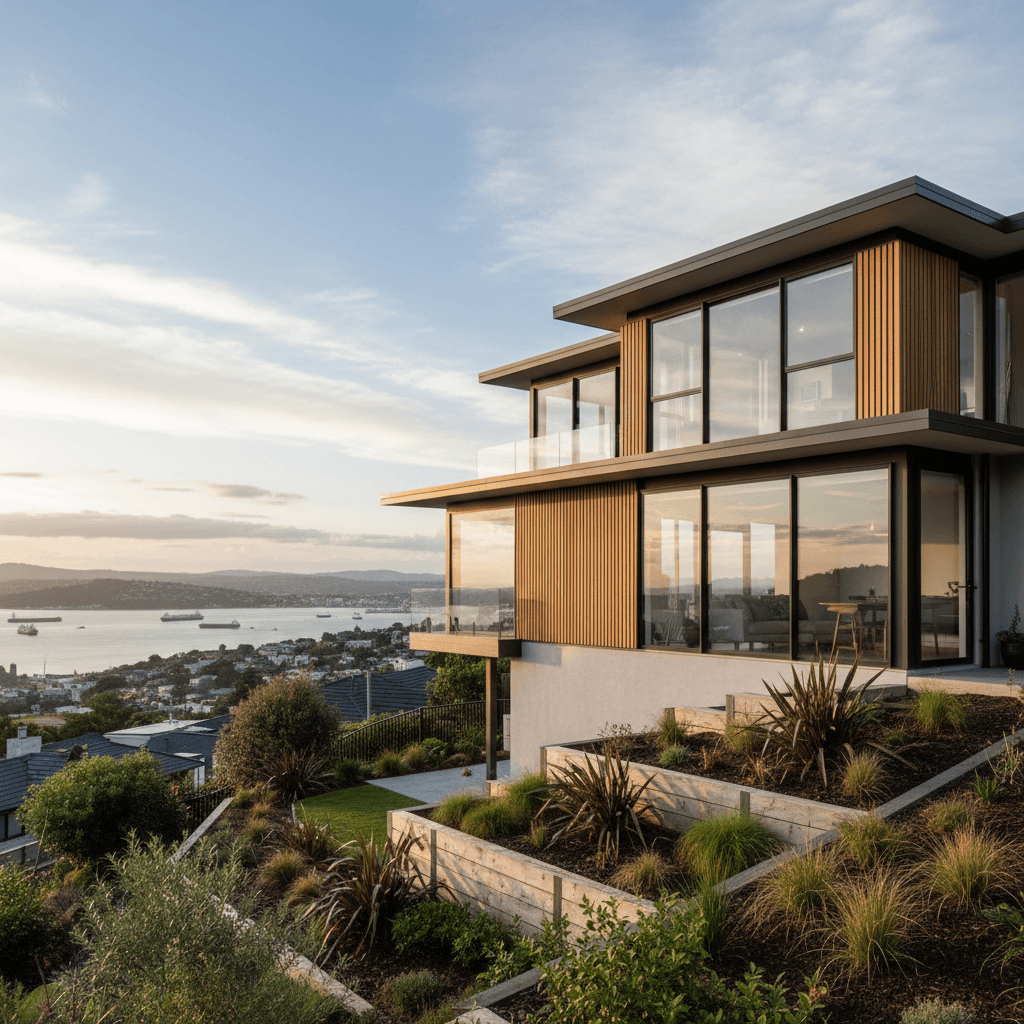
A small 90sqm house on a generous flat section is underutilising the land. Rebuilding lets you design a home that properly fits the site, potentially doubling the floor area and dramatically increasing the property’s value. On larger sections, there may also be subdivision potential or room for a minor dwelling.
Earthquake Risk is Too High
Older unreinforced masonry homes or houses with poor seismic performance can cost $100,000-$200,000+ to strengthen. Wellington’s seismic risk makes this a real consideration. If earthquake strengthening costs approach 40-50% of rebuild cost, it can make more financial sense to start with a modern, fully compliant structure. Read our earthquake strengthening guide for more detail.
Energy Efficiency Matters
Modern builds achieve significantly better insulation, airtightness, and energy performance than retrofitted older homes. Double glazing, continuous insulation, heat recovery ventilation, and higher Homestar ratings mean lower heating bills and a healthier indoor environment for decades to come.
Wellington-Specific Factors
Wellington is not Auckland. The decision here involves factors that do not apply in most other New Zealand cities.
Earthquake Strengthening
Wellington is classified as a high seismic risk area. While residential homes of three or fewer storeys are technically exempt from earthquake-prone building legislation, buyers and insurers increasingly factor seismic performance into their decisions. A seismic assessment costs $3,000-$8,000 and gives you a clear picture of where your home stands.
Hillside Sites
A significant proportion of Wellington homes sit on sloping or steep sections. Hillside construction costs 10-30% more than building on flat ground due to foundations, retaining walls, access challenges, and drainage. This premium applies to both renovation and rebuild, but demolition and rebuild on steep sites is especially expensive because of limited machinery access. Our hillside building guide covers these challenges in detail.
Wind Zones
Wellington has some of the most extreme wind zones in New Zealand. Stricter structural requirements for bracing, fixing methods, and cladding systems add cost to both renovation and new construction. Weathertightness is a major concern. The combination of strong winds and driving rain creates conditions for water ingress, particularly in homes with inadequate cladding or flashings.
Consent and Heritage Rules
This is where many Wellington homeowners get caught off guard.
Character Overlay Areas
Wellington has seven designated character areas: Mt Victoria, Thorndon, Aro Valley, The Terrace, Mt Cook, Newtown, and Berhampore. If your home is pre-1930 and sits within one of these overlays, demolishing it requires resource consent with a strong presumption against approval.
Council assesses the building’s contribution to the streetscape, its original design features, and whether it forms part of a consistent row. Any replacement building must demonstrate that its character contribution is “as good or better” than what was demolished.
Tip: The 2024 District Plan changes reduced Wellington’s character areas from 306 hectares to approximately 86 hectares. Search your address in the WCC ePlan to confirm whether your property falls within a current overlay before making any decisions.
Resource Consent vs Building Consent
A renovation typically needs only a building consent. A knock-down rebuild in a character area could require both a resource consent (for the demolition and new building form) and a building consent (for the construction). That means extra cost ($2,000-$10,000+ for resource consent), extra time, and no guarantee of approval.
Heritage-Listed Buildings
Buildings on Wellington’s Schedule of Heritage Buildings follow even stricter rules. Demolition consent for heritage-listed properties is extremely difficult to obtain. If your home is heritage-listed, renovation is effectively the only path.
Common Scenarios
Villa with Good Bones but Dated Interior
Verdict: Renovate. Solid framing, original character features, and likely sitting in a character area. A $200,000-$350,000 renovation delivers a modern kitchen, updated bathrooms, and refreshed living spaces while preserving the home’s heritage value. Timeline: 3-6 months.
1990s Leaky Home with Extensive Damage
Verdict: Get quotes for both. Full recladding could cost $280,000-$450,000 depending on damage extent. A rebuild starts at $450,000. If structural timber damage is extensive, rebuild may be more economical. If damage is primarily to cladding, a professional reclad with Code Compliance Certificate restores full market value.
Small House on Large Flat Section
Verdict: Likely rebuild. The land value justifies a larger, modern home. You may also have subdivision potential or room for a minor dwelling. Check character overlay status first if the home is pre-1930.
Character Home in Heritage Area
Verdict: Must renovate. Demolition consent will almost certainly be refused. The upside is that well-renovated homes in protected character areas command premium prices precisely because the streetscape is preserved.
Why Choose Clearcut Building Solutions
We handle both sides of this decision. As experienced Wellington builders specialising in home renovations, extensions, recladding, and new builds, we can give you honest, informed advice on which option makes the most sense for your property.
We have decades of experience working with Wellington’s character homes, hillside sections, and seismic challenges. We understand the structural surprises that come with older homes, the consent requirements for character areas, and the real-world costs of both renovation and rebuild. Our team coordinates all trades under one roof, from initial assessment through to completion, with clear communication and no hidden costs.
Frequently Asked Questions
Is it cheaper to renovate or rebuild in Wellington?
Renovating is almost always cheaper. Mid-range renovations run $1,600-$2,500 per sqm compared to $2,800-$4,000+ per sqm for a new build. However, if your home has severe structural issues or extensive leaky home damage, the gap narrows significantly and a rebuild can sometimes work out more economical.
Can I demolish a pre-1930 house in Wellington?
If your property is within a character overlay area (Mt Victoria, Thorndon, Aro Valley, The Terrace, Mt Cook, Newtown, or Berhampore), you need resource consent with a strong presumption against demolition. Outside these areas, demolition is generally permitted. Check the WCC ePlan for your specific address.
How do I know if my home is worth renovating?
Get a professional building inspection. If the foundations are sound, framing is in good condition, and the roof is intact, renovation is almost always worthwhile. The biggest risk is hidden damage like rot, borer, or asbestos, so budget a 25% contingency for older homes.
How long does a major renovation take compared to a rebuild?
A major renovation typically takes 3-6 months. A full knock-down rebuild takes 8-18 months from demolition to handover, plus 2-6 months for design and consent before work starts. Factor in alternative accommodation costs for a rebuild.
Should I consider earthquake risk in my decision?
Yes. Wellington’s seismic risk is real. A seismic assessment ($3,000-$8,000) tells you where your home stands. If strengthening costs approach $150,000-$200,000, compare that against a full rebuild which delivers a fully code-compliant modern structure.
What about a partial rebuild or major extension instead?
This is often the sweet spot. Keeping the front of a character home and extending or rebuilding the rear gives you the best of both worlds: preserved streetscape, modern living spaces, and lower cost than a full rebuild. Our home extensions service covers this approach.