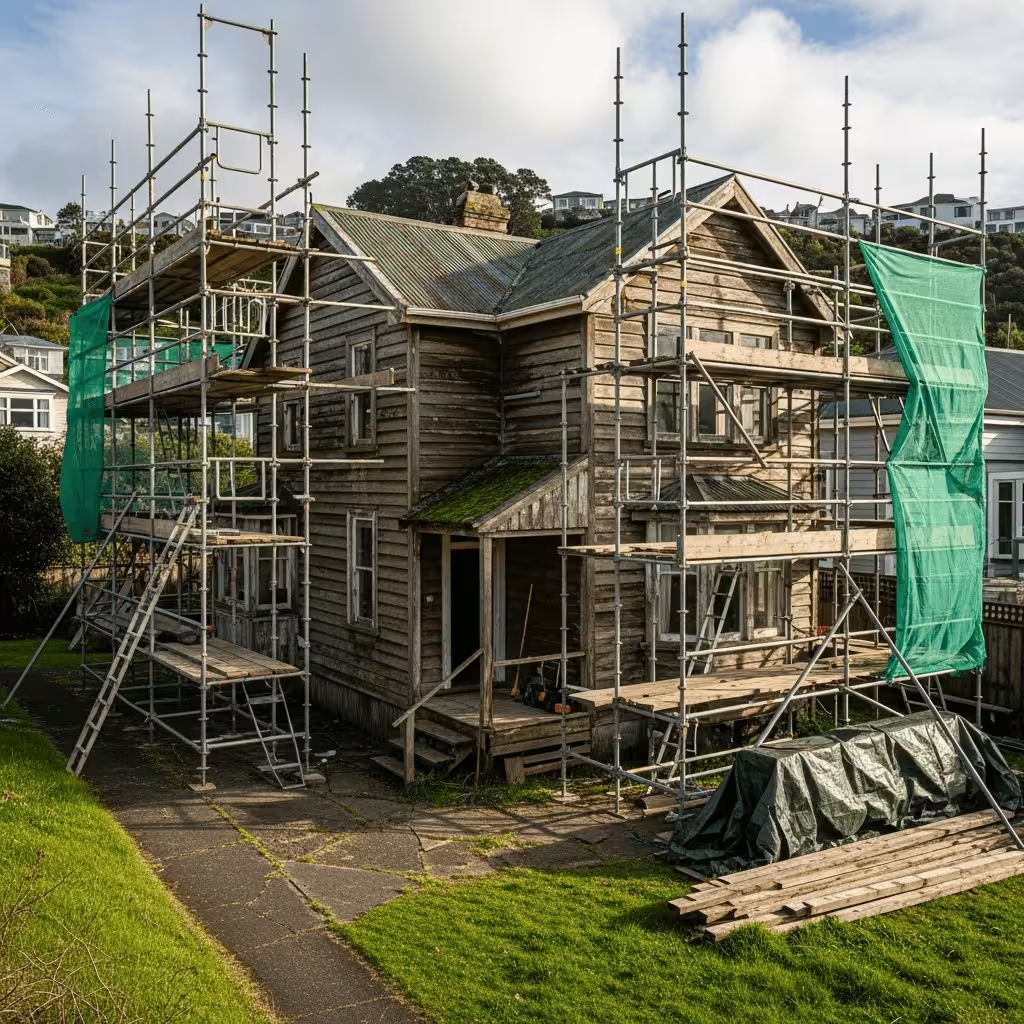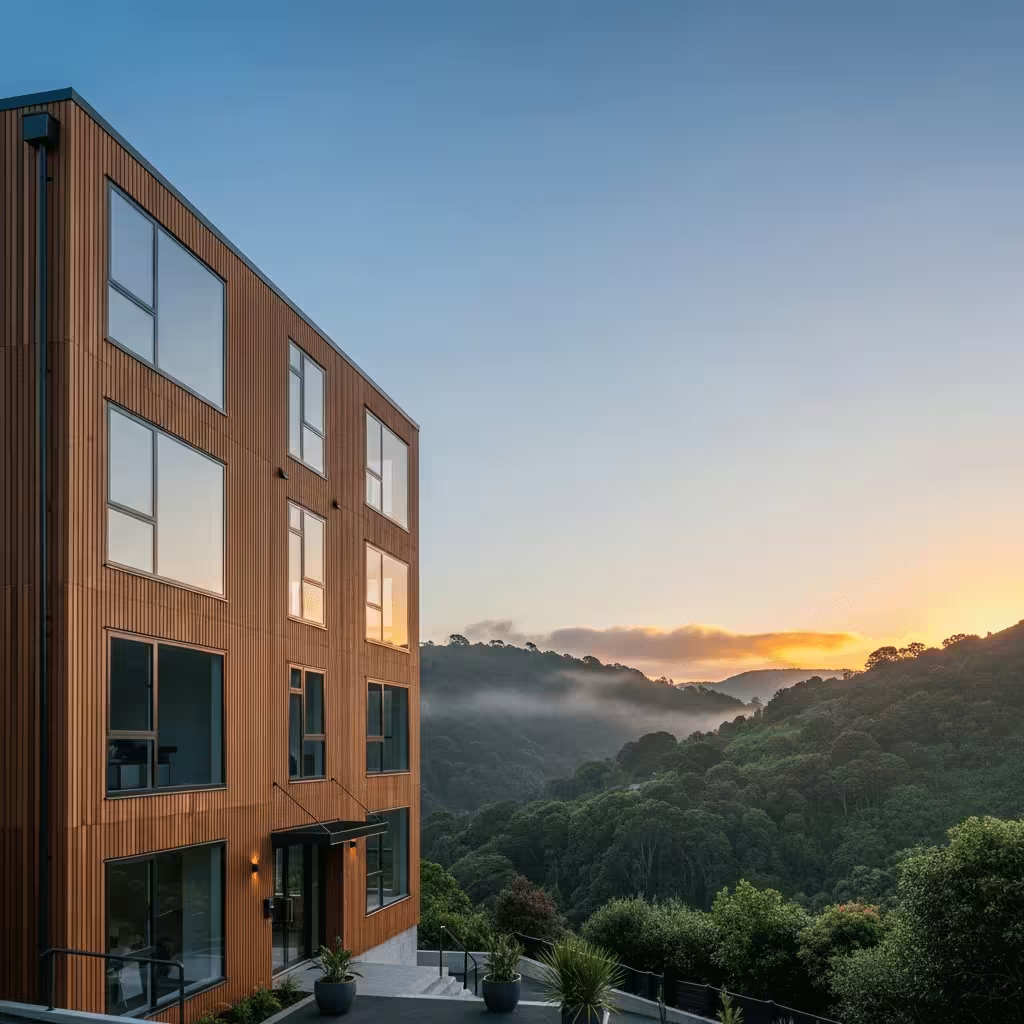
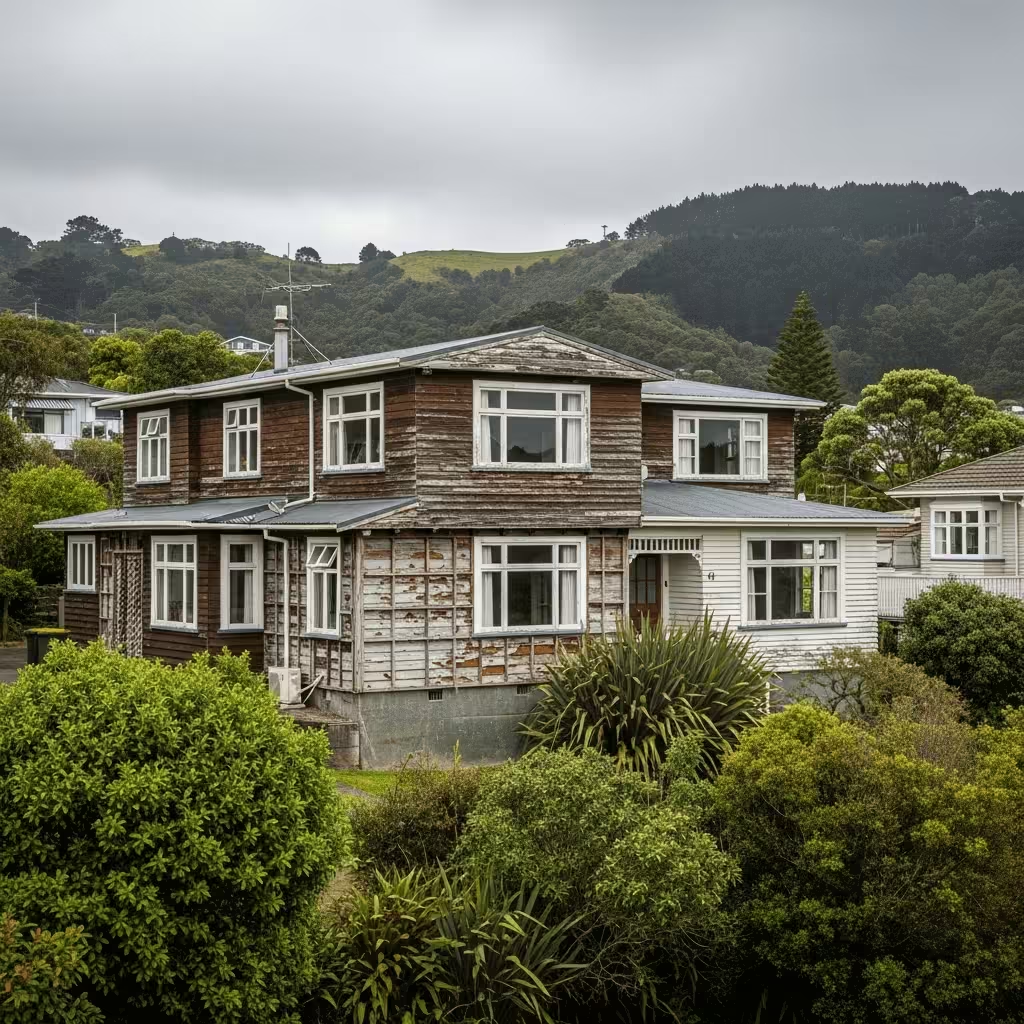
The cost to reclad a house in Wellington typically ranges from $1,900 – $2,800 per square metre, depending on the home’s size, design complexity, and chosen materials. For a standard 150 m² home, expect to pay around $285,000 – $420,000 NZD for a full reclad, including removal of old cladding, wall repairs, and compliance with Wellington’s building and weather-tightness standards. Costs increase for two-storey homes or when structural damage is discovered during the process.
This table shows the estimated cost as a guideline for recladding services. For an accurate quote, contact Clearcut Building Solutions today.
| Home Size | Cost Range (per sqm) | Estimated Cost Range |
|---|---|---|
| Small (100-120 sqm) | NZD 2,145 – 2,475 | NZD 214,500 – 247,500 |
| Medium (140-180 sqm) | NZD 2,035 – 2,255 | NZD 284,900 – 405,900 |
| Large (200-250 sqm) | NZD 1,980 – 2,145 | NZD 396,000 – 536,250 |
| Extra Large (260-300 sqm) | NZD 1,925 – 2,090 | NZD 500,500 – 627,000 |
- Introduction
- Section 2: Material Choices for Recladding
- Process and Considerations for Recladding
- Why Choose Clearcut Building Solutions for Recladding Your Home
- Frequently Asked Questions
- How much does it typically cost to reclad a house?
- What factors affect the cost of recladding a house in Wellington?
- Is it necessary to reclad the entire house?
- How long does the recladding process take?
- What are the most popular recladding materials?
- Does recladding improve home insulation?
- Can I reclad my house myself?
- Why is it important to hire a professional for recladding?
Recladding your house can be a transformative project that revitalises the look and feel of your home while ensuring its structural integrity. If you’re considering recladding in Wellington, it’s crucial to understand the costs involved and how they differ based on various factors. The cost to reclad a house is influenced by numerous elements, including material choice, home size, and the complexity of the design. In this comprehensive guide, we’ll break down the expenses and considerations, aiming to equip you with the knowledge to make informed decisions. Engaging with professional builders like Clearcut Building Solutions in Wellington can provide you with a clear pathway to achieving the aesthetic and functional upgrades you desire.
Factors Affecting Cost
The expense associated with recladding a house can range significantly. Key determinants include the selection of materials, with options like timber, brick, vinyl, or monolithic cladding each carrying different pricing. Labour charges also play a pivotal role, especially in Wellington, where the demand for quality building services is high. Additionally, the architectural complexity of your home can further influence the overall costs, requiring specialised skills and longer timelines.
Benefits of Recladding
Besides boosting your home’s aesthetic appeal, recladding offers long-term benefits, such as improved insulation, potential energy cost savings, and heightened property value. With Wellington’s often unpredictable weather, recladding can also enhance your home’s durability against external elements. Working with experts ensures that recladding is not just a cosmetic upgrade but an investment in your home’s future resilience.
Navigating the intricacies of home renovation can be challenging, yet understanding the potential expenses and advantages aligns with Clearcut Building Solutions’ mission to deliver excellence in construction and customer service. As you explore your options in Wellington, this guide serves as an integral resource.

Recladding, Wellington wide
Want a real number for your house?
Costs per square metre only go so far. Clearcut Building Solutions will inspect your cladding, scope the work and give you a fixed-scope quote.
Get a quoteor call 0274 622 191
Material Choices for Recladding
When considering the cost to reclad a house, one of the most significant factors to consider is the type of material used. The material selected impacts not only the aesthetic appeal and functionality but also the overall expense of the project. In Wellington, homeowners have access to a variety of materials, each offering unique benefits and drawbacks. Understanding these options is crucial to making an informed decision that aligns with both your budget and design preferences.
Timber Cladding
Timber remains a popular choice for recladding due to its natural beauty and versatility. It provides a warm, classic look that suits many architectural styles found in Wellington. Timber is available in several types, including cedar and pine, each with distinct characteristics. Cedar, known for its durability and resistance to rot, requires less maintenance than other timber types but comes at a higher cost. Pine, while more affordable, demands regular upkeep to maintain its appearance and protection against the elements. The initial investment in timber cladding can be substantial, but its aesthetic appeal often justifies the price for many homeowners.
Vinyl Cladding
For those seeking a low-maintenance option, vinyl cladding is an attractive choice. Vinyl is cost-effective and available in a wide array of colours and styles, making it easy to match with any design preference. Its durability against the variable weather conditions in Wellington is a notable advantage, as it resists fading, peeling, and chipping. Additionally, vinyl cladding’s energy efficiency can add insulation benefits, further contributing to its value. However, despite its many perks, it may not offer the same authenticity or appeal as natural materials, which could be a consideration depending on your home’s style.
Brick Cladding
Brick cladding is synonymous with durability and timelessness. Its natural thermal properties provide excellent insulation, keeping homes warm during Wellington’s cooler months. While more costly upfront, brick’s longevity and minimal maintenance requirements often mean lower lifetime costs. The range of textures and colours available allows for significant customization. However, it is essential to consider that brick is heavier than most other cladding options and may require additional structural support, impacting the total expense. For those prioritizing robustness and a classic aesthetic, brick cladding remains a compelling option.
Fibre Cement Cladding
Fibre cement offers a blend of durability and versatility, ideal for the changing climates of Wellington. This material is fire-resistant, pest-resistant, and can mimic the appearance of wood, brick, or stone. Its moderate cost and minimal upkeep make it a preferred choice for homeowners seeking a balance between cost and performance. While installation can be more complex, requiring professional expertise, the long-term benefits often outweigh the initial expense. Fibre cement’s ability to withstand extreme weather conditions while maintaining its appearance adds to its growing popularity.

Process and Considerations for Recladding
Recladding a house is a significant project that requires careful planning and execution. In Wellington, where weather conditions can be unpredictable, choosing the right approach is crucial. This section breaks down the process of recladding and highlights considerations specific to the Wellington context.
Initial Assessment and Planning
Before beginning the recladding process, a thorough assessment of your current cladding and structural integrity is essential. This step involves inspecting for any underlying damage such as rot or water ingress that must be addressed. A professional evaluation by a qualified builder or surveyor can provide insights into the condition and necessary preparations.
After the assessment, planning is key. Developing a timeline and budget, considering potential disruptions, and determining the scope of work are vital. This stage often includes selecting contractors and ensuring all permits and regulations are addressed, which is especially important in cities like Wellington due to specific building codes and compliance requirements.
The Recladding Process
The recladding begins with removing the existing cladding, a step that exposes the underlying structure. This offers an opportunity to address any discovered damage or enhance insulation. Depending on your chosen material, the next phase involves preparing the surface, which may include weatherproofing measures to suit Wellington’s climate.
Installation of the new cladding is performed according to the material specifications. This phase requires precision and expertise to ensure that the cladding is durable and aesthetically appealing. Throughout the process, regular communication with your building team helps mitigate issues and ensures the project aligns with your expectations.
Weather and Environmental Considerations
In Wellington, the city’s unique weather patterns demand specific considerations during the recladding process. Wind and rain influence timelines and methods. For instance, scheduling outdoor work during drier months can prevent delays. Choosing weather-resistant materials, such as fibre cement board or treated timber, is advisable to extend the lifespan of the recladding investment.
Environmental considerations also play a role. Selecting sustainable materials and methods can reduce environmental impact, an important factor for eco-conscious homeowners. Additionally, recycling old cladding materials when possible supports sustainability efforts in building projects.
Understanding the process and considerations for recladding in Wellington helps ensure a successful project, maintaining both structural integrity and home value. With meticulous planning, you can navigate potential challenges effectively.
Why Choose Clearcut Building Solutions for Recladding Your Home
When it comes to the cost to reclad a house in Wellington, choosing the right builder is crucial. Clearcut Building Solutions stands out as a leader in providing top-notch recladding services. With over two decades of experience, this team of builders in Wellington offers unparalleled expertise and a local presence that is invaluable for such intricate projects.
Experienced Local Experts
Clearcut Building Solutions is well-versed in the unique architectural styles and weather conditions of Wellington. This knowledge allows them to deliver precise and efficient service tailored specifically to the region. Clients can rest assured knowing that their project is in the hands of NZ Certified Builders and Licensed Building Practitioners who maintain the highest standards of quality and safety.
What Sets Us Apart
What truly sets Clearcut Building Solutions apart is their commitment to transparency and customer satisfaction. They prioritize clear communication and personalised service, ensuring that every client is fully involved and informed throughout their home’s recladding process. Their attention to detail and commitment to craftsmanship make them the best choice for those looking to understand more than just the best recladding service in Wellington.
Customer satisfaction is at the core of Clearcut Building Solutions’ ethos. Their reputation for reliability is backed by a long list of successful projects and happy clients who have experienced their dedication first-hand. From the initial consultation through to project completion, you can be confident that your home is receiving the best care possible.
Following this comprehensive view of why Clearcut Building Solutions is your best choice for recladding, our next section will tackle Frequently Asked Questions. We’ll address common concerns and queries about the cost, process, and timeline of recladding, providing you with clarity and confidence for your upcoming project.
Recladding, Wellington wide
Ready to get your reclad priced?
We reclad homes across Wellington, the Hutt and Porirua, under our Licensed Building Practitioner and backed by the Halo 10-Year Guarantee.
Get a quoteor call 0274 622 191
Frequently Asked Questions
How much does it typically cost to reclad a house?
Recladding costs can vary depending on the size of your home, the cladding materials used, and the extent of any underlying repairs. In Wellington, a full house reclad typically ranges from $1,900 to $2,800 per square metre, meaning an average 150 m² home can cost between $285,000 and $420,000 NZD. The best way to get an accurate figure is to consult experienced builders like Clearcut Building Solutions, who can assess your property and provide a detailed, site-specific estimate.
What factors affect the cost of recladding a house in Wellington?
The main factors include the square footage of the home, type of materials used, and any additional repairs needed. Location-specific challenges, such as weather and accessibility in Wellington, can also play a role.
Is it necessary to reclad the entire house?
No, not always. It may be possible to reclad only specific areas that require attention, especially if damage or wear is isolated.
How long does the recladding process take?
The duration can vary but typically ranges from several weeks to a few months, depending on the project’s complexity and home size. Check out our comprehensive guide on how long recladding takes for more information.
What are the most popular recladding materials?
Common choices include timber, brick veneer, and fibre-cement, each offering unique benefits and maintenance requirements.
Does recladding improve home insulation?
Yes, recladding provides an excellent opportunity to upgrade insulation, potentially reducing long-term energy costs and enhancing indoor comfort.
Can I reclad my house myself?
While possible, recladding is complex and often best left to professionals to ensure safety and compliance with building regulations.
Why is it important to hire a professional for recladding?
Professionals have the expertise to address structural issues, ensure quality workmanship, and comply with local building codes, ultimately saving you time and potential headaches.
Key Insights
Recladding a house in Wellington involves significant costs that vary based on factors such as the size of the home, extent of damage, and choice of materials. For Wellington, specific cost ranges are not detailed, but generally, recladding costs can start from around $150,000 for standard projects without major repairs. Broader New Zealand data indicates costs can range from $150,000 to over $500,000 [3][4].