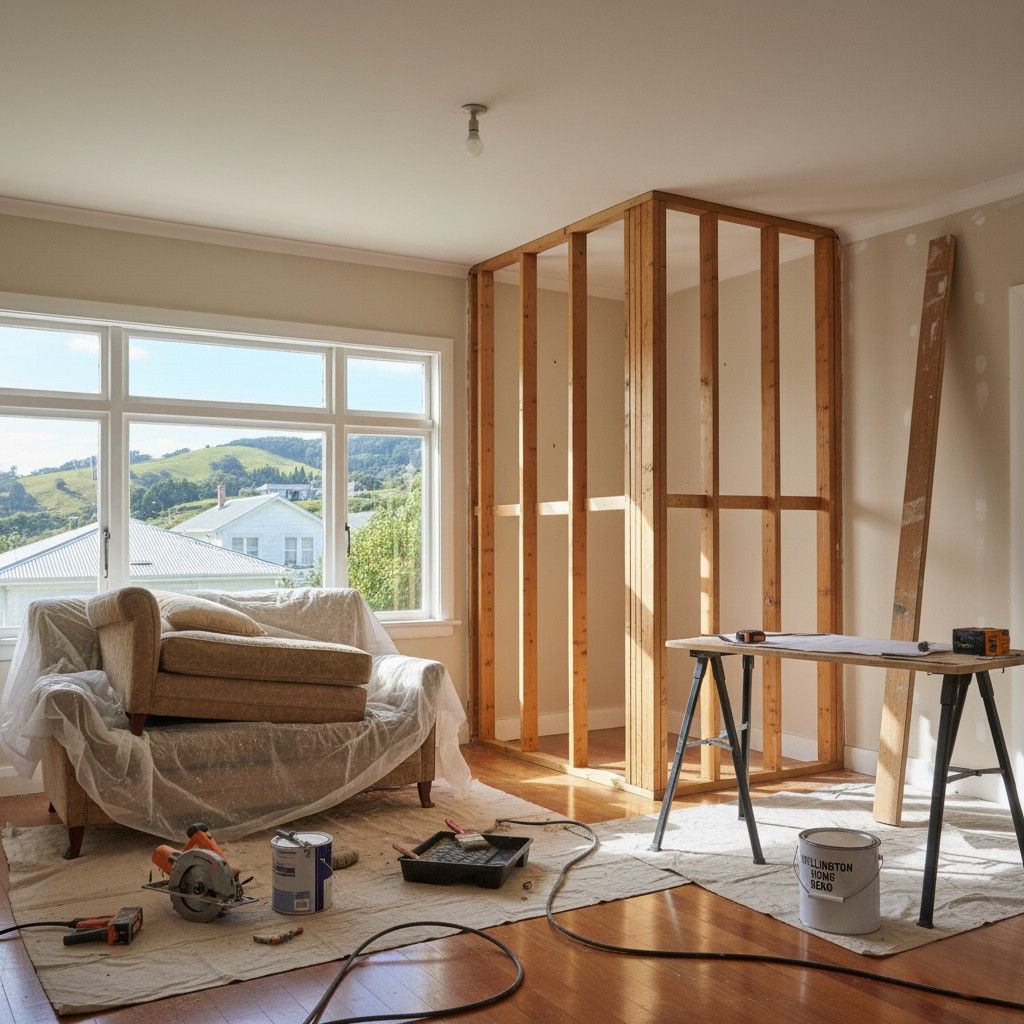
Quick Answer: The Healthy Homes Standards require all New Zealand rental properties to meet minimum requirements for heating, insulation, ventilation, moisture and drainage, and draught stopping. But these standards aren’t just for landlords — they set a practical benchmark for any homeowner wanting a warmer, drier, healthier house. Here’s what the standards actually require, what they cost, and how renovations can bring your home up to scratch.
What’s in This Guide
- What Are the Healthy Homes Standards?
- The 5 Standards Explained
- Compliance Costs: What to Budget
- Why Homeowners Should Care (Not Just Landlords)
- Renovations That Bring Your Home Up to Standard
- Why Choose Clearcut Building Solutions
- Frequently Asked Questions
What Are the Healthy Homes Standards?
The Healthy Homes Standards are a set of minimum requirements introduced under the Residential Tenancies (Healthy Homes Standards) Regulations 2019. They apply to all private rental properties in New Zealand and set enforceable benchmarks across five areas: heating, insulation, ventilation, moisture and drainage, and draught stopping.
For landlords, compliance has been mandatory since 1 July 2025 for all new and renewed tenancies. But the standards also reflect what building scientists and health researchers consider the baseline for a healthy living environment — which is why more and more homeowners are using them as a renovation checklist, even when they’re not legally required to.
Wellington homes are particularly affected. The city’s older housing stock — villas, bungalows, and mid-century weatherboard homes — was built long before modern insulation and ventilation standards existed. Cold, damp homes aren’t just uncomfortable; they contribute to respiratory illness, mould growth, and structural damage over time.
The 5 Healthy Homes Standards Explained
1. Heating Standard
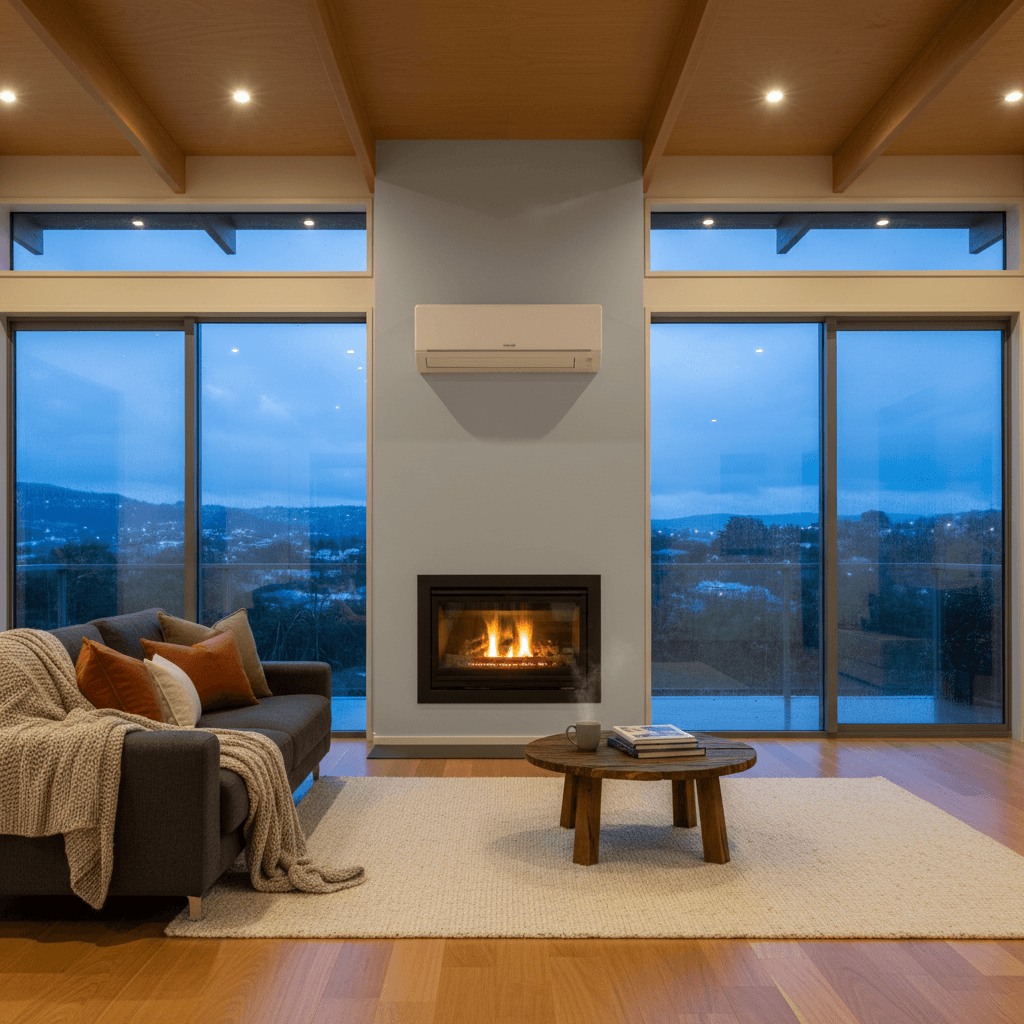
The main living area must have a fixed heater capable of achieving a minimum temperature of 18°C. The heater must be sized appropriately for the room — the government provides a heating assessment tool to calculate the required output in kilowatts.
Acceptable heating sources include heat pumps, wood burners, pellet burners, and fixed electric heaters. Unflued gas heaters are not acceptable — they produce moisture and combustion gases that make indoor air quality worse.
| Heating Type | Compliant? | Notes |
|---|---|---|
| Heat pump | Yes | Most efficient option, must be correctly sized |
| Wood burner | Yes | Must meet NES emission standards |
| Fixed electric panel heater | Yes | Must be correctly sized for the room |
| Unflued gas heater | No | Produces moisture and harmful gases |
| Portable electric heater | No | Must be a fixed heating source |
2. Insulation Standard
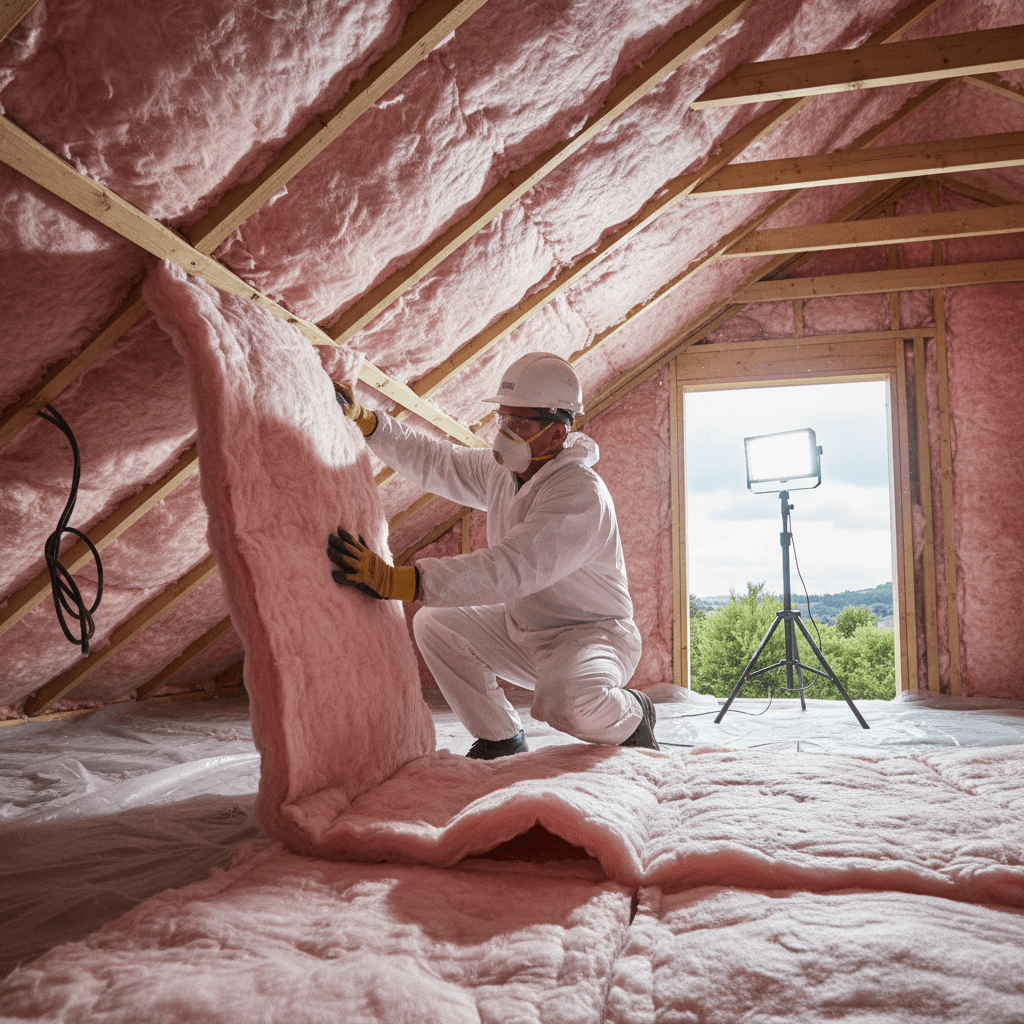
Ceiling and underfloor insulation must either meet the 2008 Building Code requirements or have a minimum R-value based on the climate zone:
| Area | Minimum R-Value (Zone 2 — Wellington) |
|---|---|
| Ceiling insulation | R 2.9 |
| Underfloor insulation | R 1.3 |
Existing insulation that was compliant when it was installed (pre-2008) is generally acceptable if it’s in reasonable condition — not compressed, water damaged, or degraded. However, many Wellington homes have insulation that’s 30+ years old and no longer performing effectively.
Wall insulation is not currently required under the Healthy Homes Standards, but it makes a significant difference to thermal performance. If you’re already opening up walls for a renovation, it’s worth adding insulation at the same time.
3. Ventilation Standard
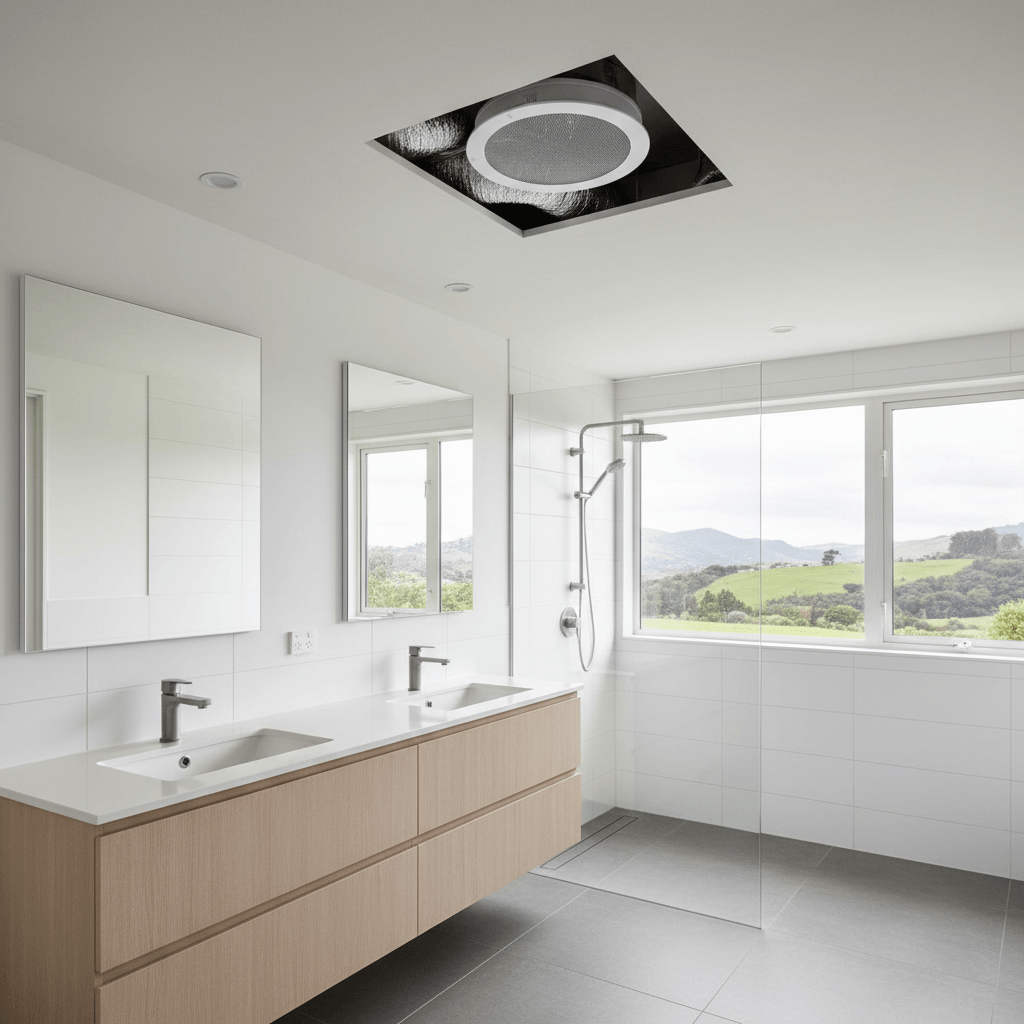
All habitable rooms must have ventilation openings (windows or doors) with an area equal to at least 5% of the floor area. Kitchens and bathrooms need an extract fan that vents to the outside — recirculating rangehood fans don’t count.
In Wellington, where wind-driven rain is common, homeowners often keep windows closed for months at a time. This traps moisture inside and creates the conditions for mould and condensation. A properly designed ventilation system — whether mechanical ventilation, an HRV-style system, or simply well-placed extract fans — keeps air moving without letting the weather in.
4. Moisture and Drainage Standard
The property must have efficient drainage to remove stormwater, surface water, and ground water. The subfloor must have a ground moisture barrier if the subfloor space is enclosed. Gutters, downpipes, and drains must be functional and maintained.
For Wellington homes, this is often the most expensive standard to address. Hillside properties can have significant drainage issues, and older homes may have original clay pipes that have cracked or collapsed. Subfloor moisture barriers (polythene sheeting over exposed ground) are relatively inexpensive but can be labour-intensive to install in tight crawl spaces.
5. Draught Stopping Standard
All unused open fireplaces must be blocked. Gaps and holes in walls, ceilings, windows, floors, and doors that cause noticeable draughts must be sealed. This includes:
- Gaps around window and door frames
- Holes where pipes or wiring enter walls
- Gaps in floorboards
- Unused extractor fan holes
- Gaps around skirting boards
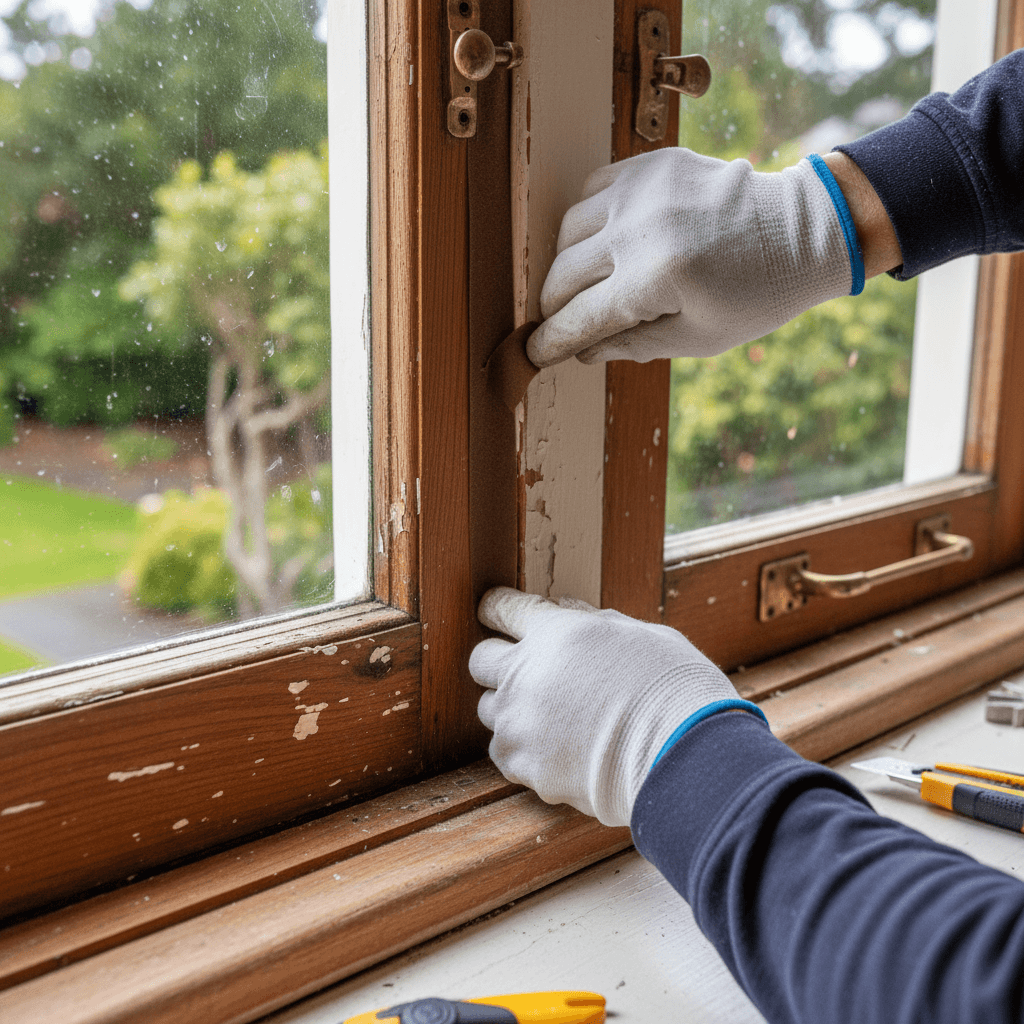
Draught stopping is one of the cheapest improvements you can make. Weatherstripping, gap sealant, and fireplace dampers are all low-cost materials — but they can make a measurable difference to how warm your home feels.
Compliance Costs: What to Budget
The cost of bringing a home up to Healthy Homes Standards varies widely depending on the property’s current condition. Here are typical ranges for Wellington properties:
| Standard | Typical Cost Range | Notes |
|---|---|---|
| Heating (heat pump install) | $2,500 – $5,000 | Depends on room size and unit capacity |
| Ceiling insulation | $2,000 – $5,000 | Depends on roof access and area |
| Underfloor insulation | $2,000 – $4,000 | Harder in tight subfloor spaces |
| Ventilation (extract fans) | $300 – $1,500 | Per fan installed and ducted outside |
| Drainage improvements | $1,000 – $10,000+ | Major drainage work on hillside sites costs more |
| Draught stopping | $200 – $1,000 | Often DIY-friendly for minor gaps |
A full compliance package for a typical 3-bedroom Wellington home that needs work across all five areas might cost $10,000 – $25,000. However, many homes only need attention in one or two areas.
Why Homeowners Should Care (Not Just Landlords)
Even if you’re not a landlord, the Healthy Homes Standards provide a useful framework. A home that meets these benchmarks will be:
- Warmer — proper insulation and heating keeps indoor temperatures above 18°C, which the WHO recommends as a minimum for health
- Drier — good ventilation and drainage prevent the condensation that leads to mould
- Cheaper to run — insulated, draught-stopped homes use significantly less energy for heating
- Worth more — buyers and valuers increasingly look at thermal performance and healthy home compliance
- Healthier — studies consistently link cold, damp housing to asthma, respiratory infections, and cardiovascular problems
For Wellington homeowners planning a renovation, it makes sense to address these fundamentals at the same time. Opening up walls for a kitchen renovation? Add insulation. Replacing a bathroom? Install a proper extract fan. Recladding? Wrap the entire house in modern insulation while the cladding is off.
Renovations That Bring Your Home Up to Standard
Most of the work required to meet Healthy Homes Standards aligns naturally with common renovation projects:
Bathroom Renovations
A bathroom renovation is the ideal time to install a compliant extract fan, improve waterproofing, and address any moisture-related damage behind walls. Old bathrooms are often the primary source of indoor moisture problems.
Kitchen Renovations
Kitchens produce significant moisture from cooking. A proper rangehood ducted to the exterior (not a recirculating type) handles the ventilation requirement. A kitchen renovation also provides access to wall cavities for insulation upgrades.
Recladding
Recladding a house gives you full access to the wall framing — the single best opportunity to retrofit wall insulation across the entire building envelope. Combined with new flashing, building wrap, and modern cladding, recladding can transform a cold, leaky house into a warm, dry one.
Full Home Renovations
A comprehensive home renovation in Wellington can address all five Healthy Homes Standards in a single project. This is the most cost-effective approach because many of the improvements share the same access requirements — you don’t want to open up walls twice.
New Builds and Extensions
New builds and extensions must meet the current Building Code, which exceeds the Healthy Homes Standards in most areas. If you’re building new, you’ll automatically meet or exceed these requirements.
Why Choose Clearcut Building Solutions
As NZ Certified Builders based in Porirua, we work across the Wellington region on renovations, recladding, and new builds. We regularly help homeowners upgrade their properties to meet and exceed Healthy Homes Standards — whether that’s a standalone insulation and ventilation project or part of a larger renovation.
- Wellington specialists — we understand the specific challenges of Wellington’s housing stock, weather, and hillside sites
- Full-service builder — from structural work to finishing, we handle the entire project in-house
- 10-year Halo guarantee — all our residential work is backed by an independent guarantee
- Practical advice — we’ll tell you what genuinely needs doing and what doesn’t, based on your property’s condition
Frequently Asked Questions
Do Healthy Homes Standards apply to owner-occupied homes?
No — the standards are legally enforceable only for rental properties. However, the requirements reflect minimum benchmarks for a healthy living environment, so many homeowners choose to meet them voluntarily.
How much does a Healthy Homes assessment cost?
A professional Healthy Homes assessment typically costs between $250 and $500. The assessor inspects your property against all five standards and provides a report identifying what’s compliant and what needs attention.
Can I do Healthy Homes improvements myself?
Some improvements like draught stopping and basic ceiling insulation can be DIY projects. However, heating installation, electrical work (extract fans), and drainage improvements should be done by qualified tradespeople. Subfloor insulation can also be dangerous to install in confined spaces.
What happens if a rental property doesn’t comply?
Tenants can apply to the Tenancy Tribunal, which can issue compliance orders and award penalties of up to $7,200. From July 2025, all tenancies (new, renewed, and existing) must comply.
Is wall insulation required under the Healthy Homes Standards?
No — only ceiling and underfloor insulation are required. However, wall insulation makes a significant difference to thermal comfort and is worth adding if walls are being opened for any other reason during a renovation.
How long do Healthy Homes improvements take?
Simple improvements like draught stopping and extract fan installation can be done in a day. Full insulation retrofits typically take 2–5 days depending on access. If the work is part of a larger renovation, it’s integrated into the project timeline.