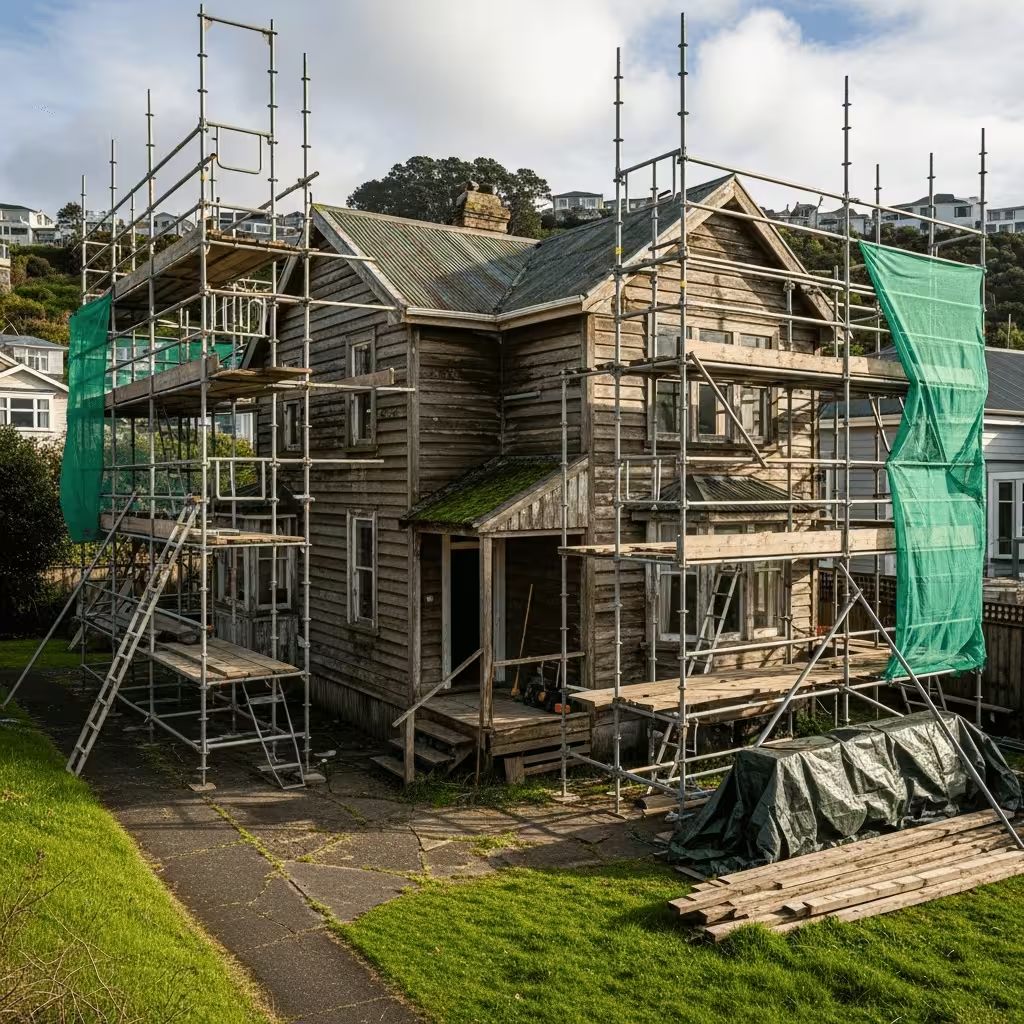
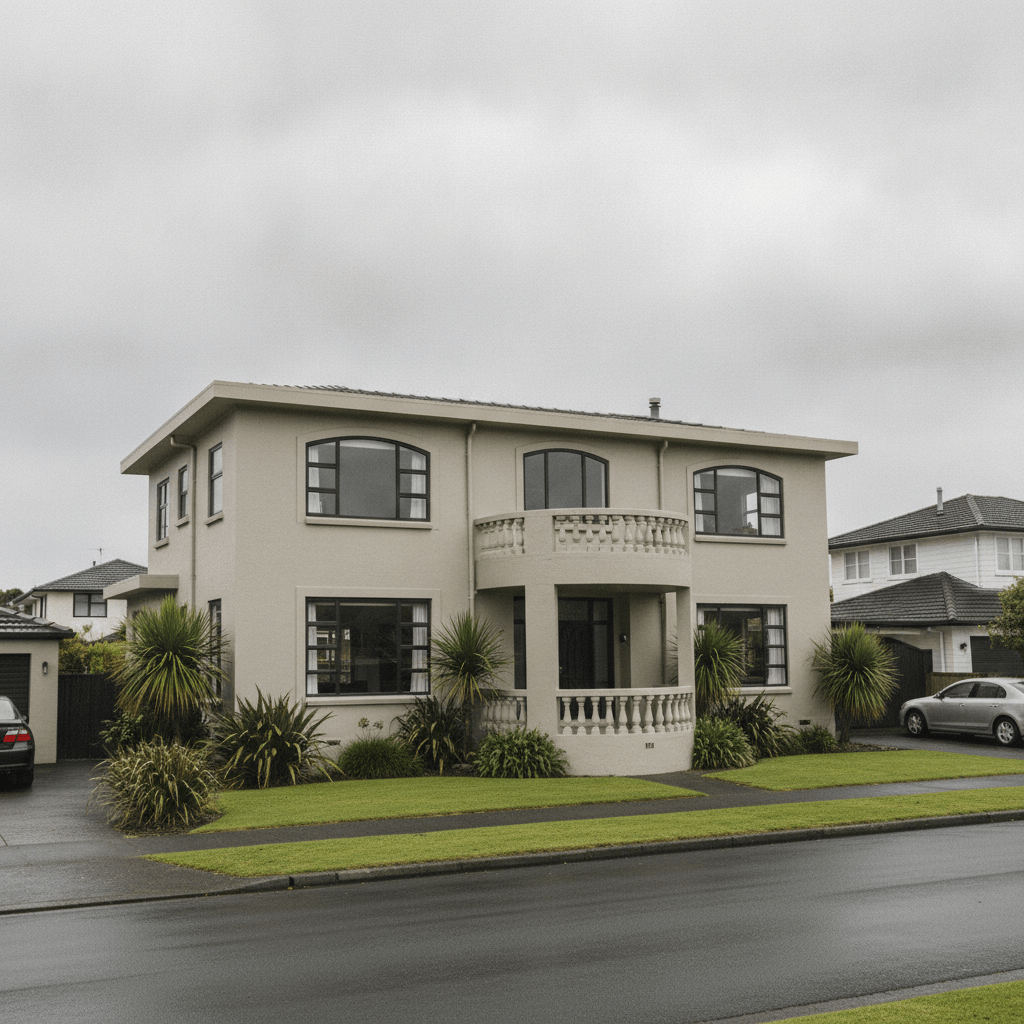
Quick Answer: Monolithic cladding is a rigid, plaster-based exterior finish common on New Zealand homes built between 1995 and 2005. When installed without a proper drainage cavity, monolithic cladding traps moisture inside wall framing – leading to rot, mould, and structural damage. If your plaster-clad home is showing cracks, bubbling, or a musty smell, it may be time to reclad.
What’s in This Guide
- What Is Monolithic Cladding?
- Why Monolithic Cladding Fails
- Signs Your Monolithic Home Needs Recladding
- Monolithic Cladding Recladding Options
- How Much Does It Cost to Reclad a Monolithic House?
- The Recladding Process
- Do You Need Building Consent?
- Why Choose Clearcut Building Solutions
- FAQs
What Is Monolithic Cladding?
Monolithic cladding refers to exterior wall systems that present a seamless, jointless finish – typically a rigid plaster or textured coating applied over a sheet substrate. In New Zealand, monolithic cladding became hugely popular during the building boom of the late 1990s and early 2000s, prized for its clean, Mediterranean-inspired aesthetic.
Common types of monolithic plaster cladding found on NZ homes include:
- Harditex – fibre cement sheet with a plaster finish, one of the most widespread monolithic cladding systems in NZ
- Insulclad – polystyrene-backed panels coated with a textured render
- Rockcote – an exterior plastering system applied over various substrates
- Stucco and plaster renders – traditional cement-based coatings applied directly to mesh or board
The defining feature of monolithic cladding is the absence of visible joints, flashings, or laps between panels. While this creates a sleek look, it also means there are fewer paths for trapped moisture to escape – a design flaw that became central to New Zealand’s leaky building crisis.
Most monolithic-clad homes were built between 1995 and 2005, during an era when building standards allowed direct-fixed cladding – meaning the plaster system was attached directly to the timber framing with no ventilated cavity behind it. Without this cavity, any water that penetrated the outer shell had nowhere to drain or dry.
Why Monolithic Cladding Fails
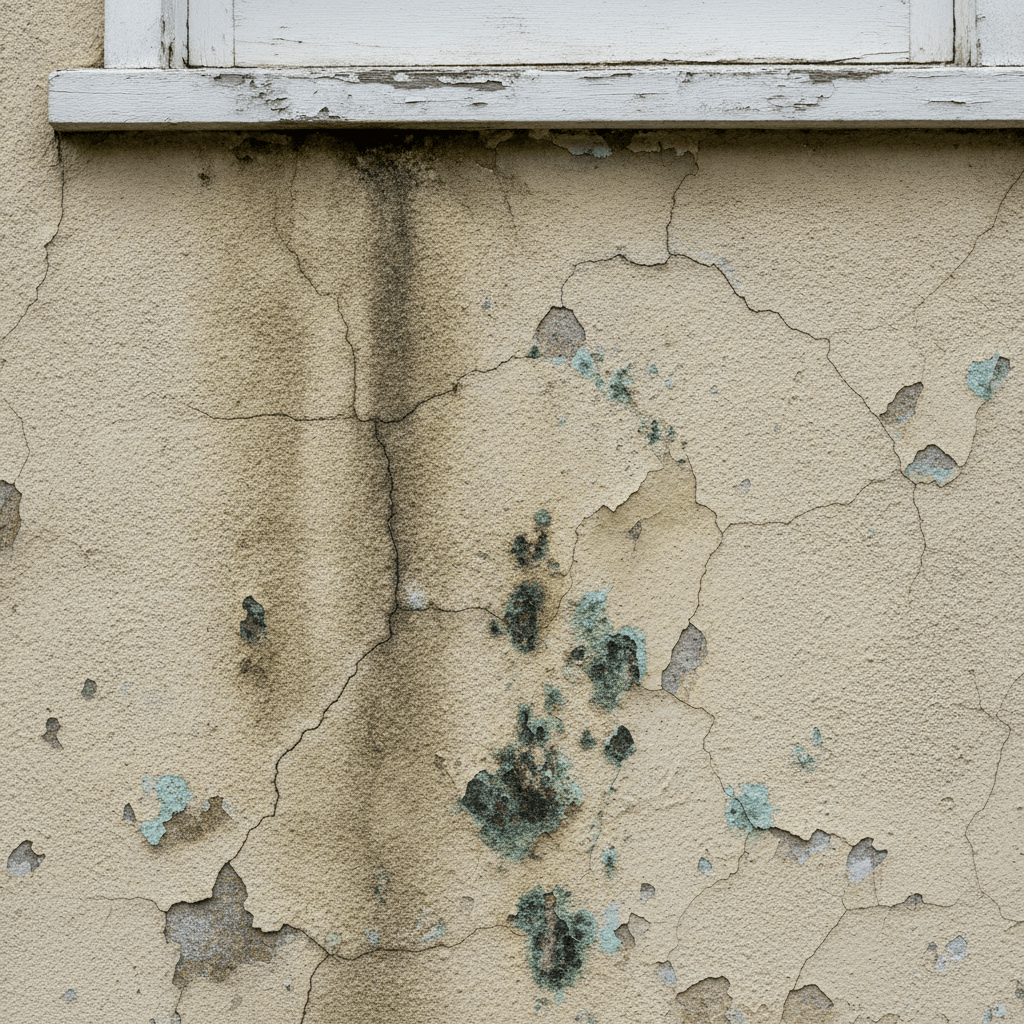
Monolithic cladding issues stem from a fundamental design problem: the system was built to keep water out, but offered no backup plan for when water inevitably got in.
During the late 1990s and early 2000s, a combination of factors created what became known as New Zealand’s leaky building crisis. An estimated 42,000 homes were affected, and monolithic cladding was at the centre of it. Here’s why these systems fail:
No Drainage Cavity
Direct-fixed monolithic cladding sits tight against the timber framing. When moisture penetrates through cracks, failed sealant joints, or poorly detailed window and door openings, it has no way to drain away. Instead, it soaks into the framing and remains trapped between the cladding and the building wrap.
Monolithic Cladding Cracks
Plaster-based systems are rigid and brittle. As timber framing naturally moves with temperature and humidity changes, small cracks develop in the cladding surface. These monolithic cladding cracks may look cosmetic, but each one is a potential entry point for water. Over time, even hairline fractures can channel significant moisture into the wall cavity.
Poor Detailing Around Penetrations
Windows, doors, pipes, and other penetrations are the most vulnerable points on any monolithic-clad home. If flashings were poorly installed, missing, or inadequately sealed – which was common during the boom period – water tracks behind the cladding and directly into the framing.
Flat or Low-Pitch Roof Junctions
Many monolithic homes from this era featured flat-roofed designs with parapets. These junctions between wall and roof are notoriously difficult to waterproof, and failures here can send large volumes of water cascading down inside wall cavities.
The result of these combined factors is timber framing that stays perpetually damp – creating ideal conditions for rot, mould, and even structural failure. In the worst cases, homes that appeared solid from the outside had framing so deteriorated that walls could be pushed through with a hand.
Signs Your Monolithic Home Needs Recladding
Not every monolithic-clad home is a leaky building, but every owner should know the warning signs. If your home was built between 1995 and 2005 with plaster cladding in NZ, watch for these red flags:
- Visible cracks in the plaster – especially around windows, doors, and corners. Even hairline cracks can allow moisture ingress.
- Bubbling or flaking paint – moisture trapped behind the cladding pushes outward, causing the surface coating to blister and peel.
- Musty or damp smell indoors – a persistent musty odour, particularly in rooms against exterior walls, often indicates hidden moisture and mould growth within the wall cavity.
- Swollen or warped skirting boards and window frames – internal timber elements absorb moisture from the wet framing behind, causing them to swell and distort.
- Mould on interior walls or ceilings – black or green spots appearing on surfaces near exterior walls suggest moisture is travelling through the wall assembly.
- Staining or discolouration on exterior walls – dark streaks or green algae growth, especially below window sills and at junctions, indicate water isn’t draining properly.
- Soft or spongy areas when you press on the cladding – this is a serious sign that the substrate or framing behind has deteriorated.
- Window or door frames pulling away from the wall – as framing rots, it loses its structural grip, and openings begin to shift.
If you spot two or more of these signs, it’s worth getting a professional assessment. A non-invasive moisture test can confirm whether water is present behind the cladding without causing unnecessary damage.
Monolithic Cladding Recladding Options
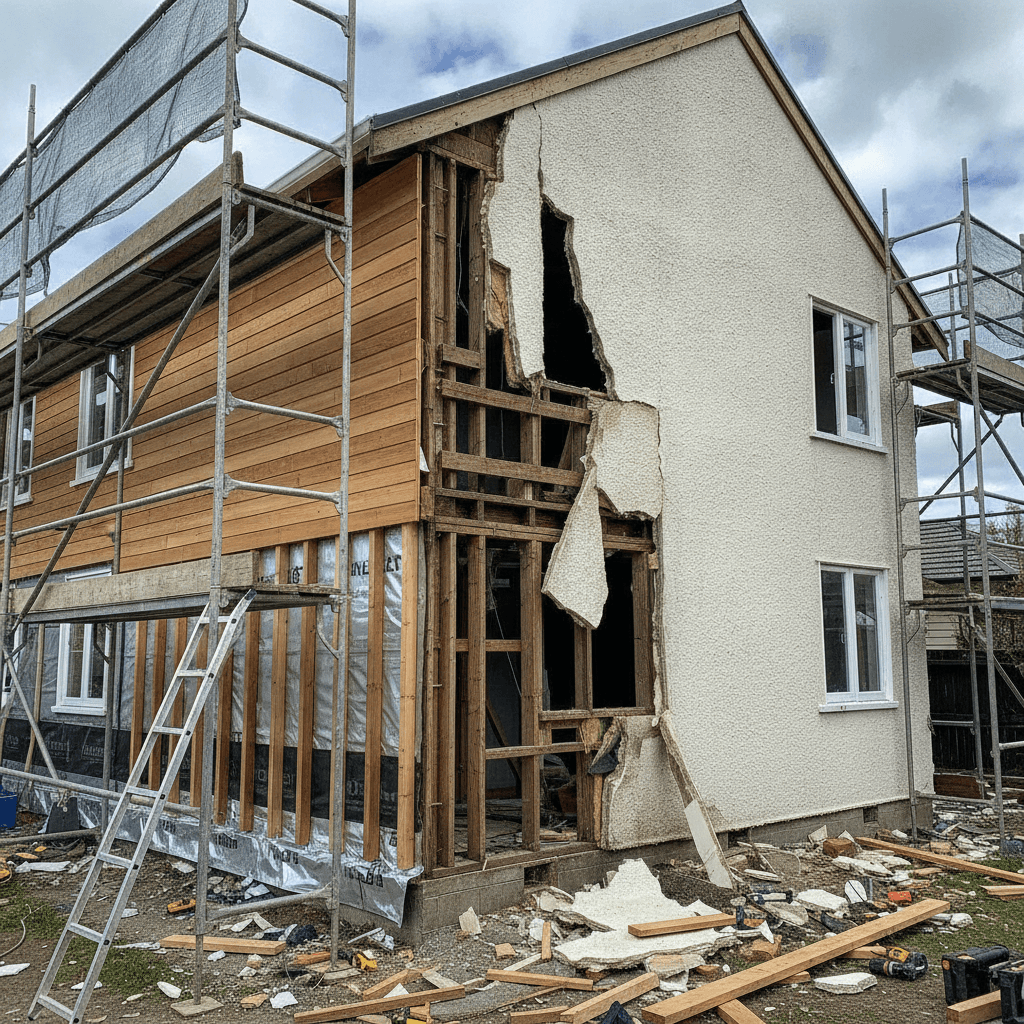
If your monolithic cladding has failed, the most common approach is a full reclad – stripping the existing plaster system back to the framing, remediating any damage, and installing a new cladding system with a proper drainage cavity. Here are the main replacing monolithic cladding options available:
Weatherboard (Timber or Composite)
Timber weatherboards are a proven performer in New Zealand’s climate and suit a wide range of architectural styles. Modern composite options like Envira and Palliside offer similar aesthetics with lower maintenance. Weatherboard is naturally ventilated when installed over cavity battens, making it an excellent replacement for failed monolithic systems.
Fibre Cement (e.g., Linea, Axon)
James Hardie’s fibre cement range is popular for recladding projects. Products like Linea (horizontal boards) and Axon (vertical panels) are durable, low-maintenance, and come pre-primed. They install over a cavity system and handle Wellington’s wind-driven rain well.
Brick Veneer
Brick veneer provides excellent weather protection and requires minimal maintenance over its lifespan. It’s heavier than other options, so foundations and framing need to be assessed for additional load. It’s a strong choice for homeowners who want a durable, low-maintenance finish.
Modern Plaster with Cavity
If you prefer the monolithic look, modern plaster systems can be reinstalled – but this time over a proper drained and ventilated cavity. Products like Rockcote’s cavity-based systems meet current Building Code requirements and address the original design flaws. This option costs more than other cladding types but preserves the original aesthetic.
| Cladding Option | Cost per m² | Durability | Maintenance | Best For |
|---|---|---|---|---|
| Timber Weatherboard | $150–$250 | 30–50 years | Repaint every 8–12 years | Character homes, villas |
| Fibre Cement | $180–$280 | 40–60 years | Repaint every 12–15 years | Modern homes, low upkeep |
| Brick Veneer | $250–$400 | 50+ years | Minimal – occasional repointing | Maximum durability |
| Modern Plaster (with cavity) | $280–$450 | 30–50 years | Inspect seals every 5 years | Keeping the plaster aesthetic |
How Much Does It Cost to Reclad a Monolithic House?
The cost to reclad a monolithic house depends on the size of your home, the extent of framing damage, and which replacement cladding you choose. Below are industry-average cost ranges for a full strip-and-reclad project in New Zealand.
| House Size | Estimated Cost Range | Typical Timeline |
|---|---|---|
| Small (80–120 m²) | $100,000–$180,000 | 8–14 weeks |
| Medium (120–200 m²) | $180,000–$300,000 | 12–20 weeks |
| Large (200–300 m²) | $300,000–$500,000+ | 16–30 weeks |
Note: These are industry-average figures based on typical New Zealand recladding projects. Actual costs vary significantly depending on the extent of hidden damage, site access, chosen materials, and council requirements. For an accurate estimate, a thorough on-site assessment is essential.
Key factors that push costs higher include:
- Extent of framing damage – if rot has spread through bearers, joists, or structural walls, remediation costs escalate quickly.
- Asbestos removal – some older monolithic systems contain asbestos-based components that require specialist removal.
- Multi-storey homes – scaffolding costs and the complexity of upper-level work increase the total price.
- Window and door replacement – failed flashings often mean windows need replacing alongside the cladding.
For a more detailed breakdown of recladding costs across different scenarios, see our guide to recladding costs in NZ.
The Recladding Process
Replacing monolithic cladding is a significant building project. Here’s what monolithic cladding maintenance – or more accurately, full remediation – typically involves from start to finish:
1. Assessment and Invasive Testing
A qualified assessor takes moisture readings at multiple points around the home and may perform invasive testing – cutting small inspection holes to visually inspect the condition of framing, building wrap, and insulation behind the cladding.
2. Scope of Works and Building Consent
Based on the assessment, a detailed scope of works is prepared. Because recladding changes the building envelope, a building consent is almost always required. Your builder will prepare drawings and specifications for council submission.
3. Strip Existing Cladding
The old monolithic cladding is carefully removed, exposing the timber framing and building wrap beneath. This is when the true extent of damage becomes visible – and it’s common to discover more issues than the initial assessment predicted.
4. Framing Remediation
Damaged timber is cut out and replaced. In severe cases, entire wall frames, bottom plates, or structural elements may need rebuilding. All framing is treated and a council-approved building wrap is installed.
5. Install Cavity System and New Cladding
Cavity battens are fixed over the building wrap, creating the ventilated drainage gap that the original construction lacked. New cladding – whether weatherboard, fibre cement, brick, or modern plaster – is then installed over this cavity system. Proper flashings and sealants are fitted around all penetrations.
6. Finishing and Sign-Off
Windows and doors are reinstated or replaced, exterior painting is completed, and landscaping is restored. Council inspections verify the work meets Building Code requirements, and a Code Compliance Certificate (CCC) is issued.
Do You Need Building Consent?
In almost every case, yes. Recladding a monolithic home involves changing the building envelope, which is classified as building work requiring consent under the Building Act 2004. This applies whether you’re replacing like-for-like or switching to a different cladding system.
The consent process ensures the new cladding system meets current E2 (External Moisture) requirements, including proper cavity design, flashing details, and drainage. While the consent process adds time and cost, it also provides legal protection – your recladding work will be backed by a Code Compliance Certificate.
For a full walkthrough of the consent process, including timelines and what documentation you’ll need, read our Wellington recladding consent guide.
Why Choose Clearcut Building Solutions
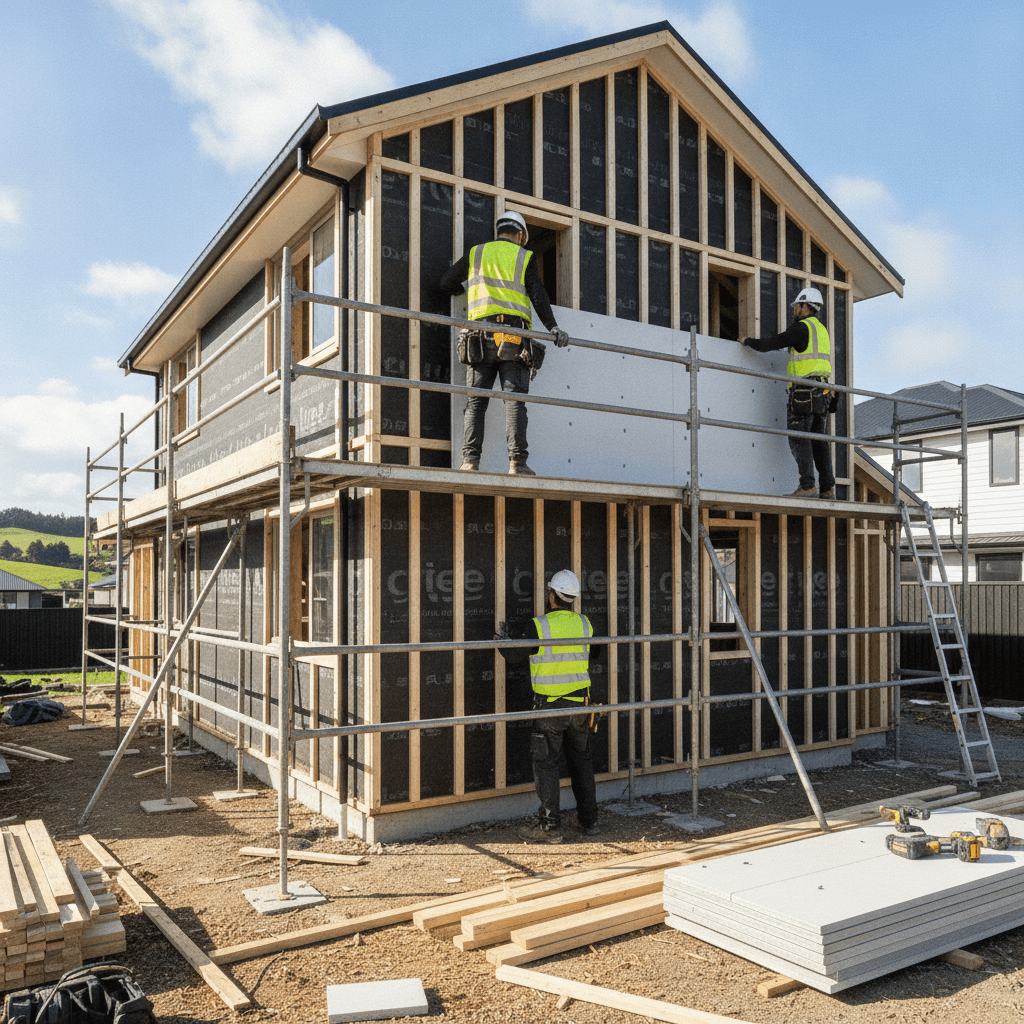
Clearcut Building Solutions is a Wellington-based building company with hands-on experience in monolithic cladding remediation. Our team has stripped and reclad homes across the Wellington region – from Porirua to Lower Hutt – and we understand the specific challenges these projects present.
- Licensed Building Practitioners (LBPs) – our builders are licensed and qualified for restricted building work, which recladding falls under.
- Halo 10-Year Guarantee – all our recladding work is backed by the Halo residential building guarantee, giving you independent protection.
- Full project management – we handle everything from initial assessment through council consent, construction, and final sign-off.
- Transparent pricing – we provide detailed, itemised quotes so you understand exactly what’s included before work begins.
Our recladding work in Wellington covers full strip-and-reclad projects, partial recladding, and weathertightness remediation. Whether your home needs a complete cladding replacement or targeted repairs, we’ll assess the situation honestly and recommend the right approach.
Frequently Asked Questions
What is monolithic cladding made of?
Monolithic cladding typically consists of a rigid sheet substrate (such as fibre cement or polystyrene) coated with a textured plaster or render finish. Common brands in NZ include Harditex, Insulclad, and Rockcote. The system creates a seamless exterior without visible joints or laps.
How do I know if my house has monolithic cladding?
Look for a smooth, seamless plaster finish with no visible boards, laps, or joints. If your home was built between 1995 and 2005 and has flat, rendered exterior walls – often with a Mediterranean or modern architectural style – it likely has monolithic cladding. A builder or assessor can confirm the specific system used.
Is all monolithic cladding a problem?
Not necessarily. Monolithic cladding installed with a proper drainage cavity and correct flashings can perform well. The problems are concentrated in homes where the cladding was direct-fixed (no cavity) and where detailing around windows, doors, and roof junctions was inadequate. A moisture assessment can determine whether your specific installation is at risk.
Can monolithic cladding be repaired instead of replaced?
Minor surface cracks can be patched, but this only addresses the symptom – not the underlying lack of a drainage cavity. If moisture has already entered the framing, patching the outside won’t fix the rot happening inside. For direct-fixed monolithic systems with confirmed moisture issues, a full reclad is the only reliable long-term solution.
How long does a monolithic reclad take?
A typical residential reclad takes 8 to 20 weeks depending on the size of the home and the extent of remediation required. Larger homes, multi-storey buildings, and projects with significant framing damage can take longer. Weather and council inspection availability also affect timelines.
Will recladding increase my home’s value?
Yes, significantly. A monolithic-clad home with known weathertightness issues is heavily discounted in the market – often by $100,000 or more. Completing a full reclad with a Code Compliance Certificate removes this stigma and can increase the property’s value by substantially more than the cost of the work.