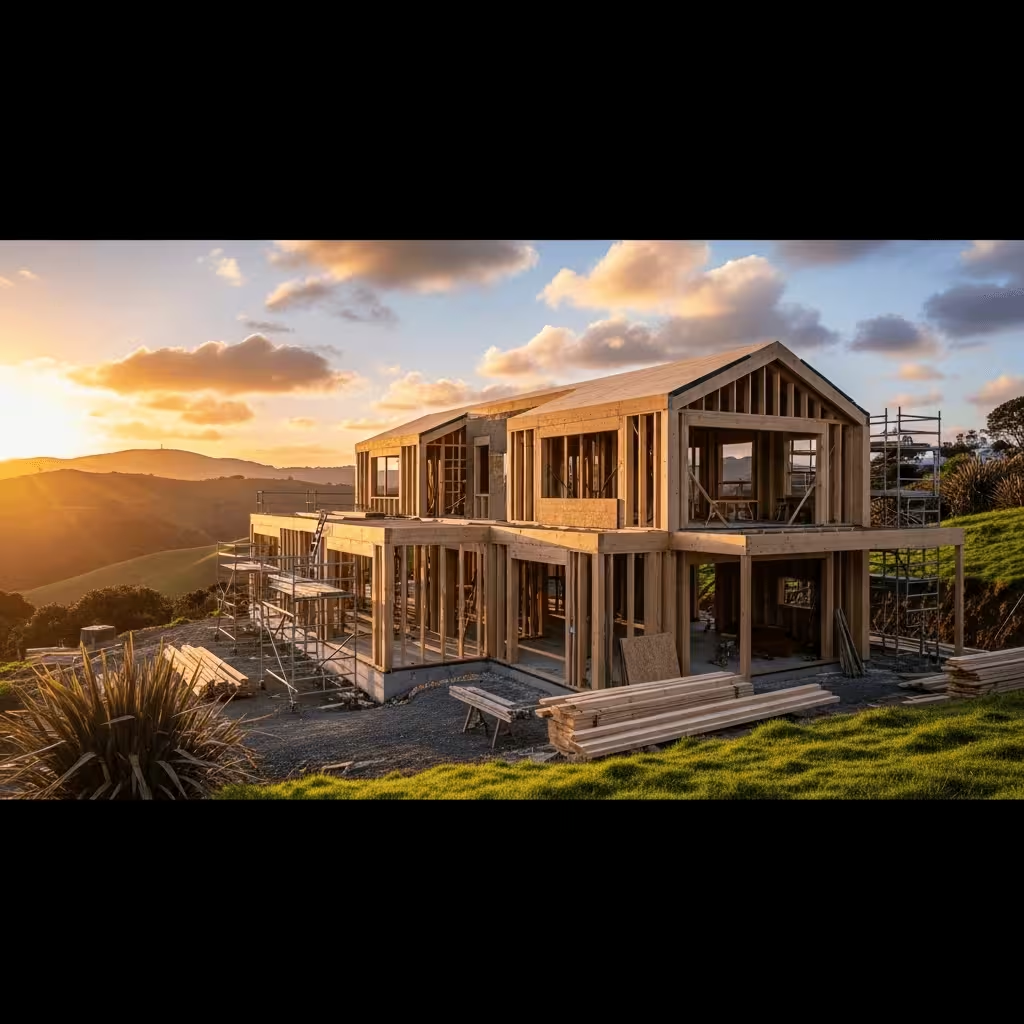
Quick answer: An LBP (Licensed Building Practitioner) is a builder or designer the New Zealand government has assessed as competent to carry out or supervise Restricted Building Work, the structural and weathertight work that keeps your home sound. For most residential building consents, using an LBP is a legal requirement, and it gives you a registered tradesperson who is accountable to a national board.
What’s in This Guide
- What an LBP actually is
- The LBP licence classes
- Restricted Building Work: when you legally need an LBP
- The LBP Code of Ethics: what it guarantees you
- LBP vs an unlicensed builder
- Why choose Clearcut in Wellington
- FAQs
What an LBP actually is
A Licensed Building Practitioner is a builder, designer or trade specialist who has been assessed by the New Zealand licensing scheme as competent in a specific area of building work. The scheme exists so homeowners can have confidence that the person building or designing their home meets a national minimum standard of competence, rather than taking that on trust.
Every LBP is:
- Listed on a searchable public register you can check before you hire, so their licence status is verifiable at any time.
- Accountable to the Building Practitioners Board, the body that can investigate complaints and, in serious cases, suspend or cancel a licence.
- Required to keep their skills current through ongoing skills-maintenance activity, so their knowledge tracks changes to the Building Code and construction practice.
The LBP licence classes
“LBP” is not a single qualification. A practitioner is licensed in one or more classes, each covering a different part of a build. That is why it matters to check a builder is licensed in the class relevant to your project.
| Licence class | What it covers |
|---|---|
| Carpentry | The primary structural and timber work on most homes |
| Site | Managing and supervising the overall build on site (Areas of Practice 1–3) |
| Design | Designing Restricted Building Work (Areas of Practice 1–3) |
| Foundations | Constructing footings and foundation systems |
| Roofing | Weathertight roof cladding work |
| External plastering | Exterior plaster cladding systems |
| Bricklaying & blocklaying | Structural masonry work |
Restricted Building Work: when you legally need an LBP
Restricted Building Work (RBW) is the work that is critical to a home being structurally sound and weathertight, including the design of that work. In New Zealand, RBW on a house or small-to-medium apartment building must be carried out or supervised by an LBP licensed in the relevant class.
This is not optional. Carrying out Restricted Building Work without being licensed to do so carries a penalty of up to $50,000. For you as the homeowner, the practical points are:
- If your project needs a building consent, RBW within it almost always has to involve an LBP.
- The LBP must provide a record of work describing the RBW they carried out or supervised, which becomes part of your property’s history.
- Using an unlicensed builder for RBW can put your consent, your insurance and any future sale of the home at risk.
The LBP Code of Ethics: what it guarantees you
Since October 2022, every LBP has been bound by a Code of Ethics, a set of 19 standards grouped under four principles. It is what separates a licensed builder from someone who is simply good with tools: there is an enforceable standard of behaviour behind the licence.
| Principle | What it means for you |
|---|---|
| Work safely | Takes responsibility for health and safety on site and works to reduce environmental harm |
| Act within the law | Complies with building legislation, consents and contracts |
| Take responsibility for their actions | Explains project risks clearly, tells you promptly about delays, and stays accountable for their own work and anything done under their supervision |
| Behave professionally | Prices work fairly and reasonably, manages conflicts of interest, keeps your information confidential, and puts your interests first |
An LBP is also expected to follow your reasonable instructions, unless doing so would be dangerous, unlawful, or contrary to your consent or contract. In short, the Code gives you a documented standard you can hold a builder to.
LBP vs an unlicensed builder
On price alone, an unlicensed builder can look cheaper. Here is what that comparison actually looks like once you factor in risk and recourse.
| Licensed (LBP) | Unlicensed | |
|---|---|---|
| Can legally do Restricted Building Work | Yes | No |
| Listed on the public register | Yes | No |
| Bound by the Code of Ethics | Yes | No |
| Accountable to the Building Practitioners Board | Yes | No |
| Provides a record of work for your consent | Yes | No |
| Formal complaints process if something goes wrong | Yes | Limited |
Why choose Clearcut in Wellington
Clearcut Building Solutions is a Wellington building company led by our director Ben, a Licensed Building Practitioner in Wellington (LBP BP132898, licensed in Carpentry). All structural and weathertight work on your project is carried out and supervised under his licence. When you engage our licensed building team in Wellington, the Restricted Building Work is covered correctly, consented properly, and documented for your records.
What sets us apart
- Genuinely licensed: our LBP status is verifiable on the public register before you commit.
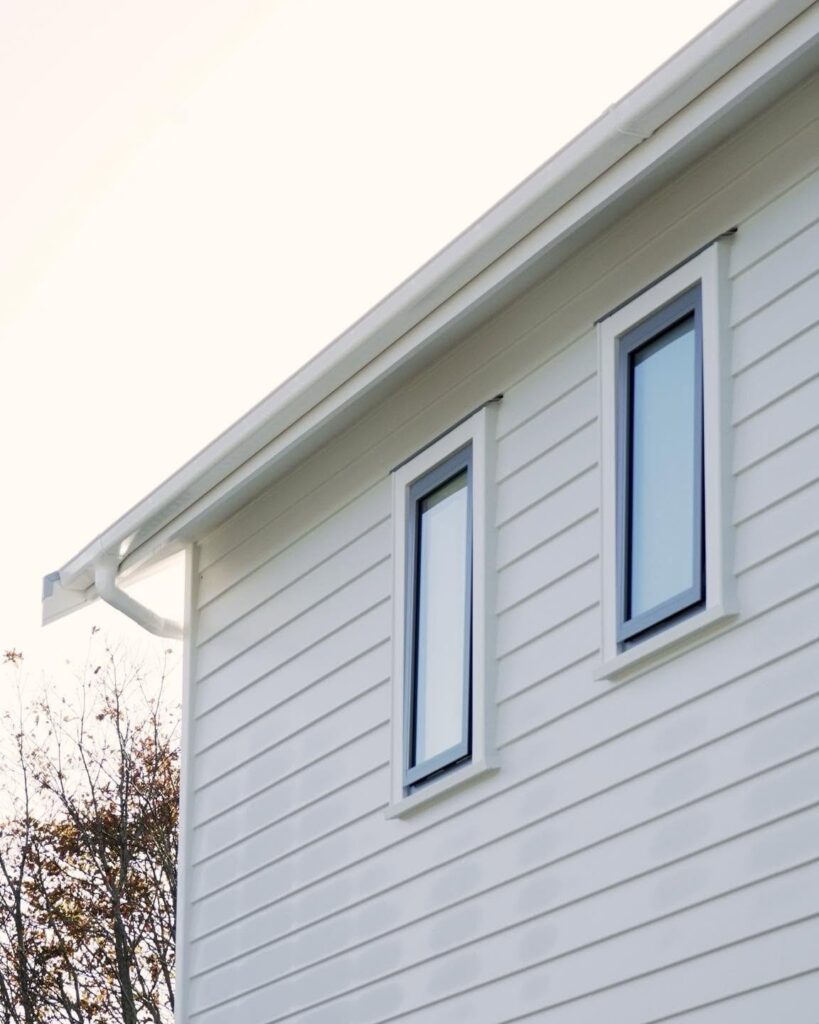
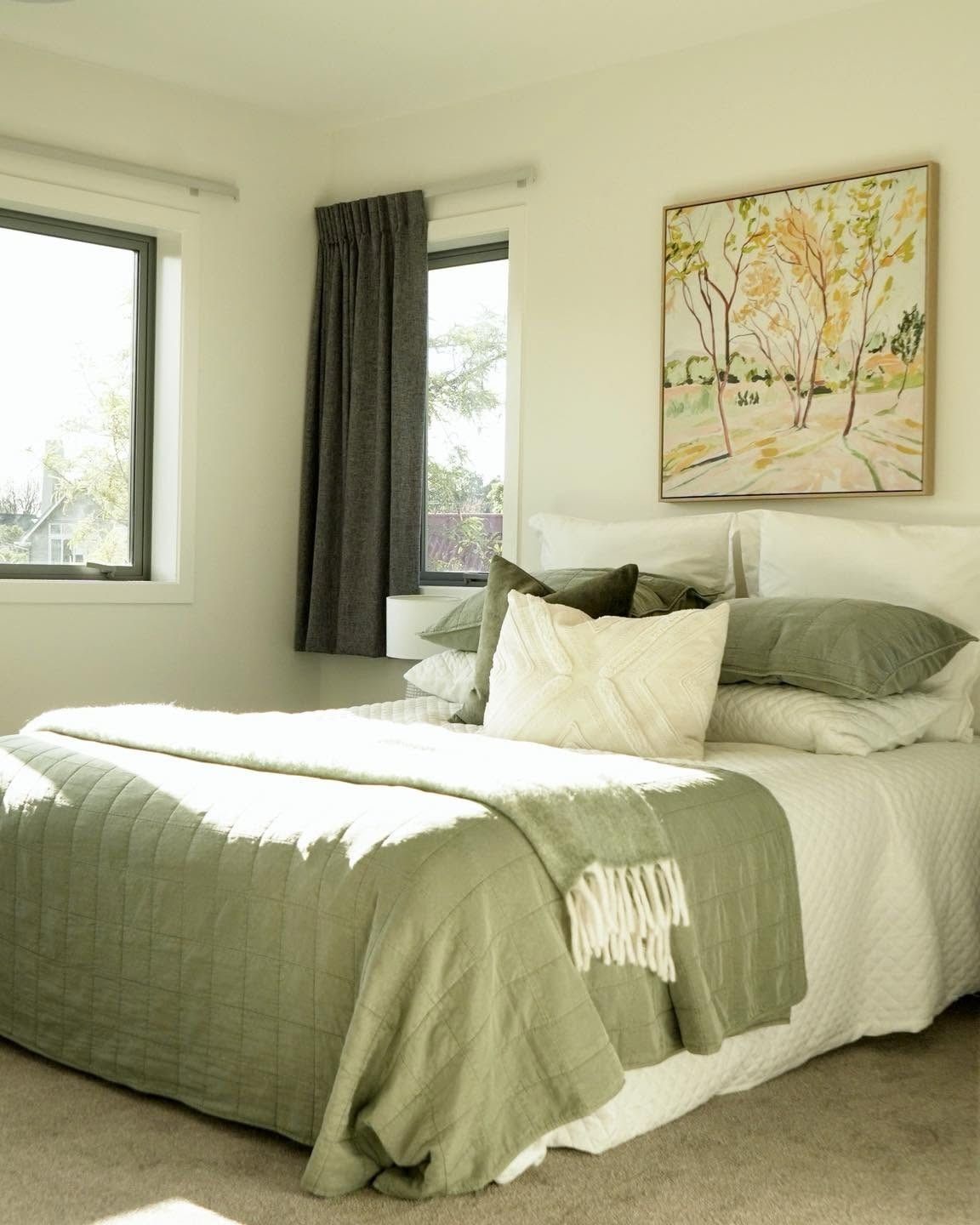
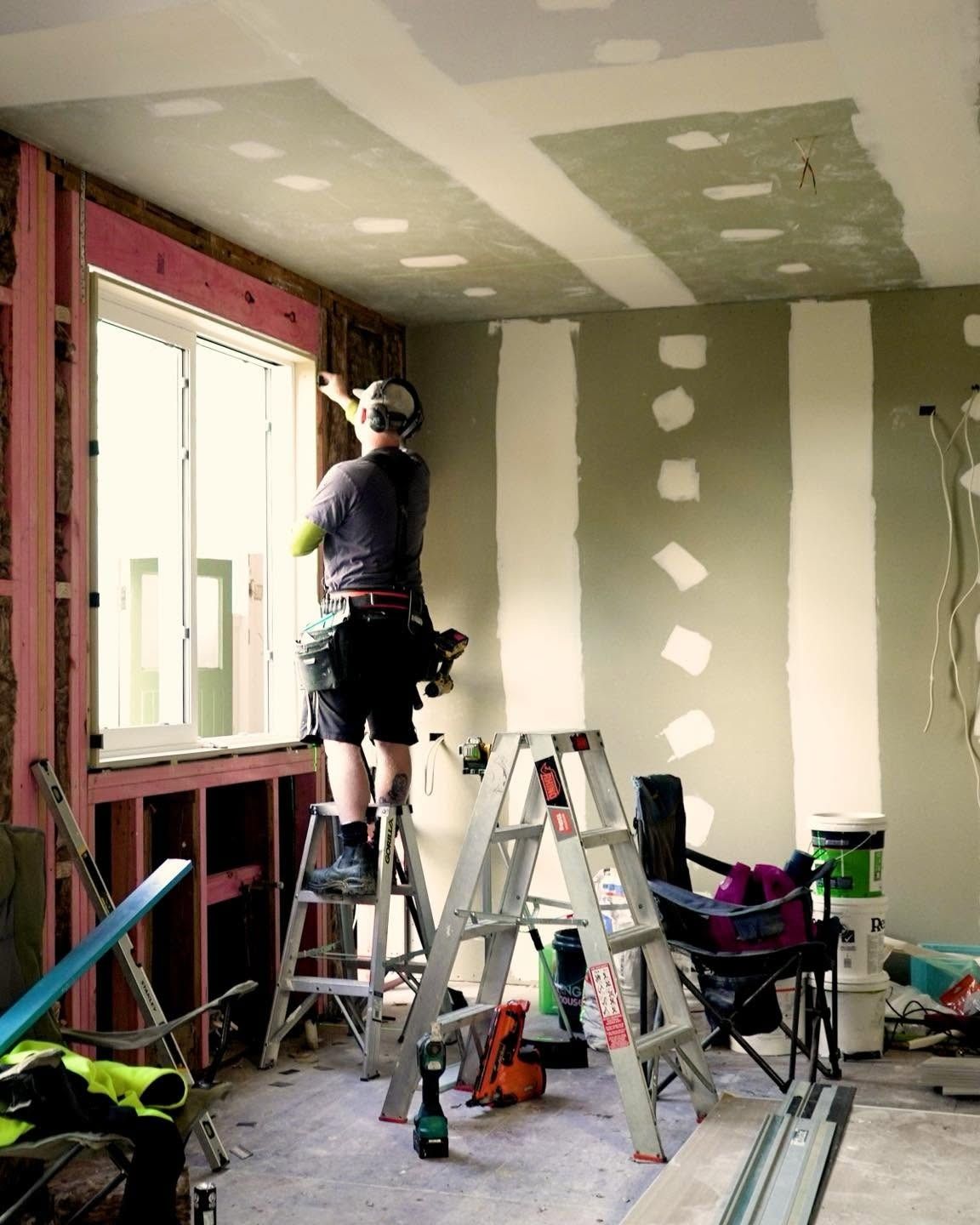
- Local to Wellington: we build to the conditions this region actually throws at a home, wind and weathertightness included. Recent example: a full reclad and extension in Strathmore Park, with new weatherboards, joinery and insulation to bring an older home up to a modern weathertight standard.
- Clear and accountable: you get straight answers on scope, risk and timeline, and a record of work at the end.
Frequently Asked Questions
Do I need an LBP for my renovation?
If your renovation includes Restricted Building Work, the structural or weathertight parts of the home, and it needs a building consent, then yes: that work must be carried out or supervised by an LBP. Straightforward, non-structural cosmetic work generally does not, but if you are unsure, check before you start.
How do I check if a builder is a Licensed Building Practitioner?
Search the LBP public register by name or licence number. It shows their licence class, current status, and any disciplinary history. Ask a builder for their LBP number up front. A genuine LBP will give it to you without hesitation.
What is the difference between an LBP and a “qualified” builder?
A qualification is training. A licence is an assessed, ongoing status backed by a code of ethics and a complaints process. A builder can hold a trade qualification without being a current LBP, which is why the licence, not just the qualification, is what lets them legally carry out Restricted Building Work.
What happens if unconsented Restricted Building Work is done on my home?
It can jeopardise your building consent, complicate insurance claims, and create problems when you sell, because the work may need to be inspected, remediated or consented retrospectively. Using an LBP for RBW from the outset avoids that.
Are Clearcut’s builders LBPs?
Yes. The Restricted Building Work on our Wellington projects is carried out and supervised under the licence of our director Ben (LBP BP132898). You can confirm his current status on the public register any time before you engage us.