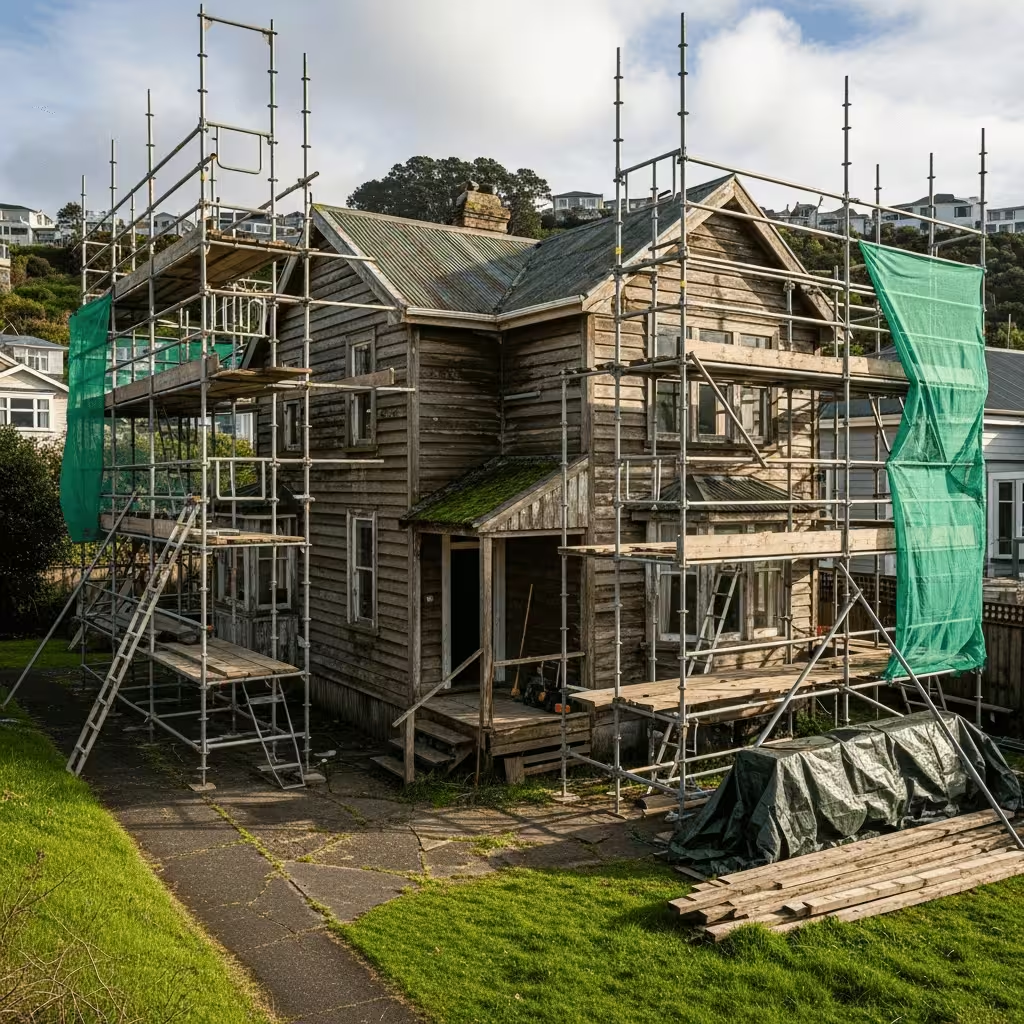
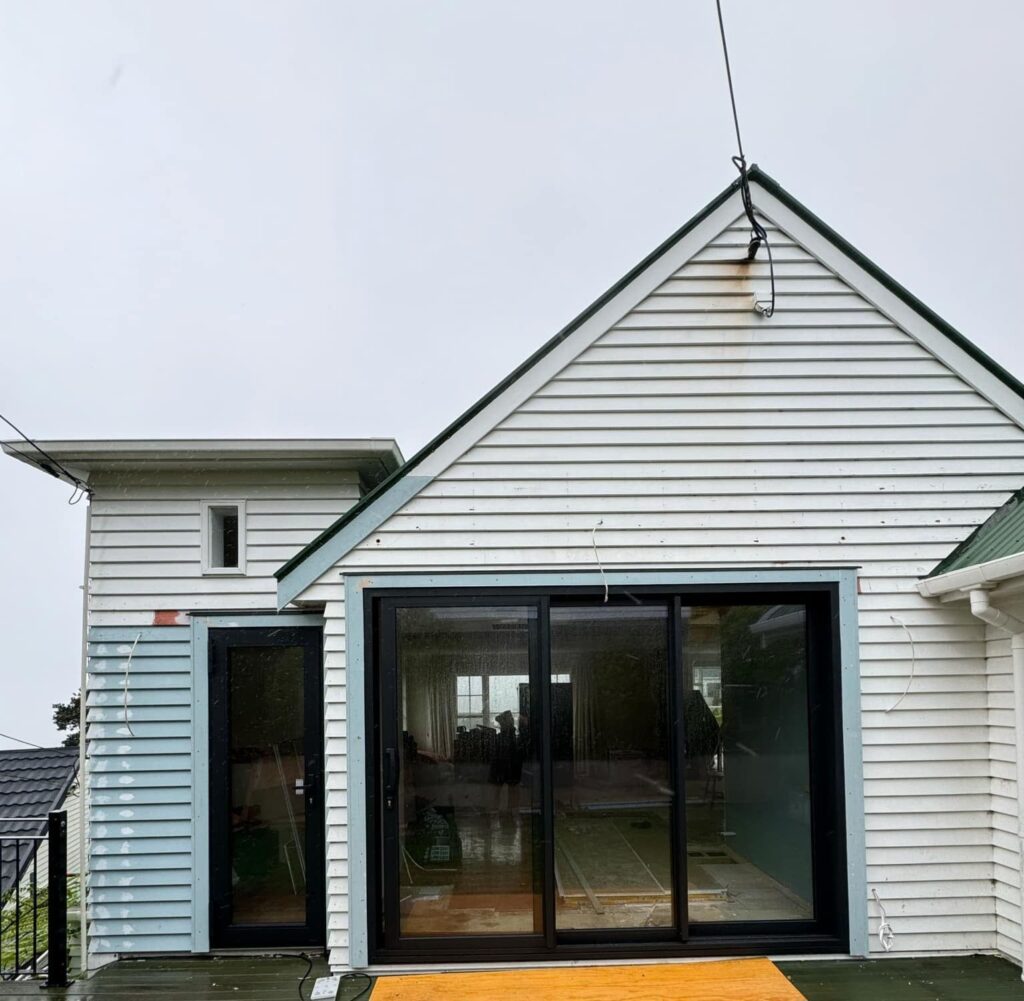
Quick Answer: If your Wellington home has a lapsed building consent, unconsented building work, or cladding that’s reached end of life, recladding may be required to achieve a code compliance certificate or certificate of acceptance from your local council. This guide explains the two compliance pathways, when recladding is part of the solution, and what the process involves under the Building Act 2004.
What’s in This Guide
- When Recladding Is Required for Code Compliance
- Code Compliance Certificate vs Certificate of Acceptance
- Lapsed Building Consents and What They Mean
- The Certificate of Acceptance Process
- Wellington Council Requirements
- Choosing a Builder for Compliance Work
- Why Choose Clearcut Building Solutions
- FAQs
When Recladding Is Required for Code Compliance
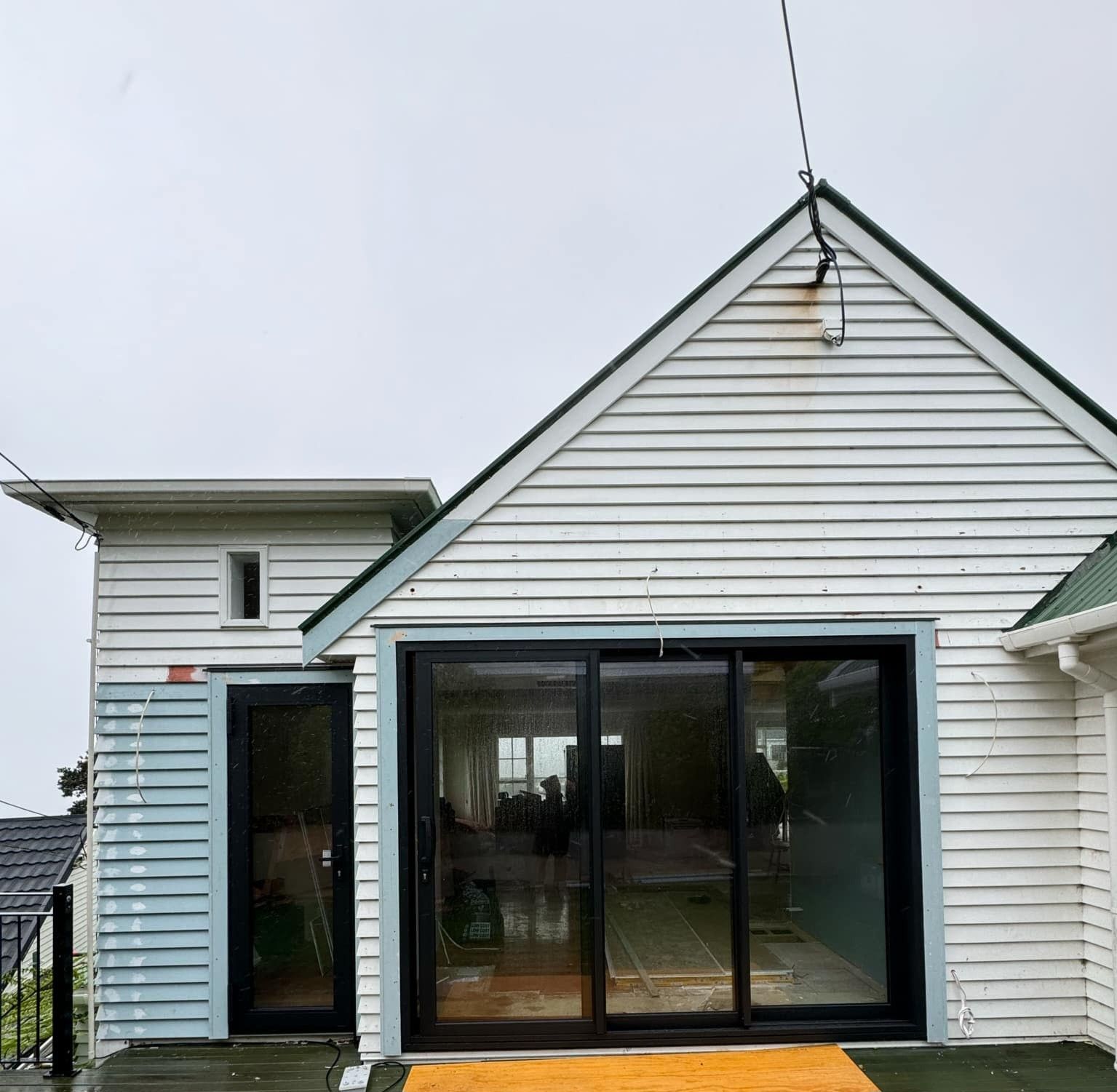
Recladding and code compliance issues often go hand in hand. Several common scenarios lead Wellington homeowners to discover that recladding is part of getting their property compliant.
- Cladding has reached end of life: When the original cladding system is past its serviceable life or out of warranty, it may no longer meet Building Code performance requirements for weathertightness. If this coincides with other compliance issues, full recladding is often the most practical path forward.
- Lapsed building consent: If building work was consented but never completed or signed off, the consent may have lapsed. Resolving the outstanding compliance issues often requires addressing the cladding, particularly if it was part of the original scope or has deteriorated since.
- Unconsented building work: Additions, alterations, or modifications done without building consent create compliance gaps. When a homeowner needs to regularise this work through a certificate of acceptance, the cladding system is one of the elements the council will assess.
- Property sale or refinancing: Buyers and lenders increasingly require evidence of code compliance. A property with outstanding compliance issues, including failing or non-compliant cladding, can be difficult to sell or refinance without remediation.
In many of these situations, recladding is not the only work required. It sits alongside other remedial items identified in a building inspection report, such as moisture damage repair, flashing replacement, or structural remediation.
Code Compliance Certificate vs Certificate of Acceptance
Under the Building Act 2004, there are two pathways to demonstrate that building work meets the New Zealand Building Code. Understanding which one applies to your situation is important, as they involve different processes and provide different levels of assurance.
| Code Compliance Certificate (CCC) | Certificate of Acceptance (COA) | |
|---|---|---|
| Legal basis | Section 95, Building Act 2004 | Sections 96-99, Building Act 2004 |
| When it applies | Work that went through the full consent process with inspections during construction | Work done without consent, or where the council is unable or refuses to issue a CCC |
| Level of assurance | Full assurance that work complies with the building consent and Building Code | Limited assurance based on what can be verified after the fact |
| Inspections | Council inspects at key stages during construction | Council can only inspect what is currently visible, not what is behind walls or under floors |
A CCC is the standard outcome for properly consented and inspected building work. A COA is the fallback for situations where the normal consent process was not followed or cannot be completed. Both are issued by your local territorial authority (council).
For homeowners dealing with old or lapsed consents, the COA pathway is often the relevant one. It provides a formal record that the council has assessed the work, but it comes with limitations because the council cannot verify what was done behind the finished surfaces.
Lapsed Building Consents and What They Mean
A building consent has a limited lifespan. If the consented work is not completed and a code compliance certificate is not applied for within the required timeframe, the consent lapses.
This is more common than many homeowners realise. A consent may have been granted years or even decades ago for an addition, alteration, or recladding project that was either never started, partially completed, or finished without council sign-off.
When a consent lapses:
- The work cannot receive a CCC under the original consent
- The homeowner may need to apply for a certificate of acceptance to regularise the existing work
- Any further building work will require a new building consent
- The council may require remedial work before issuing any compliance documentation
If recladding was part of the original consented scope, or if the existing cladding has deteriorated since the consent lapsed, recladding will typically form part of the remedial work needed to achieve compliance.
The Certificate of Acceptance Process
If you need to regularise unconsented or lapsed-consent work on your Wellington home, the certificate of acceptance process under Sections 96-99 of the Building Act 2004 involves several steps.
What you need to provide
- Application form (Form 8): The standard application for a certificate of acceptance
- Evidence of when work was done: Dated building contracts, payment records, or photographs
- Plans and specifications: Architectural drawings showing the work as built, including before and after layouts where relevant
- Building inspection reports: Reports from council-accredited building inspectors identifying compliance issues and the scope of remedial work required
- Product information: Specifications and certifications for materials used, particularly cladding systems, flashings, and weathertightness components
What the council does
The council has 20 working days to process a certificate of acceptance application. They will inspect the work as it currently stands, assessing what is visible. Because they cannot see behind finished surfaces, their assessment is inherently limited compared to the staged inspections that occur during a consented build.
If the council is satisfied on reasonable grounds, they will issue the certificate of acceptance. If they identify compliance issues, they will issue a notice to fix, outlining the remedial work required before the certificate can be granted.
Where recladding fits in
For properties where the cladding system is a compliance concern, the council’s assessment of weathertightness performance is central. If the cladding has failed, is past its expected service life, or was installed without proper documentation, recladding may be specified as part of the required remedial work.
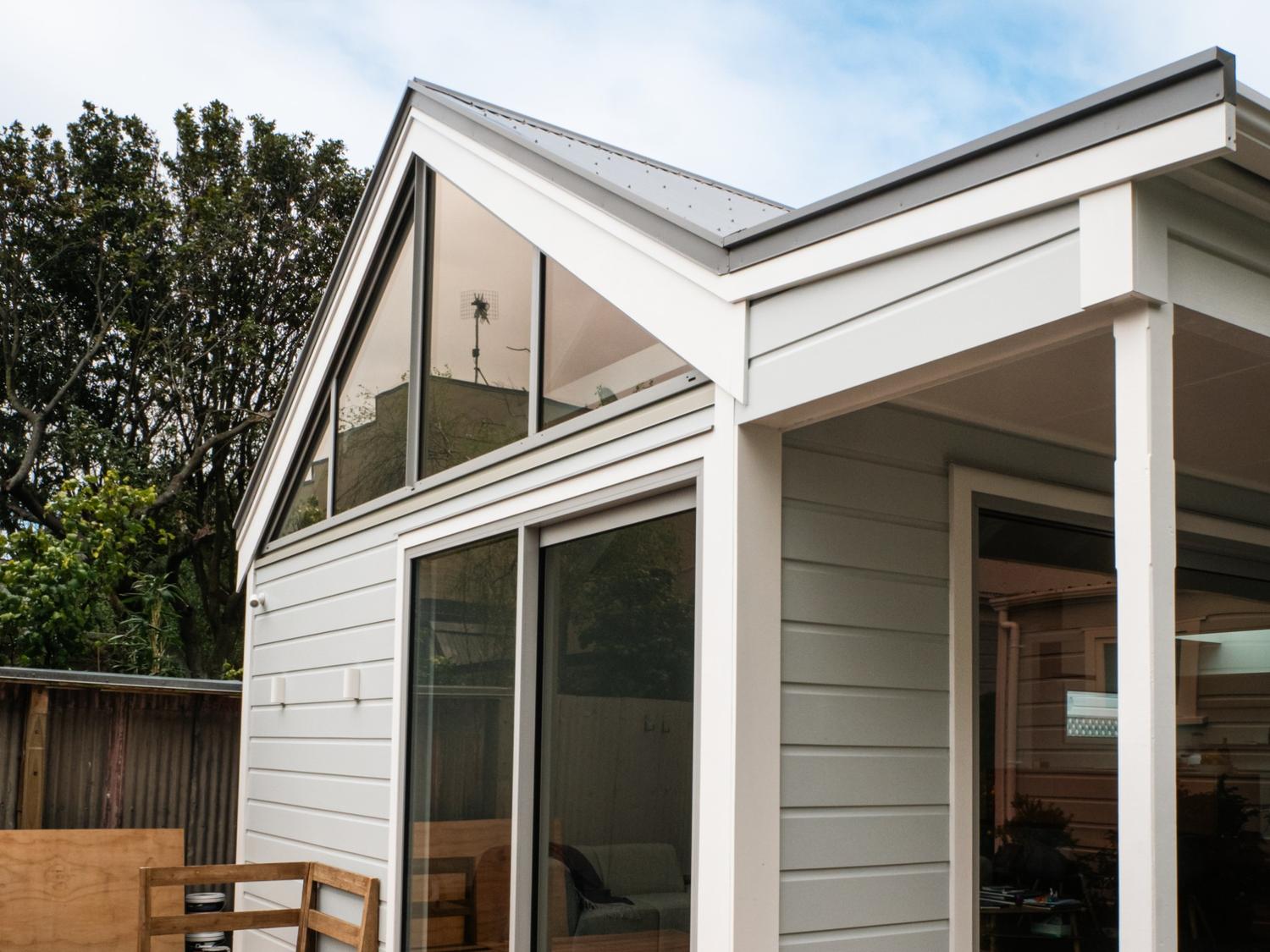
In these cases, the new recladding work itself will require a building consent (separate from the COA application for the existing unconsented work). Once the recladding is completed and passes inspection, it receives its own code compliance certificate.
Wellington Council Requirements
The Wellington region spans multiple territorial authorities, each with their own processes for handling code compliance and certificate of acceptance applications.
- Wellington City Council: Handles properties across Wellington City suburbs. Their building compliance team processes COA applications and can advise on specific documentation requirements for older properties.
- Hutt City Council: Covers Lower Hutt, Petone, Eastbourne, and Wainuiomata. Has specific processes for dealing with the region’s older housing stock, including character villas with non-compliant cladding.
- Upper Hutt City Council: Covers Upper Hutt and surrounding areas.
- Porirua City Council: Covers Porirua, Whitby, Papakowhai, and Plimmerton.
- Kapiti Coast District Council: Covers Paraparaumu, Waikanae, and Raumati.
Each council has its own approach to inspections, documentation requirements, and processing times. A builder with experience across the Wellington region will know these variations and can help ensure your application is complete before submission, reducing the chance of delays or requests for further information.
Choosing a Builder for Compliance Work
Recladding for code compliance is more involved than a straightforward reclad. The builder needs to coordinate with the council’s compliance process, work from building inspection reports, and manage the sequencing of remedial work alongside the recladding itself.
Key things to look for:
- Licensed Building Practitioner (LBP) status: Recladding is restricted building work under the Building Act. The builder must hold the relevant LBP licence classes.
- Experience with compliance work: Not all builders are familiar with the certificate of acceptance process or working from building inspection reports. Ask whether they have handled similar projects.
- Council relationships: A builder who works regularly with Wellington councils will understand documentation requirements, inspection expectations, and how to manage the consent process efficiently.
- Weathertightness expertise: Compliance recladding often involves addressing underlying weathertightness failures, not just replacing the external cladding. The builder should understand moisture management, flashing details, and building wrap systems.
For a broader guide on evaluating builders, read our post on how to choose the best builders in Wellington.
Why Choose Clearcut Building Solutions
Clearcut Building Solutions has completed recladding projects across the Wellington region, including properties with compliance issues, lapsed consents, and building inspection reports requiring remedial work.
- NZ Certified Builders Member: Independently vetted to meet ongoing industry standards
- Halo 10-Year Guarantee: Your project is protected by a third-party guarantee managed by independent assessors
- Licensed Building Practitioners: Every project supervised by LBP-licensed builders
- Wellington-focused: We work exclusively in the Wellington region and understand the local councils, housing stock, and site challenges
Browse our completed projects to see examples of our work across the region.
Frequently Asked Questions
What is a code compliance certificate?
A code compliance certificate (CCC) is issued under Section 95 of the Building Act 2004 when consented building work has been completed and passes all required inspections. It confirms the work complies with the building consent and the New Zealand Building Code.
What is a certificate of acceptance?
A certificate of acceptance (COA) is issued under Sections 96-99 of the Building Act 2004 for building work done without consent, or where the council is unable to issue a CCC. It provides limited assurance based on what the council can currently verify.
Do I need to reclad my house to get code compliance?
Not necessarily. Recladding is required when the existing cladding system has failed, is past its serviceable life, or does not meet Building Code weathertightness requirements. A building inspection report will identify whether recladding is needed as part of achieving compliance.
What happens if my building consent has lapsed?
If your building consent has lapsed, the work cannot receive a CCC under the original consent. You may need to apply for a certificate of acceptance to regularise the existing work, and any further building work will require a new consent. The council may require remedial work before issuing compliance documentation.
Can I sell my house without a code compliance certificate?
You can sell a property without a CCC, but buyers and their lawyers will identify outstanding compliance issues during due diligence. Properties with unconsented work or missing CCCs can be more difficult to sell and may affect the sale price. Some lenders may also decline to finance properties with significant compliance gaps.
How long does the certificate of acceptance process take?
The council has 20 working days to process a COA application. However, the total timeline depends on the completeness of your application, whether a notice to fix is issued, and the scope of any remedial work required. If recladding is part of the remedial work, that will add to the overall project timeline.