Quick Answer: Renovating a character home in Wellington means balancing heritage preservation with modern comfort. The key areas to address are foundations, weatherboards, roofing, insulation, and electrical/plumbing upgrades. With the right builder, you can keep the charm of your villa, bungalow, or cottage while making it warm, dry, and functional for today’s living.
What’s in This Guide
- Types of Character Homes in Wellington
- Key Areas to Address First
- Balancing Character with Modern Living
- Do You Need Building Consent?
- How Much Does a Character Home Renovation Cost?
- Why Choose Clearcut
- FAQs
Types of Character Homes in Wellington
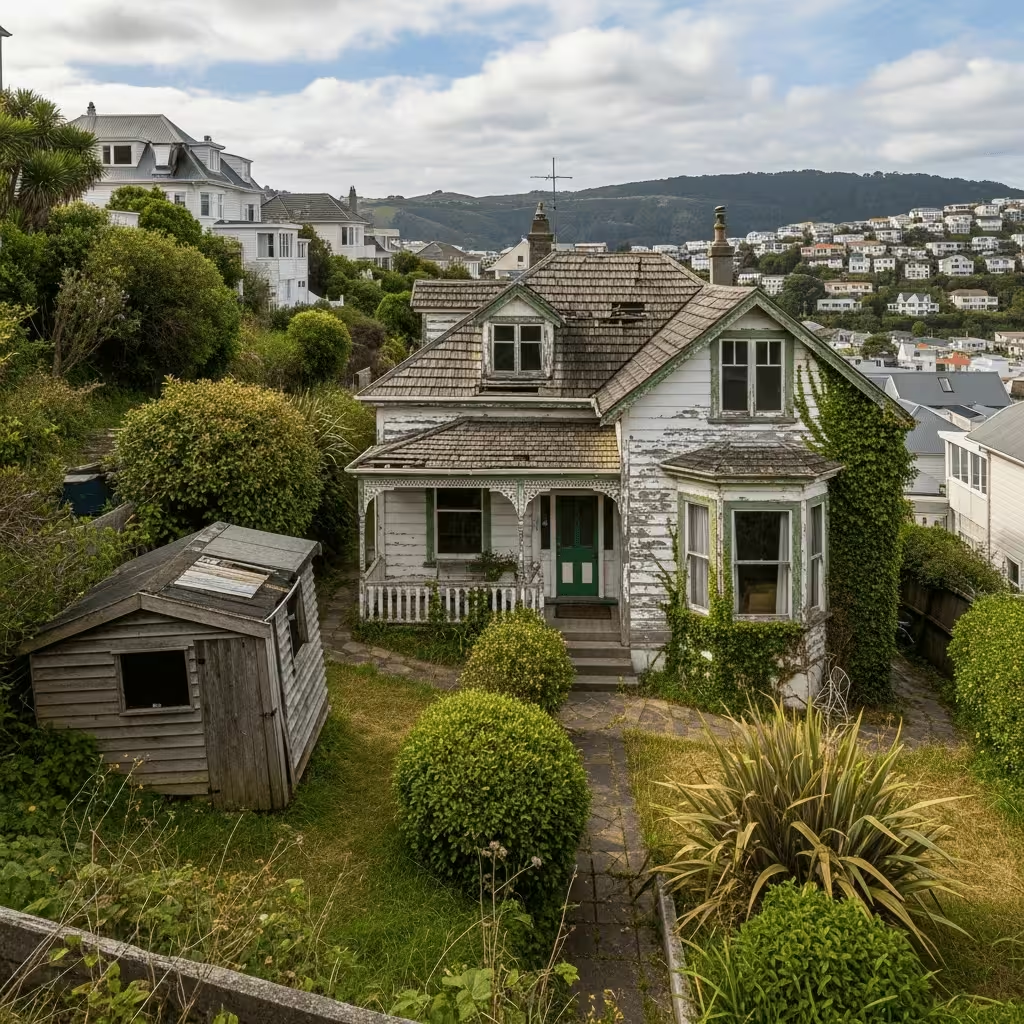
Wellington has one of the highest concentrations of pre-1940s housing in New Zealand. Understanding what type of character home you own helps determine the scope of renovation work required.
Victorian and Edwardian Villas (1880s-1920s)
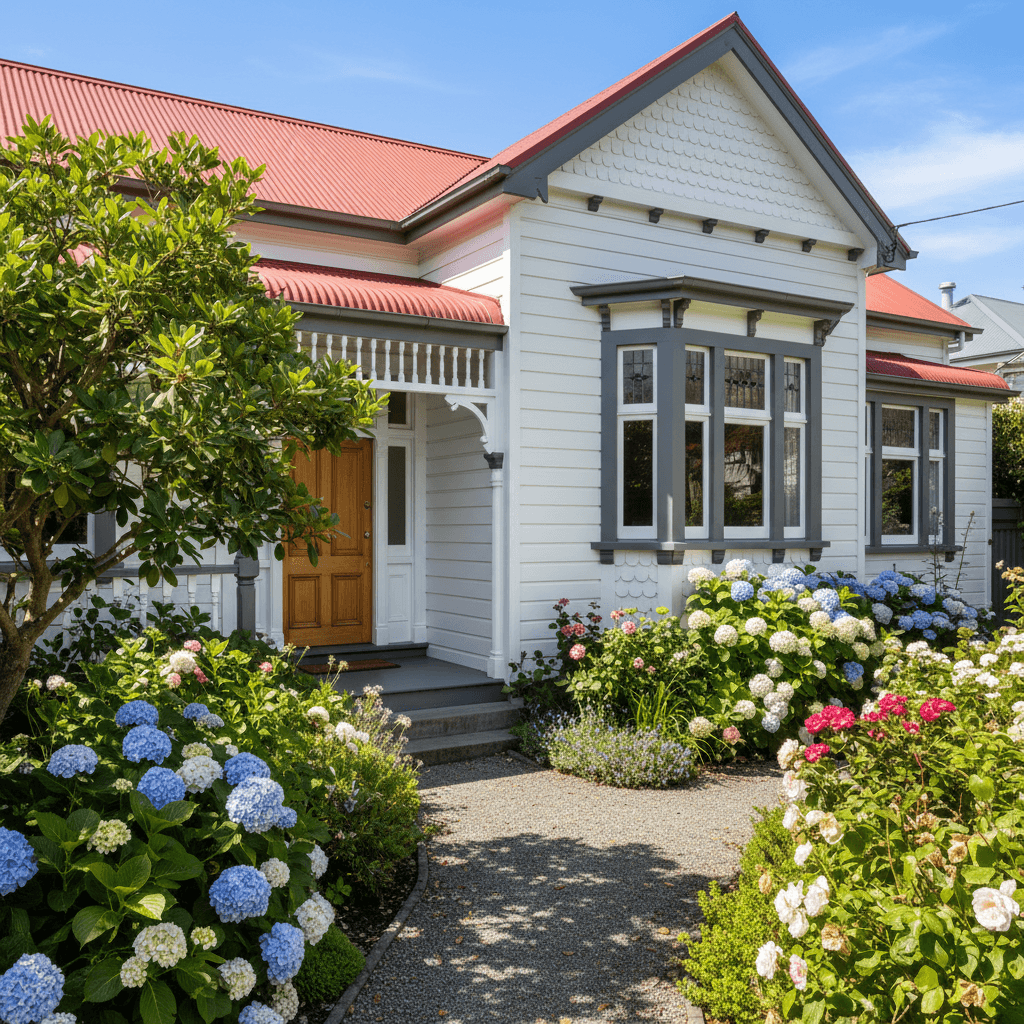
Wellington’s most iconic character homes. Recognisable by their bay windows, high ceilings, ornate fretwork, and timber weatherboard cladding. Common in Thorndon, Mt Victoria, Aro Valley, and Newtown. These homes often need foundation work, rewiring, and re-plumbing, but their generous proportions and period details make them highly desirable once renovated.
Californian Bungalows (1920s-1940s)
Lower-pitched rooflines, wide verandahs, and simpler interior detailing than villas. Found throughout Miramar, Kilbirnie, Island Bay, and the Hutt Valley. Bungalows tend to have better-preserved subfloor structures but often suffer from poor insulation and outdated layouts.
Workers’ Cottages (1890s-1930s)
Compact, no-frills timber homes originally built for workers in areas like Petone, Ngaio, and Berhampore. Smaller footprints mean renovations often focus on maximising space through open-plan conversions or rear extensions.
Key Areas to Address First
Character homes share common issues regardless of style. Addressing these in the right order prevents rework and keeps costs under control.
| Area | Why It Matters | Common Issues |
|---|---|---|
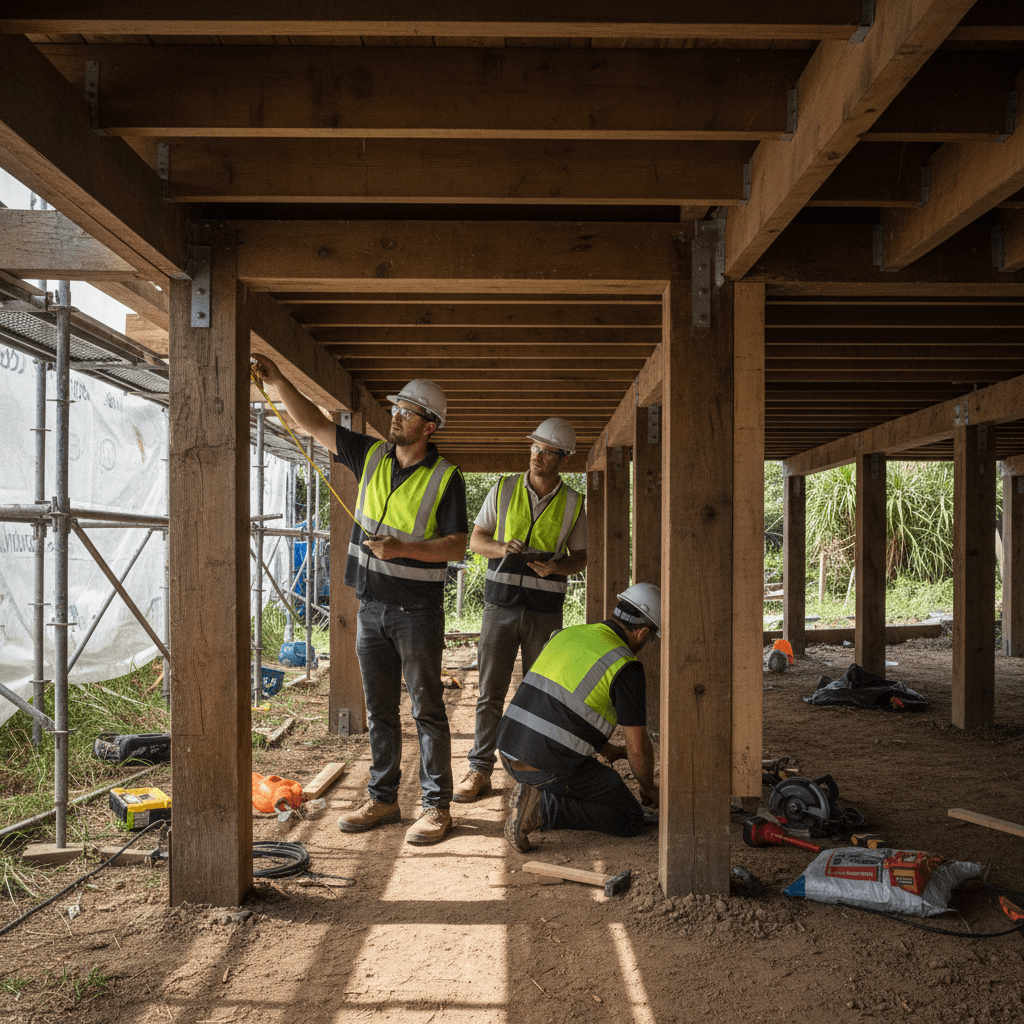
| Foundations & Piles | Everything above depends on what’s below | Rotten timber piles, uneven floors, inadequate bracing |
| Weatherboards & Cladding | Protects the structure from moisture | Rot, paint failure, gaps allowing water ingress |
| Roofing | Leaks cause hidden damage over time | Corroded iron, damaged flashings, sagging ridgelines |
| Electrical | Safety and compliance | Original wiring, insufficient circuits, no RCDs |
| Plumbing | Old pipes corrode and restrict flow | Galvanised steel pipes, lead joints, poor drainage |
| Insulation | Comfort, health, and energy efficiency | No wall insulation, thin ceiling batts, draughty floors |
Tip: Always start with structural and weathertightness work before cosmetic upgrades. A new kitchen in a house with rotten piles is money in the wrong order.
Balancing Character with Modern Living
The best character home renovations keep what makes the house special while fixing what doesn’t work. Here’s how that looks in practice.
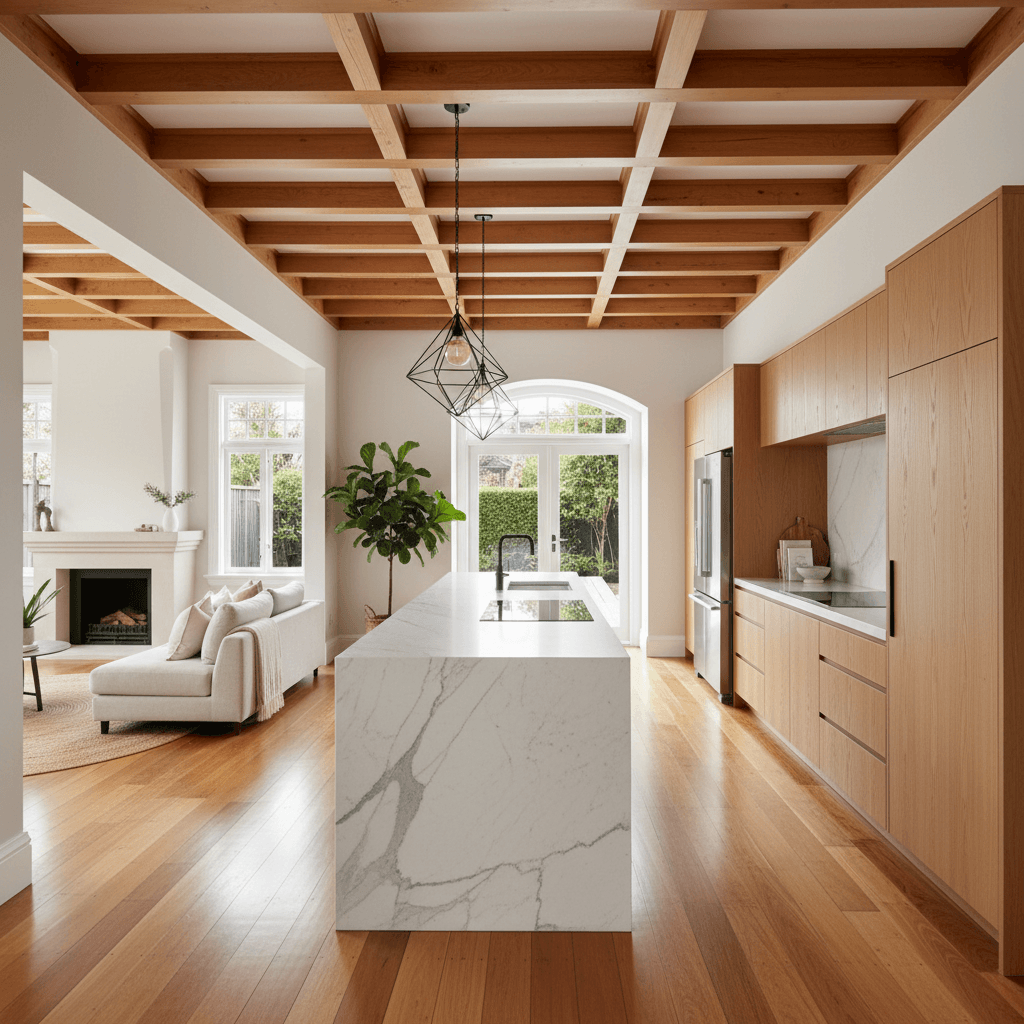
Open-Plan Conversions
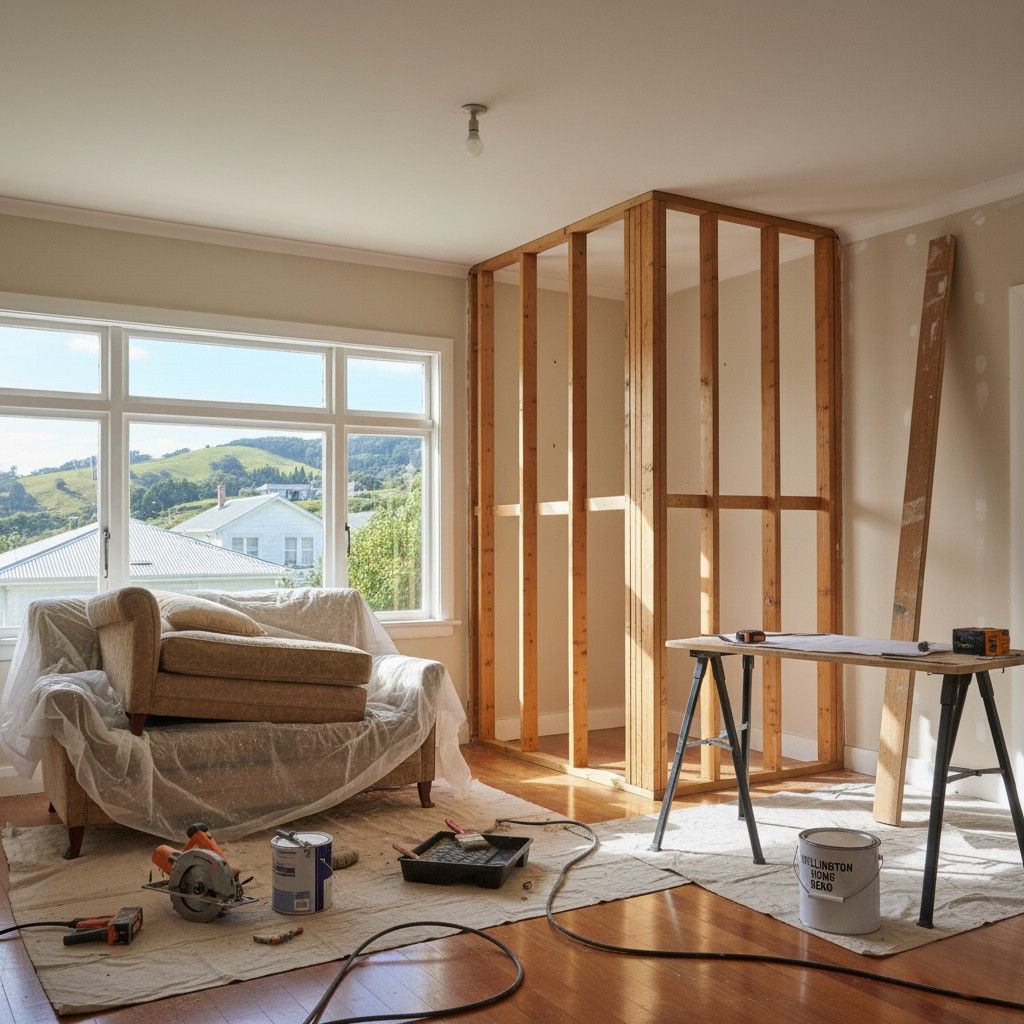
Many character homes were designed with small, separate rooms. Removing non-load-bearing walls between the kitchen, dining, and living areas creates a modern flow while keeping period features like ceiling roses, picture rails, and timber floors as visual anchors throughout the space.
Kitchen and Bathroom Upgrades
These rooms get the most use and tend to be the most outdated. Modern cabinetry, stone benchtops, and quality appliances can sit comfortably alongside original timber flooring and high ceilings. The contrast between old and new is part of the appeal.
Insulation and Double Glazing
Character homes are notoriously cold. Retrofitting underfloor, wall, and ceiling insulation makes a dramatic difference. Timber sash windows can be upgraded with slim double-glazed units that maintain the original profile while cutting heat loss and noise.
Extensions
When the existing footprint isn’t enough, a well-designed rear or side extension can add living space without compromising the street-facing character. The key is making the extension complement the original home rather than compete with it.
Do You Need Building Consent?
It depends on the scope of work. Here’s a general guide for Wellington:
| Work Type | Consent Required? |
|---|---|
| Painting, decorating, new flooring | No |
| Like-for-like window replacement | Usually no |
| Kitchen or bathroom renovation (no structural changes) | Depends on plumbing/drainage changes |
| Removing load-bearing walls | Yes |
| Foundation or piling work | Yes |
| Extensions or additions | Yes |
| Recladding | Yes |
Some Wellington suburbs have heritage overlay rules that add extra requirements. Thorndon, Mt Victoria, and parts of the CBD have heritage precincts where exterior changes may need resource consent on top of building consent. Your builder should be able to advise on this early in the planning stage.
How Much Does a Character Home Renovation Cost?
Character homes cost more to renovate than modern houses. Period details, non-standard framing, and the need for careful demolition all add to the price. Here are realistic ranges for Wellington in 2026:
| Project Scope | Typical Range |
|---|---|
| Kitchen renovation | $35,000 – $80,000+ |
| Bathroom renovation | $25,000 – $55,000+ |
| Foundation re-piling | $15,000 – $50,000 |
| Full rewire | $15,000 – $30,000 |
| Recladding (weatherboards) | $80,000 – $200,000+ |
| Full character home renovation | $250,000 – $600,000+ |
These figures vary significantly based on the size of the home, its current condition, your choice of materials, and site access. Wellington’s hilly terrain can add to costs if scaffolding or difficult access is involved.
Why Choose Clearcut for Your Character Home Renovation
We’ve renovated character homes across Wellington, from villa renovations in Thorndon and Mt Victoria to bungalow upgrades in Miramar and the Hutt Valley. Our team understands the quirks of older construction and how to work with period details rather than against them.
Every project is managed by our licensed team, backed by the Halo 10-Year Residential Guarantee. We provide fixed-scope quotes so you know exactly what you’re paying for before work begins.
Frequently Asked Questions
What counts as a character home in Wellington?
Generally, any pre-1940s home with distinctive period features. This includes Victorian and Edwardian villas, Californian bungalows, and workers’ cottages. The defining characteristics are timber construction, weatherboard cladding, and original interior details like high ceilings, timber floors, and decorative joinery.
Should I renovate my character home or rebuild?
If the structure is fundamentally sound and the home has genuine character worth preserving, renovation is usually the better investment. Rebuilding means losing irreplaceable period details and often costs more than a comprehensive renovation. However, if the home has severe structural issues or extensive weather damage, rebuilding may be more practical.
Can I make a character home warm without losing its look?
Yes. Retrofitting insulation into walls, floors, and ceilings is standard practice. Timber sash windows can be fitted with slim double-glazed units that maintain the original profile. Draught-stopping around doors, windows, and floors also makes a significant difference without changing the appearance.
How long does a full character home renovation take?
A comprehensive renovation typically takes 4 to 8 months depending on the scope. Kitchen and bathroom upgrades on their own may take 6 to 12 weeks. Larger projects involving foundation work, recladding, and interior reconfiguration can run longer, especially if consent is required.
Do character homes have earthquake risks?
Timber-framed character homes generally perform well in earthquakes due to the flexibility of timber construction. However, unreinforced chimneys, heavy tile roofs, and inadequate bracing can create risks. A structural assessment as part of your renovation planning will identify any earthquake strengthening needed.
What heritage rules apply in Wellington?
Some areas like Thorndon and Mt Victoria have heritage precincts with specific rules about exterior changes. If your property is listed on the Wellington District Plan heritage schedule, you may need resource consent for changes to the facade, roofline, or external materials. Interior changes are generally unrestricted regardless of heritage status.