Quick Answer: The best Wellington builders are Licensed Building Practitioners (LBPs) with NZ Certified Builders membership, a Halo 10-Year Guarantee, transparent fixed-price quotes, and a portfolio of completed local projects. Always check references, verify their licence on the LBP register, and get at least three written quotes before committing.
What’s in This Guide
- What Makes Hiring Builders in Wellington Different
- Qualifications and Licences to Check
- 10 Questions to Ask Before You Sign
- Red Flags That Should Stop You Signing
- How to Compare Builder Quotes
- Why Choose Clearcut Building Solutions
- FAQs
What Makes Hiring Builders in Wellington Different
Wellington isn’t a straightforward place to build. The terrain, the weather, and the council requirements all create challenges that builders in other regions don’t face. If you’re looking for builders in Wellington, here’s what you’re dealing with:
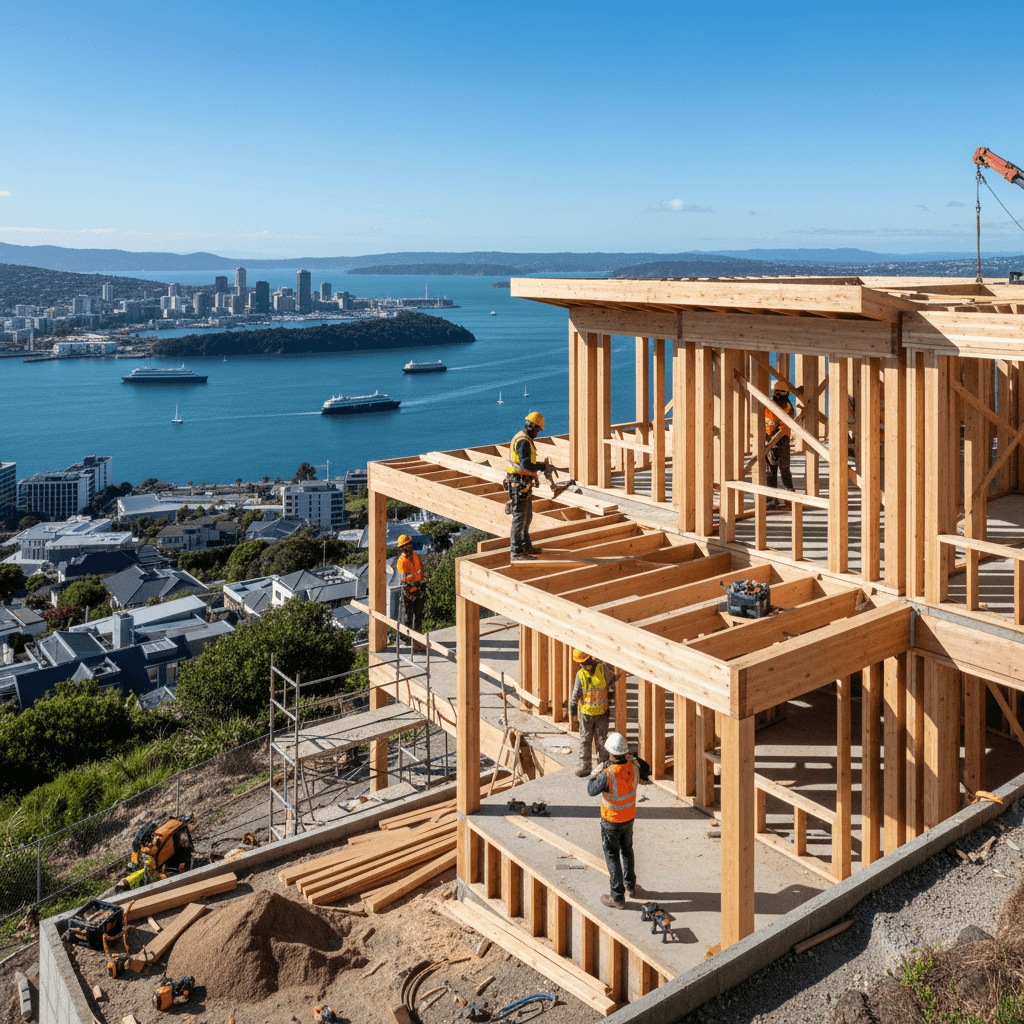
Steep, complex sites. Much of Wellington’s residential land sits on hillsides. That means retaining walls, engineered foundations, specialist access for machinery, and builders who’ve dealt with sloping sites before — not just read about them. A builder experienced in flat Christchurch subdivisions will struggle on a Karori hillside.
Seismic requirements. Wellington sits on multiple fault lines. Every new build and major renovation needs to meet current seismic standards under the Building Code. Your builder needs to understand earthquake strengthening, specifically how it applies to Wellington’s mix of character villas, 1960s concrete, and modern timber frames.
Wind and weather exposure. Southerlies off Cook Strait drive horizontal rain into cladding, joinery, and roofing systems. Wellington builders need to specify materials and detailing that handle this — cavity systems, proper flashings, and weathertight construction. The E2/AS1 weathertightness standard exists because of leaky building failures, and Wellington’s exposure makes getting it right even more critical.
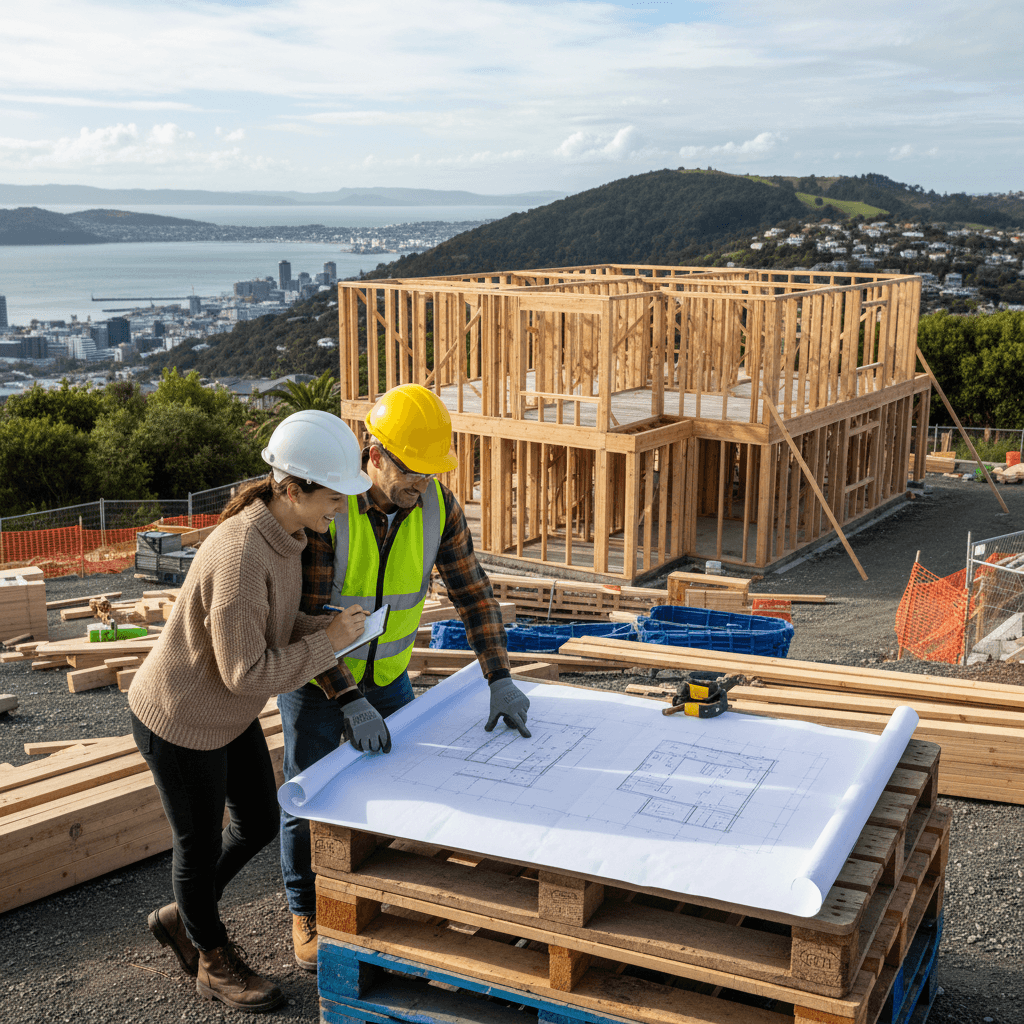
Council consenting. Wellington City Council, Porirua City Council, Hutt City Council, and Upper Hutt City Council each have their own district plans, processing times, and quirks. A builder who works across the region knows which council is faster for which consent type, and how to submit applications that don’t get sent back for further information.
Access and logistics. Narrow streets in suburbs like Thorndon, Mt Victoria, and Island Bay create real problems for material delivery and crane access. Experienced Wellington builders plan for this upfront rather than discovering it on day one.
Qualifications and Licences Every Wellington Builder Should Have
Before you look at portfolios or compare quotes, verify the basics. These aren’t optional extras — they’re the minimum standard for any builder you should consider:
Licensed Building Practitioner (LBP)
An LBP licence is legally required for anyone doing restricted building work in New Zealand. This includes structural framing, weathertightness systems, and fire safety elements. You can verify any builder’s licence on the MBIE LBP register. If they’re not on there, don’t hire them for anything beyond minor cosmetic work.
NZ Certified Builders (NZCB) Membership
NZCB membership means the builder has been independently vetted and must meet ongoing standards. More importantly, it gives you access to the Halo 10-Year Residential Guarantee — an independent, third-party guarantee covering defects for up to 10 years. Claims are managed by independent assessors, not the builder themselves. This is the strongest consumer protection available for residential building work in New Zealand.
MoneyHub’s guide to the best builders in Wellington lists NZCB membership and guarantee backing as key factors when comparing Wellington builders.
Adequate Insurance
Your builder should carry public liability insurance (minimum $2 million), contract works insurance covering the build itself, and professional indemnity insurance. Ask to see current certificates — not just hear that they “have insurance.”
Site Safe Certification
For any project with multiple trades on site, your builder should hold Site Safe certification. This covers health and safety management, which they’re legally responsible for under the Health and Safety at Work Act 2015.
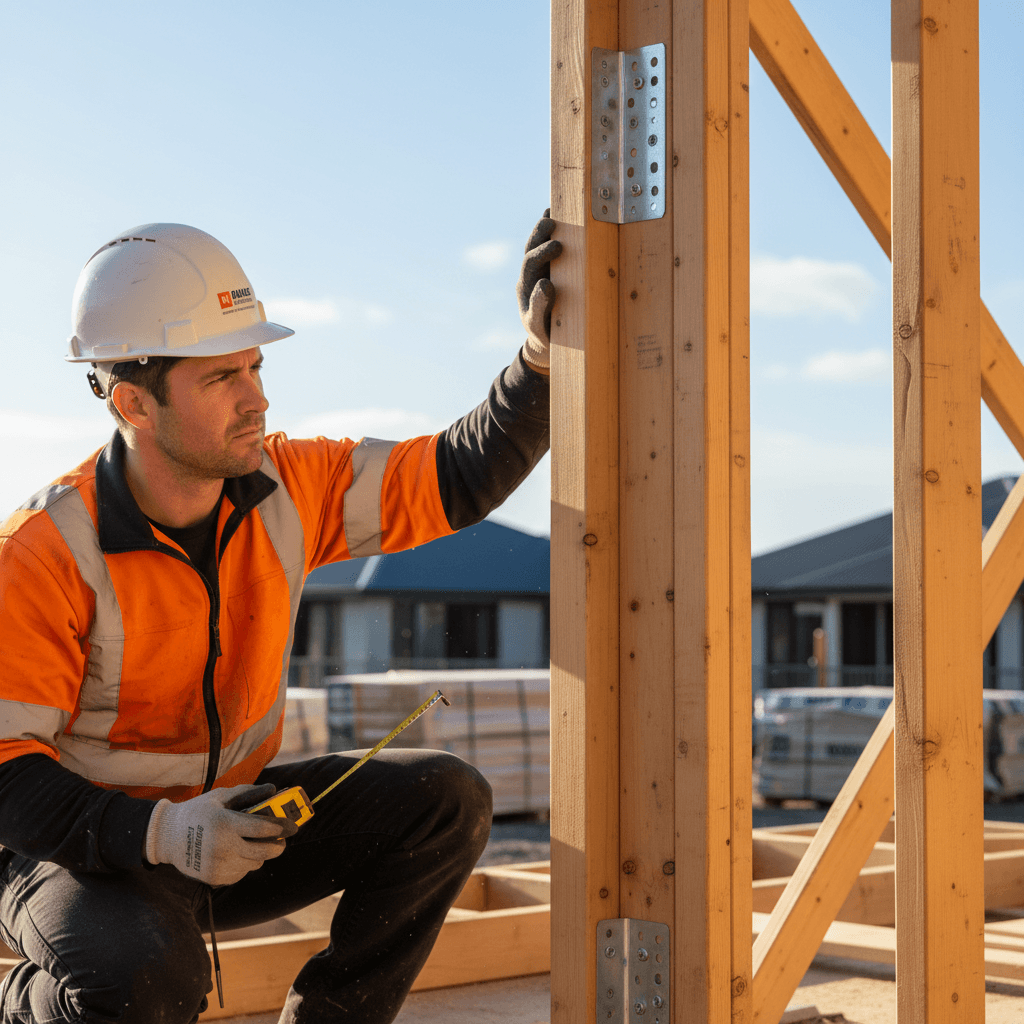
10 Questions to Ask Wellington Builders Before You Sign
These aren’t trick questions. They’re designed to reveal whether a builder is organised, experienced, and honest about what your project involves:
| # | Question | What a Good Answer Looks Like |
|---|---|---|
| 1 | Can I see your LBP licence number? | They give it to you immediately. You verify it on the MBIE register. |
| 2 | Do you carry a 10-year guarantee? | Yes — backed by an independent third party (like the Halo Guarantee), not just a company promise. |
| 3 | Is your quote fixed-price or estimate? | Fixed-price with clearly defined scope. Estimates can blow out 20-40%. |
| 4 | Have you built on similar sites in Wellington? | They show you specific projects — addresses, photos, challenges they solved. |
| 5 | How do you handle council consents? | They manage the process or coordinate with your designer. They know the local council’s requirements. |
| 6 | Who will be my main point of contact? | One named person — not “whoever’s available.” You want consistent communication. |
| 7 | Can I speak to two recent clients? | They offer this without hesitation. Builders who dodge this question are hiding something. |
| 8 | What’s your current timeline and capacity? | They give you an honest start date — even if it’s months away. Beware builders who can “start Monday.” |
| 9 | How do you manage variations and extras? | Written variation orders with costs approved before work proceeds. Never verbal agreements. |
| 10 | What happens if something goes wrong? | Clear defect resolution process, ideally backed by an independent guarantee scheme. |
Red Flags That Should Stop You Signing a Contract
These warning signs apply to any builder in New Zealand, but they’re especially relevant in Wellington where the stakes are higher due to terrain and seismic factors:
- No LBP licence or won’t share the number. This is non-negotiable. Walk away.
- Asking for large upfront deposits. Standard practice is a 5-10% deposit on signing. If a builder wants 30-50% before breaking ground, it may indicate cash flow problems.
- No written contract. Every building project over $30,000 must have a written contract under the Building Act 2004. If a builder suggests a handshake deal, they’re either inexperienced or trying to avoid accountability.
- “We’ll sort the consent later.” Building without consent is illegal and uninsurable. If your builder is casual about consenting, find another builder.
- No insurance certificates on request. A professional builder can produce these within 24 hours.
- Vague or verbal-only quotes. If the quote doesn’t break down costs by category (foundations, framing, cladding, fitout, etc.), you can’t meaningfully compare it against other quotes.
- Pressure to sign quickly. “This price is only good until Friday” is a sales tactic, not a building practice. Good builders are busy — they don’t need pressure tactics.
- No local project examples. If they can’t show you completed work in Wellington, they may not understand the specific challenges of building here.
How to Compare Builder Quotes in Wellington
Getting three quotes is standard advice, but comparing them properly is where most people get tripped up. Here’s what to actually look at:
Make Sure You’re Comparing the Same Scope
Before you look at the bottom-line number, check that every quote covers the same work. Common items that get left out of cheaper quotes:
- Consent fees and engineering
- Site preparation and excavation
- Temporary fencing and site safety
- Demolition and waste removal
- Landscaping reinstatement
- Council inspection fees
A quote that’s $30,000 cheaper but excludes $40,000 of site works isn’t actually cheaper.
Fixed-Price vs Estimate
A fixed-price quote means the builder absorbs cost overruns (within the agreed scope). An estimate means you absorb them. In Wellington, where unexpected ground conditions, weather delays, and access issues are common, fixed-price contracts offer much better protection for homeowners.
Payment Schedule
A standard payment schedule ties payments to completed stages — not calendar dates. Something like 10% deposit, then progress payments at foundations complete, framing complete, closed in, and practical completion. Never agree to front-loaded payment schedules where most of the money is paid before most of the work is done.
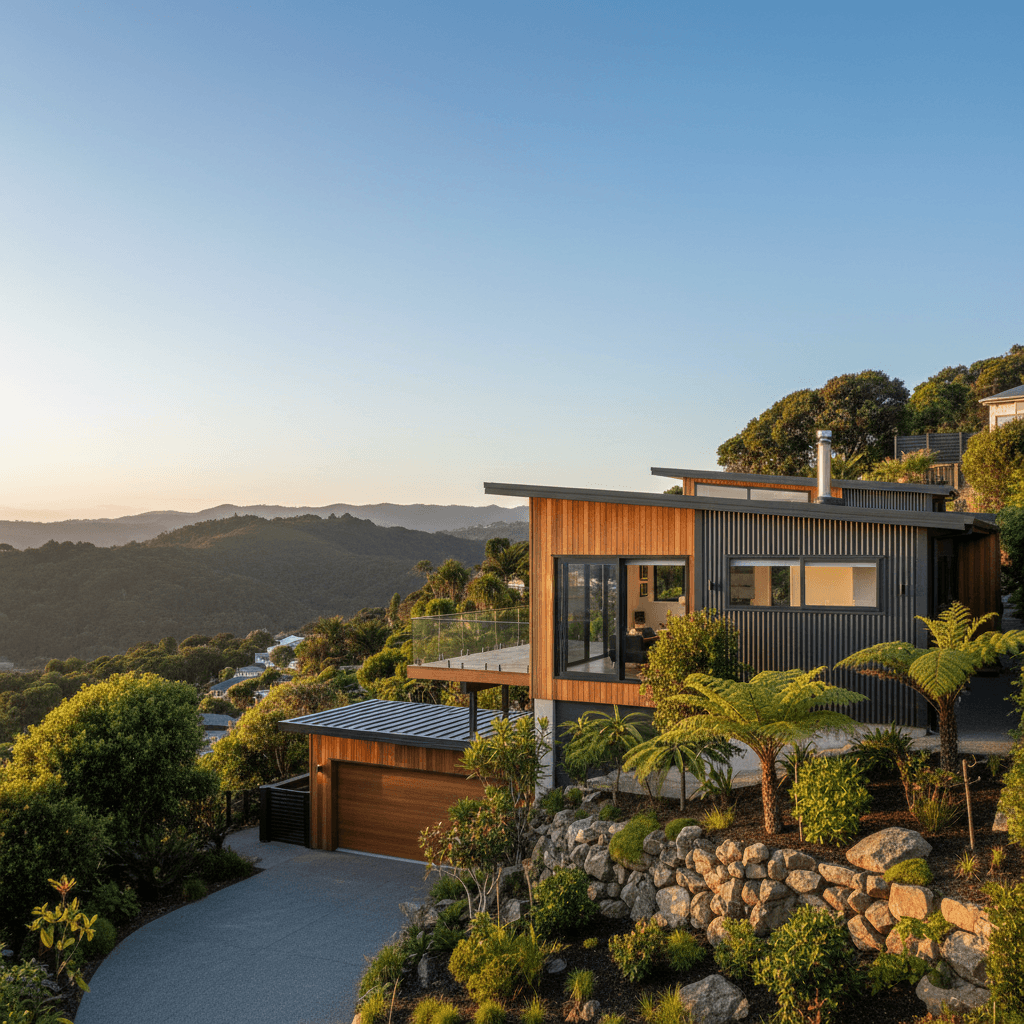
Why Choose Clearcut Building Solutions
We wrote this guide to help Wellington homeowners make a good decision — even if that decision isn’t us. But if you’re comparing builders, here’s what we bring:
- NZ Certified Builders with the Halo 10-Year Residential Guarantee — independent, third-party protection for your investment.
- Licensed Building Practitioners — every project is supervised by LBP-licenced builders.
- Fixed-price quotes — we quote what we charge. No surprises, no estimate blowouts.
- Wellington-only focus. We don’t spread ourselves across the country. Our projects are in Wellington, Lower Hutt, Upper Hutt, Porirua, and the Kapiti Coast. We know the terrain, the councils, and the conditions.
- Full-service capability — from new builds and renovations to extensions, recladding, kitchen renovations, bathroom renovations, decks, minor dwellings, and commercial fit-outs.
- Clear communication. One point of contact, regular updates, and no ghosting between milestones.
Frequently Asked Questions
How do I check if a Wellington builder is licensed?
Search for their name or licence number on the MBIE Licensed Building Practitioner register. This confirms their licence class, status, and any disciplinary history. Every builder doing restricted building work in New Zealand must hold a current LBP licence.
What’s the difference between NZ Certified Builders and Registered Master Builders?
Both are industry membership bodies that vet builders and offer guarantee schemes. NZ Certified Builders provides the Halo 10-Year Guarantee, while Registered Master Builders offers the Master Build Guarantee. Both offer strong consumer protection — the key is that your builder belongs to one of them, giving you independent recourse if something goes wrong.
How much should I budget for a new build in Wellington?
Wellington new builds typically cost between $3,000 and $4,500+ per square metre depending on complexity, site conditions, and specification level. For a detailed breakdown by house size and build tier, see our guide to building costs in NZ.
Should I get a fixed-price quote or an estimate?
For Wellington projects, we strongly recommend fixed-price contracts. The region’s challenging terrain and weather conditions mean unexpected costs are more likely than in other parts of New Zealand. A fixed-price contract means the builder absorbs those overruns, not you.
How long does it take to build a house in Wellington?
A standard three-bedroom home typically takes 6-9 months from consent to completion. Complex hillside builds, multi-storey designs, or projects requiring extensive foundation work can take 12-18 months. Council consenting adds 4-12 weeks before construction begins. Read our breakdown of how many hours go into building a house.
What guarantee should my builder offer?
Look for an independent, third-party guarantee of at least 10 years. The Halo 10-Year Residential Guarantee (through NZ Certified Builders) and the Master Build Guarantee (through Registered Master Builders) are the two main schemes. Both cover defects and are managed by independent assessors — not the builder. A builder’s own “company guarantee” is only as good as the company’s survival.