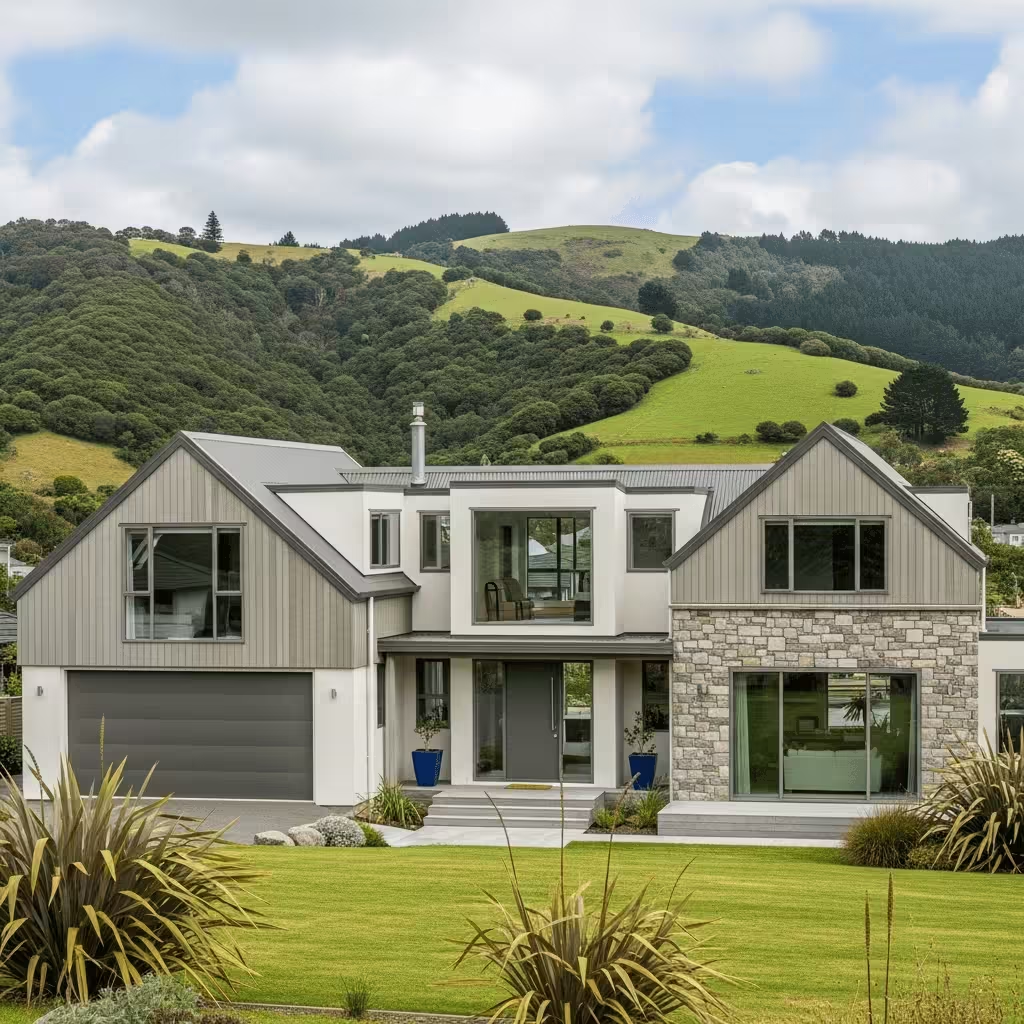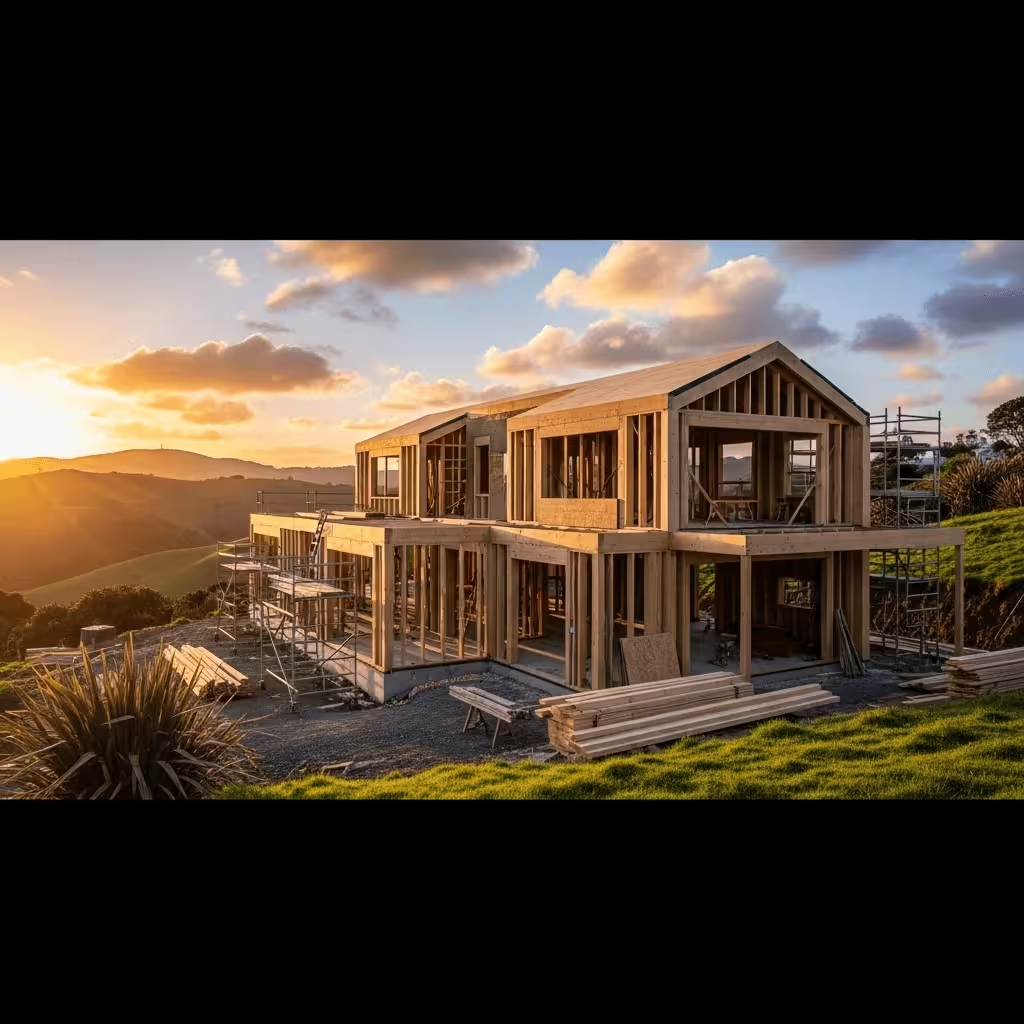
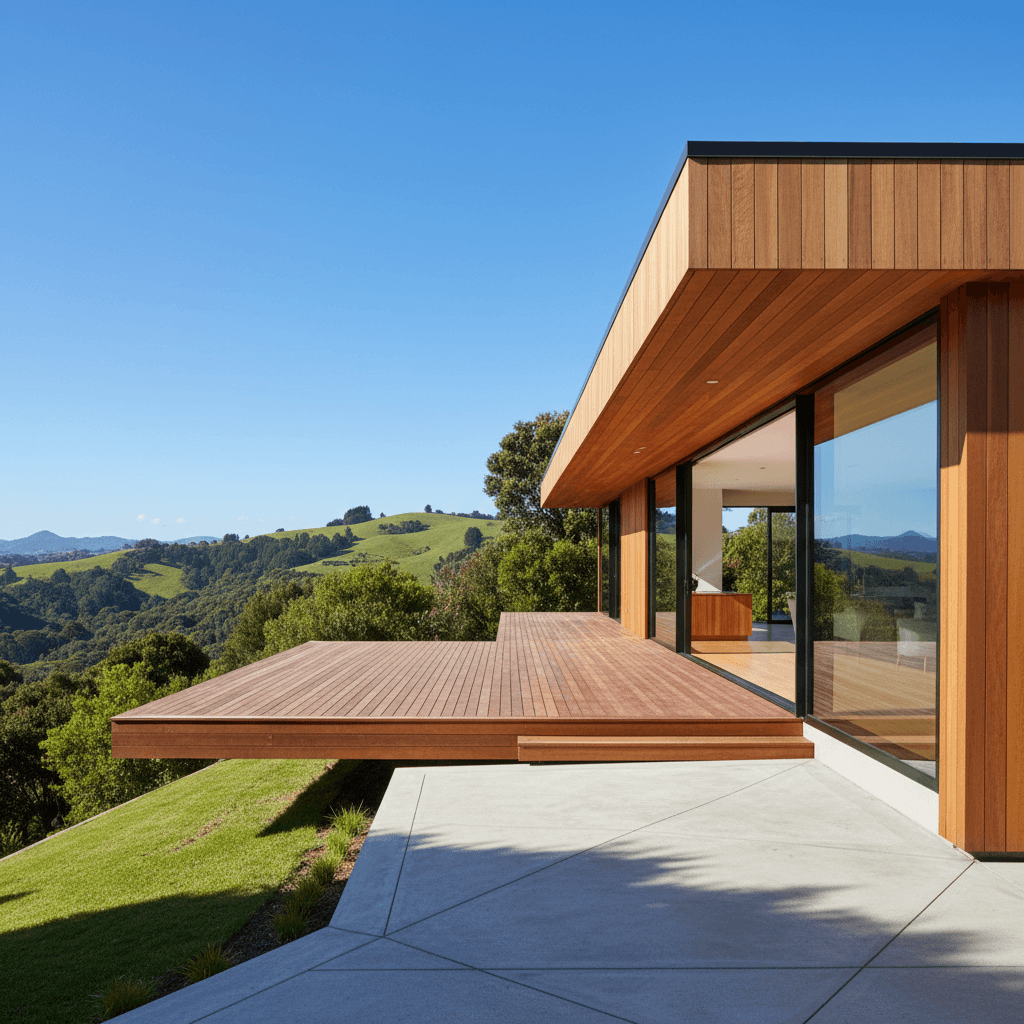
Quick Answer: Design-build combines your architect and builder into one team from day one, giving you a single point of contact, tighter cost control, and faster delivery. A traditional architect-led approach keeps design and construction separate, giving you more independent design oversight but requiring you to manage two contracts. For high-specification Wellington homes, both approaches work well when you choose the right team.
What’s in This Guide
- What Is Design-Build?
- What Is Traditional Architect-Led Construction?
- Key Differences at a Glance
- When to Choose Each Approach
- Costs and Timelines in Wellington
- Why Choose Clearcut Building Solutions
- Frequently Asked Questions
What Is Design-Build?
Design-build is a project delivery method where a single company handles both the architectural design and the construction. Instead of hiring an architect separately and then tendering the project to builders, you work with one integrated team from concept through to completion.
In Wellington, this approach has become increasingly popular for residential projects where homeowners want a streamlined process without sacrificing design quality. Your builder brings construction expertise into the design phase early, which means fewer surprises when it comes to buildability, consenting, and costs.
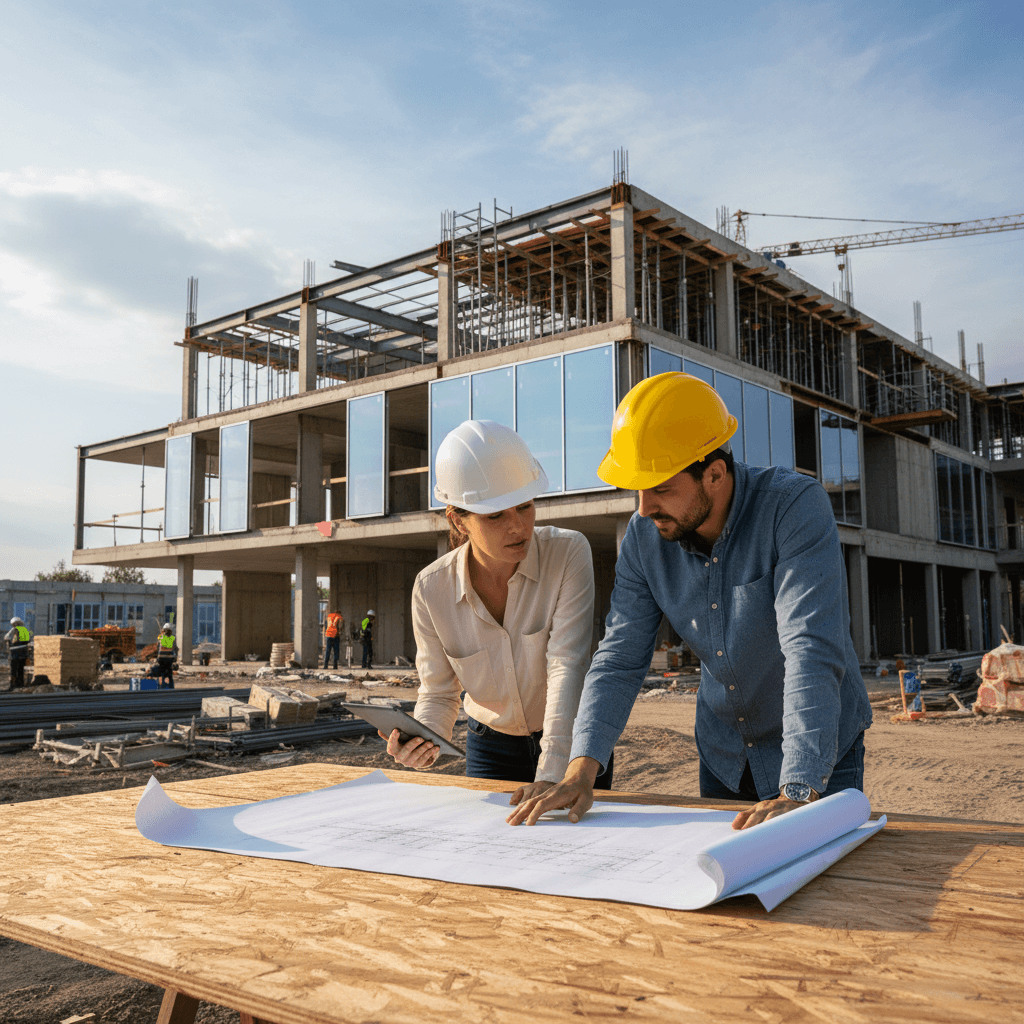
The design-build model works particularly well in Wellington because of the city’s unique building challenges. Steep sites, wind zones, earthquake strengthening requirements, and heritage overlays all benefit from having construction knowledge integrated into the design process from the start.
What Is Traditional Architect-Led Construction?
In a traditional architect-led approach, you engage an architect to design your home or renovation first. Once the design is complete and consented, you then tender the project to builders for pricing. The architect may continue to oversee the build as a contract administrator, acting as an independent advocate for your interests.
This approach gives you complete creative freedom during the design phase. Your architect works solely for you, without any construction cost pressures influencing the design. For complex, bespoke projects where design innovation is the priority, this independence can be valuable.
Many Wellington homeowners working with established architectural practices prefer this model. It allows them to explore ambitious design concepts with their architect before bringing a builder on board. The architect’s ongoing involvement during construction provides an additional layer of quality assurance.
Key Differences at a Glance
| Factor | Design-Build | Architect-Led |
|---|---|---|
| Contracts | One contract, one team | Separate architect and builder contracts |
| Cost Certainty | Early cost visibility, fewer variations | Costs confirmed after design completion |
| Timeline | Faster overall (overlapping phases) | Sequential (design then build) |
| Design Freedom | Guided by buildability and budget | Maximum creative independence |
| Communication | Single point of contact | Coordinate between two parties |
| Risk | Builder carries design and build risk | Split between architect and builder |
| Best For | Efficiency, budget control, complex sites | Bespoke designs, architectural statements |
When to Choose Each Approach in Wellington
Choose Design-Build When:
- You want cost certainty early. If knowing your budget before committing to a full design is important, design-build gives you realistic cost guidance from the first meeting.
- Your site has complex challenges. Wellington’s steep terrain, high wind zones, and seismic requirements are better managed when construction expertise shapes the design.
- You value a single point of accountability. One contract means one team is responsible for delivering your project on time, on budget, and to specification.
- You’re working to a tight timeline. Design and construction phases can overlap, potentially saving months compared to the traditional sequential approach.
Choose Architect-Led When:
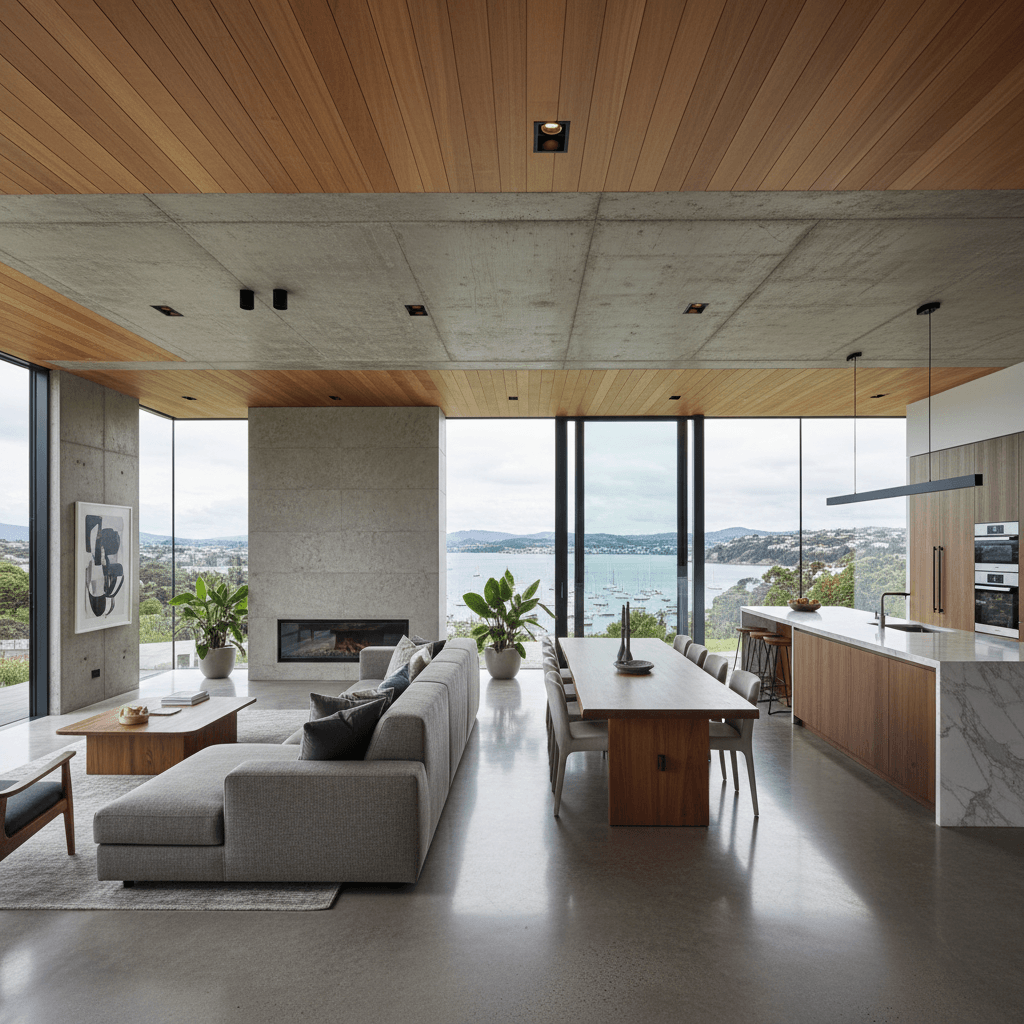
- Design innovation is your top priority. If you want a truly bespoke architectural statement, an independent architect can push creative boundaries without construction constraints.
- You already have an architect you trust. Many Wellington homeowners have long-standing relationships with architectural practices and want to maintain that partnership.
- You want independent oversight during construction. Having your architect act as contract administrator provides a layer of quality assurance separate from the builder.
- Your project is a heritage restoration. Complex heritage work often benefits from specialised architectural expertise in the design phase.
The Hybrid Approach
In practice, many premium Wellington projects sit somewhere in between. An experienced builder who regularly collaborates with architects can offer the best of both worlds. Your architect handles the design vision while the builder provides early input on buildability, consenting, and costs. This collaborative model is increasingly common on high-specification Wellington homes.
Costs and Timelines in Wellington
Project costs in Wellington vary significantly based on specification level, site complexity, and scope. Here’s a general guide for premium residential work:
| Project Type | Typical Range (2026) | Timeline |
|---|---|---|
| High-spec new build | $4,500 – $7,000+ per m² | 12 – 18 months |
| Premium renovation | $3,500 – $6,000+ per m² | 6 – 12 months |
| Architectural home extension | $4,000 – $6,500+ per m² | 4 – 10 months |
| Architect’s fees (traditional) | 8 – 15% of build cost | 3 – 6 months (design) |
These figures are indicative only. Every Wellington project is different, and factors like hillside access, earthquake strengthening, and material specifications have a significant impact on the final cost. The best way to understand what your project will cost is to have a detailed conversation with an experienced builder early in the process.
Why Choose Clearcut Building Solutions
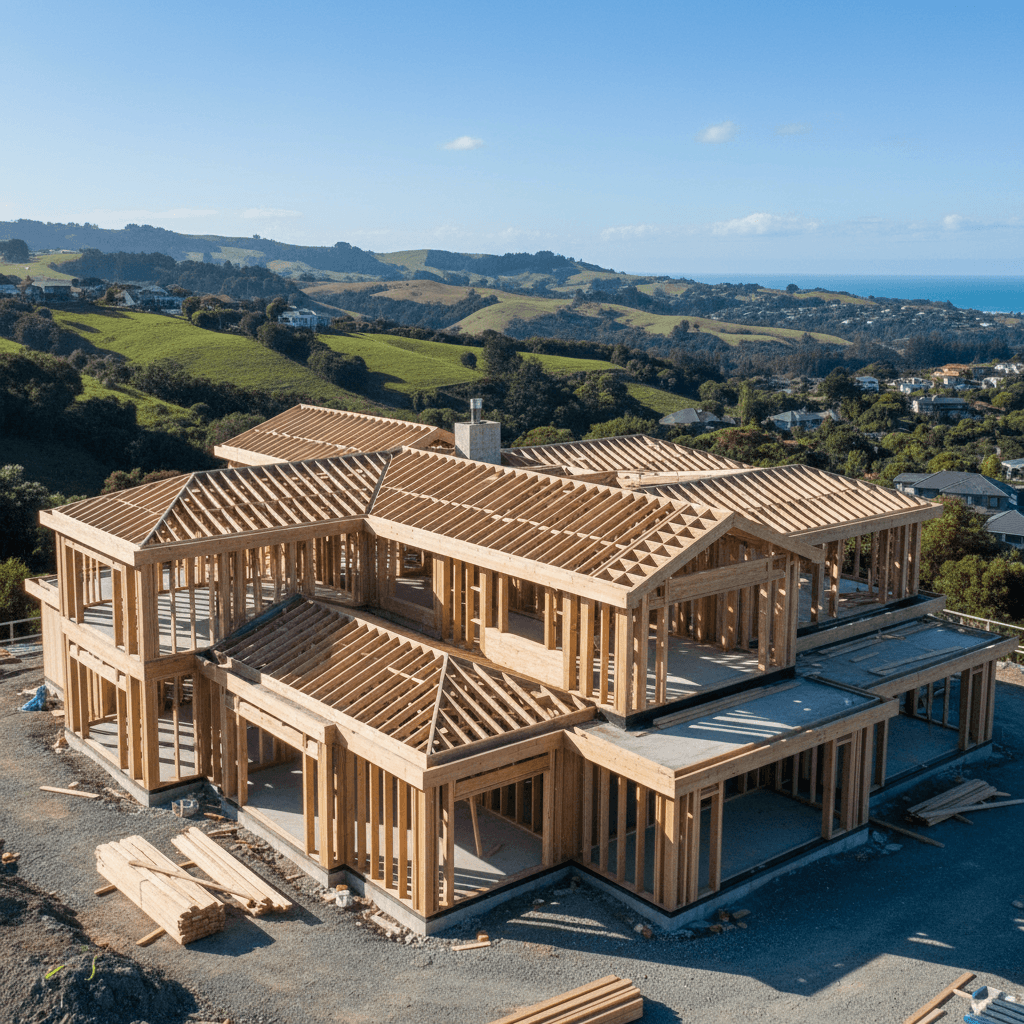
Whether you’re exploring a design-build approach or bringing your own architect to the table, Clearcut Building Solutions has the experience to deliver high-specification results. Our team regularly collaborates with Wellington’s leading architectural practices on complex residential projects, from hillside new builds to heritage villa renovations.
As architectural builders in Wellington, we bring construction expertise into the design conversation early. This means your architect’s vision is backed by practical building knowledge, so the design you approve is the home you get built, without costly surprises during construction.
Every Clearcut project is backed by our commitment to clear communication, expert craftsmanship, and a structured build process that keeps you informed at every stage. We work with homeowners and architects who value quality over shortcuts.
Frequently Asked Questions
Is design-build cheaper than using an architect separately?
Not necessarily cheaper, but it often provides better cost certainty earlier in the process. With design-build, your builder can give you realistic budget guidance before the full design is developed. In a traditional approach, you may invest significantly in architectural fees before discovering the design exceeds your budget.
Can I use my own architect with a design-build firm?
Absolutely. Many design-build projects involve the client’s preferred architect working collaboratively with the builder from the start. This hybrid approach is common in Wellington and gives you both independent design expertise and integrated construction knowledge.
How do I know which approach is right for my project?
Consider your priorities. If cost certainty and a streamlined process matter most, design-build is likely the better fit. If design innovation and independent architectural oversight are your top priorities, the traditional approach may suit you better. For most premium Wellington projects, a collaborative model that brings both parties together early tends to produce the best results.
What should I look for in an architectural builder?
Look for a builder with demonstrated experience on architect-designed projects, strong relationships with Wellington architectural practices, and a portfolio of high-specification work. Certifications like Licensed Building Practitioner (LBP) status and membership with organisations like New Zealand Certified Builders provide additional assurance.
How long does the design phase take in Wellington?
For a premium residential project, the design phase typically takes 3 to 6 months with a traditional architect, including concept design, developed design, and building consent documentation. Design-build can compress this timeline by overlapping design development with early construction planning and procurement.