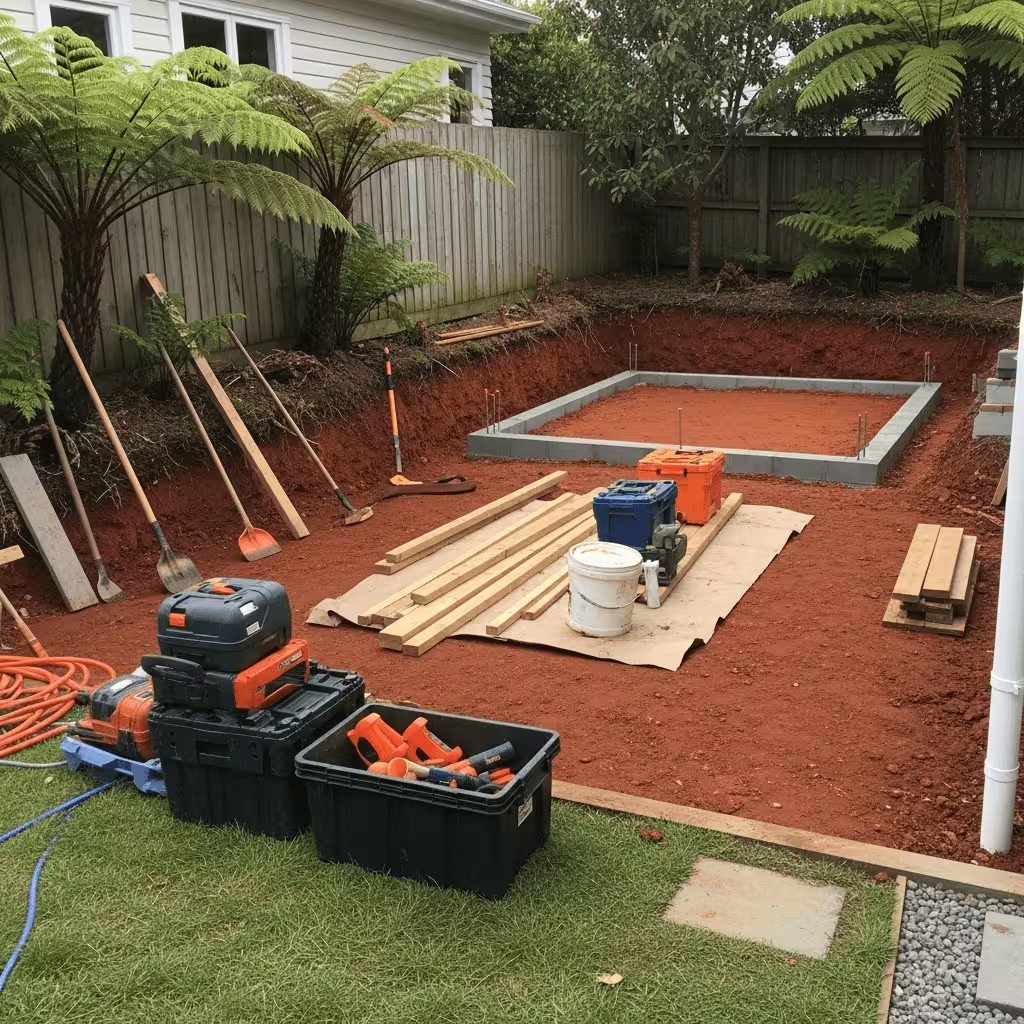
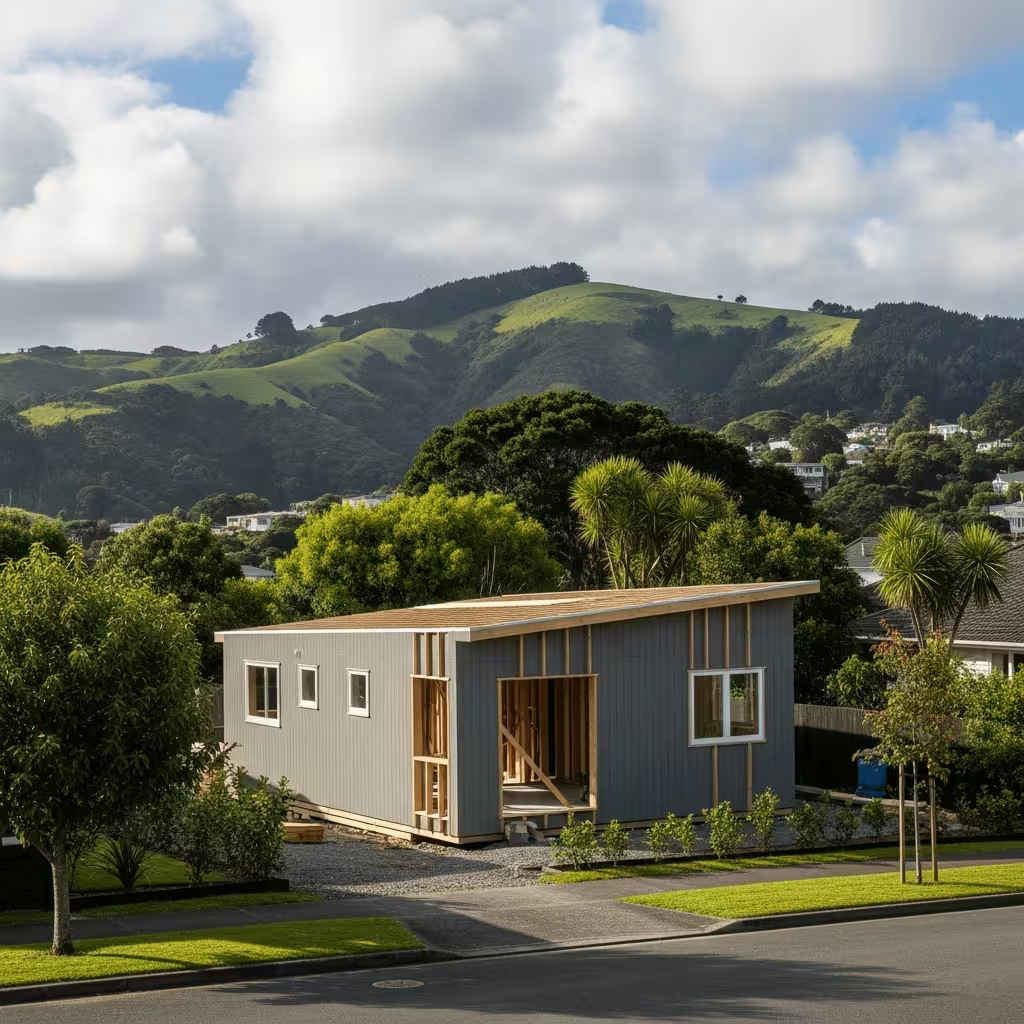
The cost to build a minor dwelling in Wellington ranges from NZ$200,000 to $300,000 as of 2025 for a basic 70-square-metre unit. This excludes site works and utility connections. Legislative updates from 2026 will further simplify processes by allowing consent-free builds for similar sized dwellings.
- Introduction
- Key Factors Influencing Costs
- Budgeting and Financial Planning for Minor Dwellings
- Why Choose Clearcut Building Solutions for Your Minor Dwelling Project
- Frequently Asked Questions
- What is the average cost to build a minor dwelling in Wellington?
- Are there any new regulations affecting the construction of minor dwellings?
- What are common additional expenses when building a minor dwelling?
- How can I best finance the construction of a minor dwelling?
- How long does it typically take to build a minor dwelling?
- Can I add a minor dwelling to any property in Wellington?
- What is the benefit of building a minor dwelling?
- Who can help with building a minor dwelling in Wellington?
Building a minor dwelling in Wellington is an exciting investment opportunity that appeals to property developers and homeowners alike. With escalating demand for additional living spaces, these small-scale units, also known as granny flats, present an ideal solution. As of 2025, the cost to establish a modest 70-square-metre unit ranges between NZ$200,000 and $300,000, not inclusive of site work and utility connections. Significant regulatory changes taking effect from early 2026 are anticipated to simplify the construction process, allowing consent-free development for dwellings up to this size, further igniting interest in such projects.
Benefits of Minor Dwellings
Minor dwellings offer numerous advantages beyond their cost-effective nature. They can boost property value, provide a source of rental income, or house family members for a more connected living experience. For individuals in Wellington, where housing markets are perpetually evolving, these units can provide much-needed space without the extensive overhead associated with larger construction projects. The potential return on investment from both short-term rental possibilities and long-term value appreciation makes them an attractive option to explore.
Understanding Regulatory Changes
Recent amendments to Wellington’s building regulations represent a pivotal shift in minor dwelling construction. New rules set to commence in the first quarter of 2026 will allow for consent-free construction of structures up to 70 square metres. This simplifies the process significantly, enabling quicker project initiation and cost savings. Clearcut Building Solutions, based in Wellington, is poised to help navigate these changes, ensuring projects not only comply with evolving standards but also maximize cost-efficiency.
With expertise and local insight, Clearcut Building Solutions assists clients in overcoming regulatory hurdles and delivering quality construction services. Partnering with a knowledgeable firm is essential, particularly as these legislative revisions come into play. Understanding both the financial and procedural aspects lay the groundwork for successful minor dwelling projects in Wellington.
Key Factors Influencing Costs
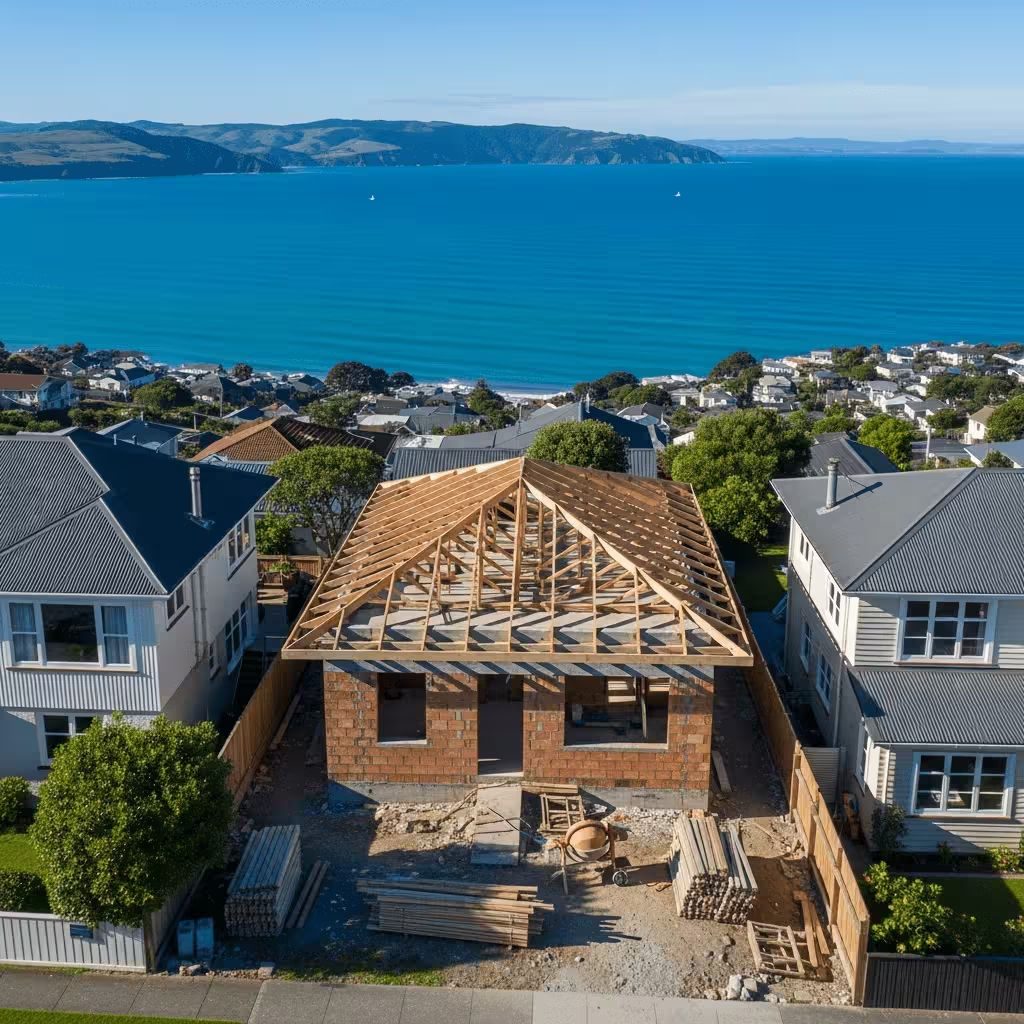
Building a minor dwelling in Wellington involves several variable costs that must be carefully assessed to ensure budget accuracy. Understanding these factors is essential for anyone considering such a project. Costs can vary significantly based on choices involving materials, labour, and planning, all while navigating Wellington’s unique landscape and municipal regulations.
Materials and Quality
The choice of materials plays a pivotal role in the overall cost of constructing a minor dwelling. Opting for high-quality, sustainable materials will usually result in a higher initial expenditure but can provide long-term savings and environmental benefits. Materials like timber, concrete, or steel should be chosen based on durability, climatic conditions in Wellington, and aesthetic preferences. Moreover, price fluctuations in the global market can directly impact material costs. Builders often find that sourcing local materials can mitigate some of these expenses while supporting local industries. Clearcut Building Solutions emphasises the integration of quality materials tailored to clients’ needs and environmental conditions, ensuring structures are both cost-effective and lasting.
Labour and Construction
Labour costs constitute a substantial portion of building expenses. The availability and skill level of labourers in Wellington are crucial factors affecting budgetary outcomes. Skilled professionals may demand higher wages, reflecting the expertise required to meet architectural and regulatory standards. On-site conditions also influence labour costs; for example, challenging topography or limited access to the site can increase the time and resources needed, thus elevating expenses. It’s vital to coordinate with reputable builders who understand local labour markets and can efficiently manage construction teams, thereby optimising both cost and quality.
Planning and Regulations
In Wellington, there are specific planning and regulatory requirements that impact the cost and feasibility of constructing a minor dwelling. Obtaining permits, adhering to zoning laws, and ensuring compliance with the Building Act and Resource Management Act (RMA) involve careful navigation. These processes can be complex and time-consuming, requiring detailed planning and expert consultation. Unforeseen delays or requirements can lead to increased costs. Early and thorough planning, possibly engaging professionals like architects and project managers who are experienced with local legislation, can help streamline this phase and mitigate additional expenses. Being proactive about regulatory compliance is not only necessary for legal reasons but also for avoiding unnecessary financial pitfalls.
Site-Specific Conditions
Every building site in Wellington presents unique conditions that can influence construction costs, such as soil quality, slope gradient, and exposure to environmental elements. Sites may require additional foundation reinforcement or specialised drainage solutions, impacting the overall budget. It’s important to conduct a thorough site assessment, which can uncover potential issues that must be addressed before construction begins. This proactive step can assist in creating more accurate cost estimates and prevent unexpected financial burdens during the building process.
Budgeting and Financial Planning for Minor Dwellings
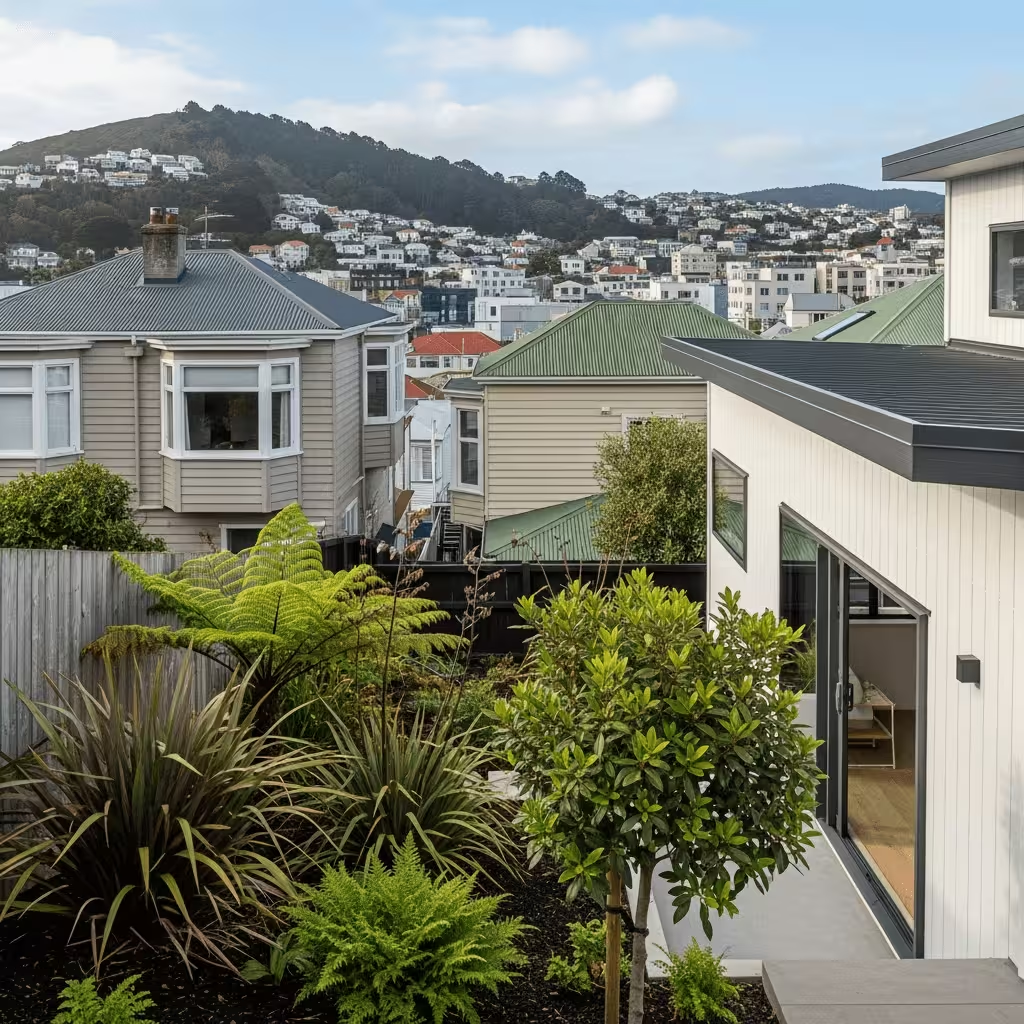
Delving into the intricacies of budgeting for minor dwellings, it is essential to establish a comprehensive financial plan that encompasses every project stage, from initial design to final occupancy. A well-thought-out budget not only helps in controlling costs but can also identify potential financial risks and areas for cost savings. This process requires a keen understanding of the various expenditures associated with building a minor dwelling in Wellington.
Developing a Comprehensive Budget
Creating a detailed budget begins with an accurate estimate of the project’s basic costs, including materials, labour, and any necessary planning permissions. Engaging with professionals such as architects or quantity surveyors can provide valuable insights into realistic cost estimates. Additionally, it’s advisable to leave a contingency fund, often around 10-15% of the total budget, to accommodate unexpected expenses or changes. This safety net offers financial security and peace of mind, enabling project continuity in the face of unforeseen challenges.
Understanding Financing Options
Financing a minor dwelling project requires knowledge of various funding options available to potential homeowners in Wellington. Traditional mortgage pathways might be available for some, while others might explore alternative financing methods such as personal loans or construction loan facilities offered by banks. Each option comes with its own set of terms, interest rates, and requirements, making it crucial to consult with financial experts to choose the most beneficial option for your circumstances. This strategic financial planning helps in mitigating long-term financial burdens.
Cost Management Strategies
Effectively managing the costs associated with building a minor dwelling can lead to substantial savings. Implementing cost management strategies, such as selecting cost-effective materials or reducing waste, can have a significant impact on overall expenses. Working closely with contractors and suppliers to negotiate better prices and adhere to efficient building practices ensures the budget remains intact without compromising on quality. Regularly reviewing the budget and expenses against the project timeline can help in identifying any disparities early, allowing for timely interventions.
Integrating these budgeting and financial planning techniques positions you well to manage the financial implications of constructing a minor dwelling in Wellington. As you explore further, understanding why Clearcut Building Solutions offers unbeatable expertise in navigating the nuances of building costs will support your project’s success. The next section will delve into how this reputable company can guide you efficiently through the process.
Why Choose Clearcut Building Solutions for Your Minor Dwelling Project
When embarking on the journey of constructing a minor dwelling in Wellington, it’s crucial to partner with a builder who not only understands the local market but also delivers unmatched quality and service. Clearcut Building Solutions stands unparalleled as the ideal partner for your project. Our commitment to precision, transparency, and client satisfaction sets a new benchmark in the industry.
Experienced Local Experts
Based in Wellington, Clearcut Building Solutions harnesses over 20 years of industry experience, specifically within the local area. This deep-rooted presence in Wellington ensures our team possesses an intrinsic understanding of the unique challenges and opportunities presented by the region’s construction scene. We navigate local regulations and site-specific considerations with ease, offering a seamless building experience. Our status as NZ Certified Builders and Licensed Building Practitioners guarantees that every project meets the highest standards, delivering not just a house, but a well-crafted home.
What Sets Us Apart
The distinct qualities that differentiate Clearcut Building Solutions from competitors are our detailed precision and personalized service. From initial consultations to project completion, we prioritize clear communication and transparency, ensuring you are informed at every step. Professionalism is our hallmark, reflected in everything from our interactions to our construction outcomes. Proudly recognised among the top minor dwelling builders in Wellington, our approach is client-centric, tailoring solutions to fit specific needs and budgets. Our dedication to craft and client results in numerous satisfied clients who commend us for not only meeting but exceeding expectations.
Choosing Clearcut Building Solutions means choosing quality, reliability, and a partner committed to your project’s success.
In the next section, we delve into frequently asked questions to clarify any lingering uncertainties about the cost to build a minor dwelling in Wellington, ensuring you embark on your building journey with confidence and understanding.
Frequently Asked Questions
What is the average cost to build a minor dwelling in Wellington?
As of 2025, constructing a basic 70-square-metre minor dwelling in Wellington typically costs between NZ$200,000 and NZ$300,000. This estimate excludes site works and utility connections, which can also influence the final cost significantly.
Are there any new regulations affecting the construction of minor dwellings?
Yes, a recent regulatory change allows for consent-free construction of dwellings sized up to 70m², effective from the first quarter of 2026. This change is aimed at streamlining the building process for minor dwellings.
What are common additional expenses when building a minor dwelling?
Common additional expenses include site preparation, utility connections, and any required landscaping. These costs can vary based on the specific location and existing infrastructure.
How can I best finance the construction of a minor dwelling?
Financing options include personal savings, home equity loans, or financing provided by banks for construction projects. It’s crucial to compare interest rates and terms to find the best financial solution for your needs.
How long does it typically take to build a minor dwelling?
The construction of a minor dwelling usually takes between 3 to 6 months, depending on project complexity, contractor availability, and weather conditions in Wellington.
Can I add a minor dwelling to any property in Wellington?
While many properties are eligible, local zoning laws and property size will determine whether you can add a minor dwelling. Checking with the local council or a building expert before proceeding is essential.
What is the benefit of building a minor dwelling?
Minor dwellings provide flexible living arrangements, additional rental income, or space for family members. They are also a way to utilise underused land on your property effectively.
Who can help with building a minor dwelling in Wellington?
Clearcut Building Solutions in Wellington can provide expert guidance and services for constructing minor dwellings. Consulting with a professional ensures that you meet all regulatory and quality standards.
Key Insights
The typical cost to build a minor dwelling in Wellington—often termed a granny flat and sized between 30–70 sqm—ranges from approximately NZ$200,000 to $300,000 for a basic 70 sqm build. This price generally covers construction but does not necessarily include additional expenses such as site works, utility connections, or consent fees, which can add several thousands more. Notably, the cost per square metre for minor, custom or smaller homes tends to be higher, with Wellington’s steeper terrain and professional fees driving prices upward compared to some other regions.
Recent industry trends indicate growing popularity for prefab or kitset options, which may cost under NZ$150,000 for smaller footprints (around 30–40 sqm) but rise significantly as size or finish quality increases. In 2025, building in Wellington remains on the upper end of national cost averages due to land and labour factors, so budgeting upwards of NZ$3,500–$4,000 per square metre is recommended for accurate project planning[2][8].