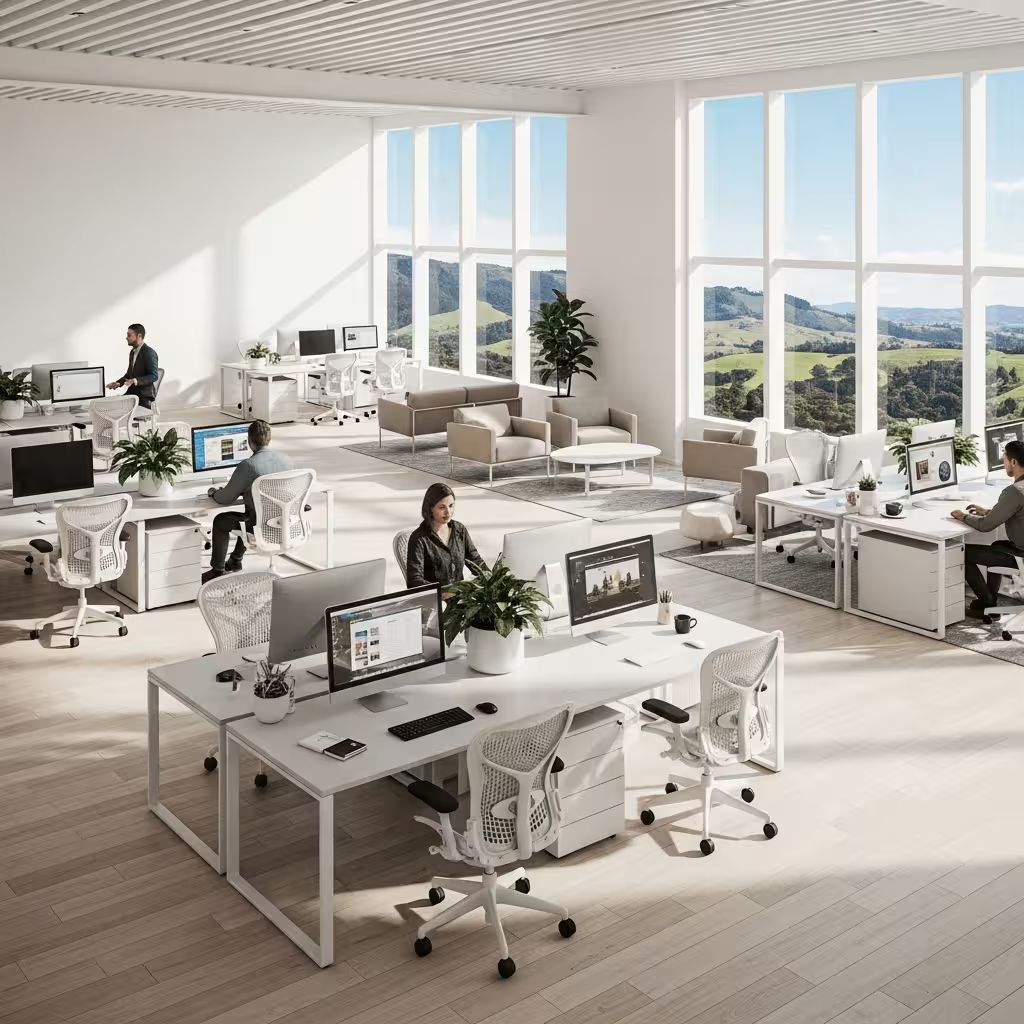
The top office fit-out trends in Wellington focus on hybrid-ready layouts, ergonomic workstations, and sustainable design. Businesses are shifting to flexible spaces that support both collaboration and remote work, while smart technology, natural light, and eco-friendly materials improve wellbeing and reduce operating costs. These modern fit-outs create productive, future-ready workplaces tailored to Wellington’s evolving business needs.
- Introduction
- In-Depth Analysis of Hybrid Workspaces
- Incorporating Sustainability in Office Fit-Outs
- Why Choose Clearcut Building Solutions for Your Office Fit-Out
- Frequently Asked Questions
- What are the essential elements of a modern office fitout?
- Why is ergonomic design important in office spaces?
- How do sustainable materials benefit office environments?
- What role does natural light play in office design?
- How does biophilic design impact employee wellbeing?
- What are the benefits of hybrid workspaces in office fitouts?
- How can smart technology enhance office functionality?
- Where can I find reliable office fitout solutions in Wellington?
The dynamics of modern workplaces are evolving rapidly, and among the key areas experiencing transformation is the approach to office fitouts. In Wellington, companies are increasingly shifting towards designs that accommodate hybrid work models, enhance user well-being, and meet environmental responsibilities. This shift reflects a broader understanding of what defines a productive and sustainable workspace.
Hybrid Workspaces
Hybrid work models are at the forefront of recent office fitouts, catering to teams that alternate between remote and in-office work. This has led to the integration of flexible layouts featuring modular furniture and collaboration hubs. Such arrangements allow businesses to reconfigure spaces quickly to support dynamic workflows, promoting both individual focus and team synergy. Clearcut Building Solutions in Wellington is staying ahead of these trends by offering customisable solutions for businesses adapting to the new normal.
Ergonomic Design
The emphasis on ergonomic design in office fitouts is driven by the increasing awareness of workplace health. Features like height-adjustable desks and ergonomic task seating play a critical role in reducing musculoskeletal risks and enhancing productivity. These elements are crucial in creating comfortable, healthy work environments where employees can thrive. Ergonomics not only improve physical health but also contribute to higher engagement and efficiency among staff.
Sustainable Practices
Sustainability has become a cornerstone of office fitouts in Wellington, with a growing focus on using eco-friendly materials and energy-efficient lighting systems. This approach aligns with New Zealand’s carbon reduction targets and reflects a commitment to environmental stewardship. By choosing sustainable solutions, businesses can not only reduce their environmental footprint but also benefit from cost savings over time through reduced energy consumption.
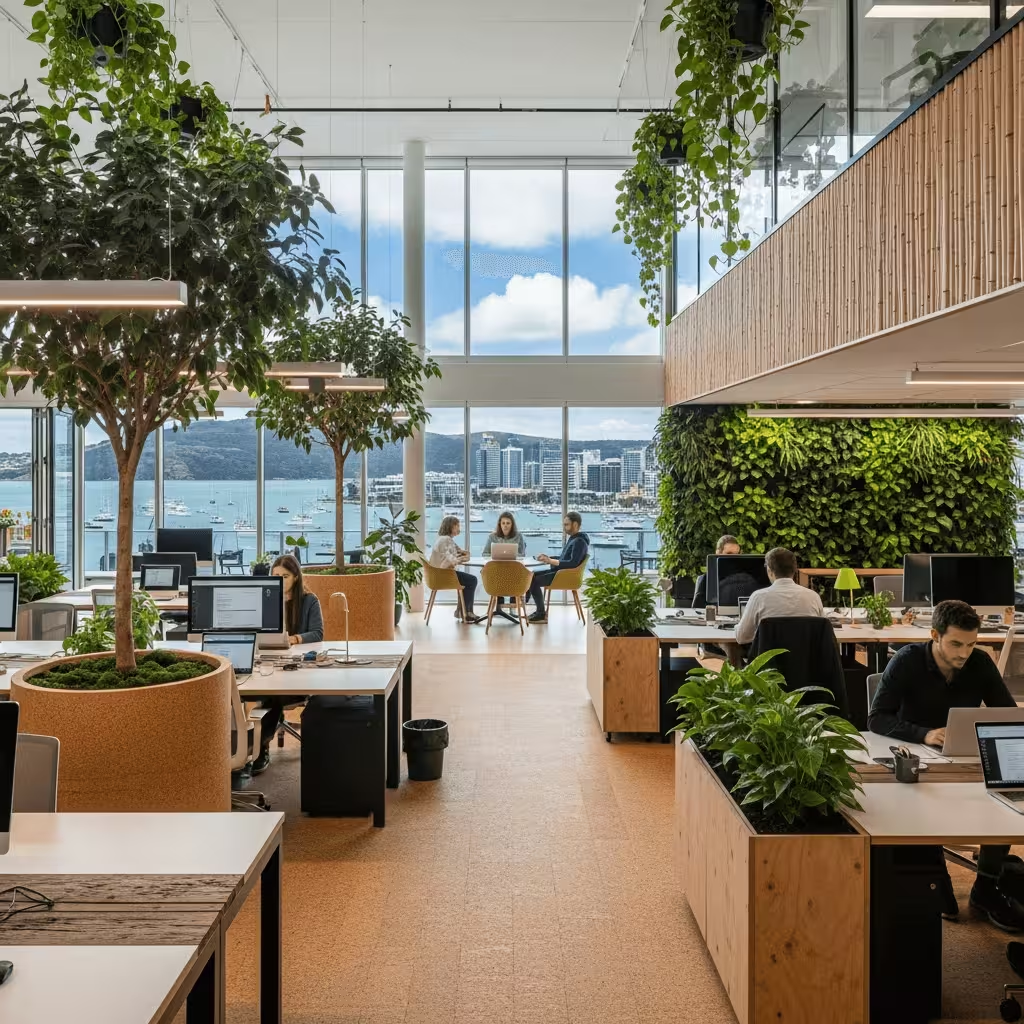
Biophilic design elements, such as the use of natural light and the incorporation of plant life, are likewise becoming prevalent. These design choices are known to promote mental well-being and create a serene work environment, which is especially important in the face of increasing work demands and mental health awareness.
In-Depth Analysis of Hybrid Workspaces
The evolution of office fitouts in Wellington is significantly shaped by the rise of hybrid workspaces, which bridge the gap between traditional office setups and the convenience of telecommuting. With organisations realising the importance of flexibility in enhancing employee satisfaction and productivity, the demand for hybrid workspaces has surged. These spaces are designed to be adaptive, multipurpose, and technologically integrated, enabling seamless transitions between in-office tasks and remote work. Clearcut Building Solutions has been at the forefront of this trend, offering tailored office fitouts that meet diverse client needs by integrating advanced connectivity solutions and flexible design elements, crucial for a dynamic workforce.
Design Principles for Hybrid Workspaces
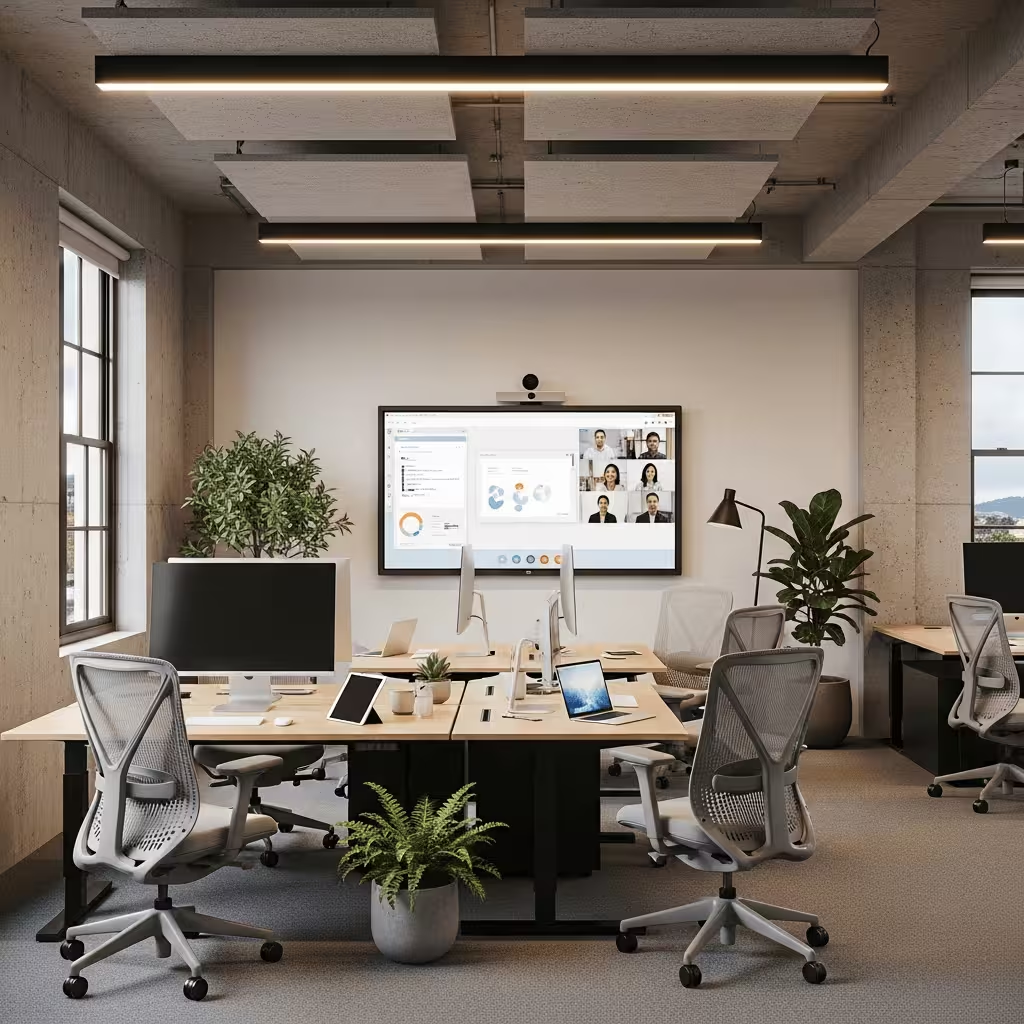
The design principles underpinning hybrid workspaces revolve around adaptability and functionality. Contemporary office fitouts increasingly feature modular furniture, such as collapsible desks and moveable partitions, which allow businesses to reconfigure spaces with ease. Ergonomic considerations remain paramount, ensuring comfort for in-office employees, while incorporating charging stations and video conferencing facilities addresses remote work needs. The aesthetic aspect is also critical, with biophilic design elements, like natural lighting and plant installations, enhancing the work environment. These design strategies not only facilitate hybrid work practices but also contribute to employee well-being and productivity.
Technology Integration in Hybrid Workspaces
Technology plays a pivotal role in the effectiveness of hybrid workspaces. Office fitouts today prioritise seamless technology integration to support digital collaboration and remote work. The implementation of high-speed internet, cloud-based communication tools, and smart meeting rooms equipped with interactive whiteboards is becoming standard. These features enable real-time collaboration between on-site and remote teams, fostering a cohesive work culture. In Wellington, many businesses are also adopting IoT devices for energy management and security systems, enhancing both functionality and sustainability in the workplace.
As businesses continue to adapt to the hybrid work model, the need for innovative office fitouts remains imperative. Understanding the underlying trends in design and technology integration is essential for creating workspaces that are not only efficient but also inspire creativity and teamwork.
Incorporating Sustainability in Office Fit-Outs
Sustainability has become a crucial consideration in modern office fitouts, driven by growing environmental concerns and corporate responsibility commitments. Businesses in Wellington are increasingly opting for eco-friendly designs that not only reduce their carbon footprint but also enhance the wellbeing and productivity of employees. Integrating sustainable practices into office designs can encapsulate a variety of elements including resource-efficient materials, renewable energy sources, and waste reduction strategies that align with broader sustainability goals.
Benefits of Sustainable Materials
Using sustainable materials is one of the most impactful ways to enhance the environmental profile of an office fitout. Materials such as reclaimed wood, recycled metal, and low-VOC paints minimise environmental harm by reducing toxic emissions and conserving natural resources. In Wellington, builders are often encouraged to select locally sourced materials to support the local economy and decrease transportation-related emissions. Sustainable materials not only contribute significantly to environmental conservation but also improve indoor air quality—a critical factor in promoting employee health and comfort.
Energy Efficiency and Renewable Sources
Office buildings are energy-intensive structures, which makes implementing energy efficiency measures a priority in sustainable office fitouts. Leveraging natural light, installing energy-efficient lighting and HVAC systems, and opting for smart building technologies can significantly cut energy consumption. In Wellington, where the natural landscape provides ample daylight, strategic window placements and reflective surfaces are often employed to maximise natural light penetration. Furthermore, integrating renewable energy sources such as solar panels can further offset energy use, contributing to a building’s overall sustainability and reducing long-term operational costs.
Waste Minimisation and Circular Economy
The concept of a circular economy is gaining traction in office fitouts, urging businesses to focus on waste minimisation throughout the design and operation phases. This could include implementing recycling programmes, reusing materials from previous projects, and designing spaces that can be adapted for future use to eliminate unnecessary waste. Wellington builders are increasingly collaborating with waste management experts to develop more holistic waste reduction strategies that align with both local regulations and global best practices. This approach not only protects the environment but also offers potential cost savings in waste handling and disposal.
As we delve deeper into how office fitouts can foster sustainable practices, it becomes clear that businesses like Clearcut Building Solutions stand out for their innovative approaches in Wellington. The subsequent section will explore why choosing Clearcut Building Solutions for your office fitouts can provide unparalleled advantages, focusing on their expertise in delivering sustainable, cutting-edge solutions tailored to modern business needs.
Why Choose Clearcut Building Solutions for Your Office Fit-Out
When considering an office fitout, it’s essential to select a partner who understands the local landscape and can deliver a workspace that meets both functional and aesthetic requirements. That’s where Clearcut Building Solutions comes in. Based in Wellington, New Zealand, this company not only brings over 20 years of industry experience but is also deeply committed to providing top-tier construction services. Their reputation for precision, transparency, and personalised service makes them an outstanding choice for any office transformation project.
Experienced Local Experts
Operating across Wellington and its surrounding regions, including Lower Hutt, Upper Hutt, Porirua, and the Kāpiti Coast, Clearcut’s expertise is demonstrated by their comprehensive understanding of local commercial building needs. Their status as NZ Certified Builders and Licensed Building Practitioners confirms their capability and commitment to high-quality craftsmanship. Choosing them ensures that you’re backed by local experts who are not only familiar with regulatory codes but also adept at customising fitouts to leverage Wellington’s unique architectural character.
What Sets Us Apart
Clearcut Building Solutions stands out from competitors because of its professionalism, reliability and proven expertise across commercial fitouts. Their team incorporates the latest design innovations and sustainable practices so your office becomes both highly functional and environmentally responsible. They communicate clearly throughout the project and provide detailed plans and updates so you always know what is happening on site. This careful approach to project management helps prevent delays, keeps budgets on track and supports genuine peace of mind from start to finish.
If you are considering an office upgrade, our commercial construction specialists can help you create a workspace that is modern, productive and designed to suit how your business operates. For a deeper overview of the full planning and construction process, you can also read our interior office fit-out guide which outlines everything involved in transforming an existing space into a high performing workplace.
In the upcoming section, ‘Frequently Asked Questions’, we’ll clarify some of your most common queries about office fitouts to provide additional guidance and assurance in your decision-making process.
Frequently Asked Questions
What are the essential elements of a modern office fitout?
A modern office fitout should incorporate flexible layouts, ergonomic design, sustainable materials, and smart technology to enhance productivity and wellbeing.
Why is ergonomic design important in office spaces?
Ergonomic design helps prevent musculoskeletal issues by offering adaptable furniture, such as height-adjustable desks, boosting employee comfort and reducing injury risks.
How do sustainable materials benefit office environments?
Utilising sustainable materials can significantly lower a building’s carbon footprint, comply with NZ’s environmental goals, and create healthier workplaces through less toxic emissions.
What role does natural light play in office design?
Natural light has been shown to improve mood, productivity, and overall wellbeing in office environments by reducing the strain from artificial lighting and increasing energy efficiency.
How does biophilic design impact employee wellbeing?
Biophilic design incorporates natural elements into office spaces, promoting mental health and reducing stress by creating a calming and aesthetically pleasing environment.
What are the benefits of hybrid workspaces in office fitouts?
Hybrid workspaces provide flexibility, enabling employees to collaborate efficiently or focus in solitude, supported by modular furniture and integrated technology for optimal functionality.
How can smart technology enhance office functionality?
Smart technology supports adaptive working conditions and connectivity through features like desk-sharing apps and sophisticated AV systems for seamless virtual and in-person interactions.
Where can I find reliable office fitout solutions in Wellington?
Clearcut Building Solutions in Wellington offers professional services that are aligned with the latest trends, focusing on functionality, sustainability, and cutting-edge technology for office fitouts.
Key Insights
Office fitouts in Wellington are increasingly centred on hybrid-ready layouts, with fewer fixed desks, more collaboration hubs, and multi-purpose rooms supported by reliable AV for mixed in-person/remote use.[3] Builders are reporting demand for flexible partitions, modular joinery, and reconfigurable furniture, allowing tenants to right-size floorplates as lease needs change.[3]
There is also a strong shift toward wellness and sustainability in Wellington office fitouts, including ergonomic workstations, acoustic control, quality lighting, and materials that support green building goals.[8] Local guidance stresses that careful attention to ergonomics, acoustics, and natural light is now a core expectation rather than a premium add-on in modern office refurbishments.[8]