Quick Answer: Light commercial construction covers smaller-scale building projects like cafes, medical clinics, childcare centres, small warehouses, and mixed-use buildings. In Wellington, these projects typically range from $1,000 to $5,000+ per square metre depending on the building type and compliance requirements.
Please note: All costs referenced in this guide are industry averages based on publicly available data and do not reflect the pricing by Clearcut Building Solutions. Every project is unique. For an accurate price tailored to your project, contact us for a free quote.
What’s in This Guide
- What Counts as Light Commercial Construction?
- Common Light Commercial Project Types
- Light Commercial Construction Costs
- Consent & Compliance Requirements
- The Light Commercial Build Process
- Wellington-Specific Considerations
- Why Choose Clearcut Building Solutions
- Frequently Asked Questions
What Counts as Light Commercial Construction?
Light commercial construction sits between residential building and large-scale commercial or industrial projects. It covers the physical construction, renovation, and structural modification of smaller commercial premises, typically buildings under 500 sqm that serve businesses, community organisations, or mixed-use purposes.
The key difference between light commercial and standard commercial construction is scale and complexity. Light commercial projects generally don’t require heavy structural steel, deep foundations, or complex multi-level engineering. They use many of the same building methods as residential construction but must meet stricter compliance standards for fire safety, accessibility, and commercial occupancy.
Light Commercial vs Heavy Commercial
| Feature | Light Commercial | Heavy Commercial |
|---|---|---|
| Building size | Under 500 sqm | 500+ sqm, multi-level |
| Structure | Timber frame, light steel | Structural steel, concrete |
| Examples | Cafes, clinics, daycares | Office towers, hospitals, malls |
| Timeline | 2 – 6 months construction | 6 – 24+ months |
| Builder type | Residential/light commercial LBP | Commercial-only contractors |
Common Light Commercial Project Types in Wellington
Cafes, Restaurants & Hospitality Venues
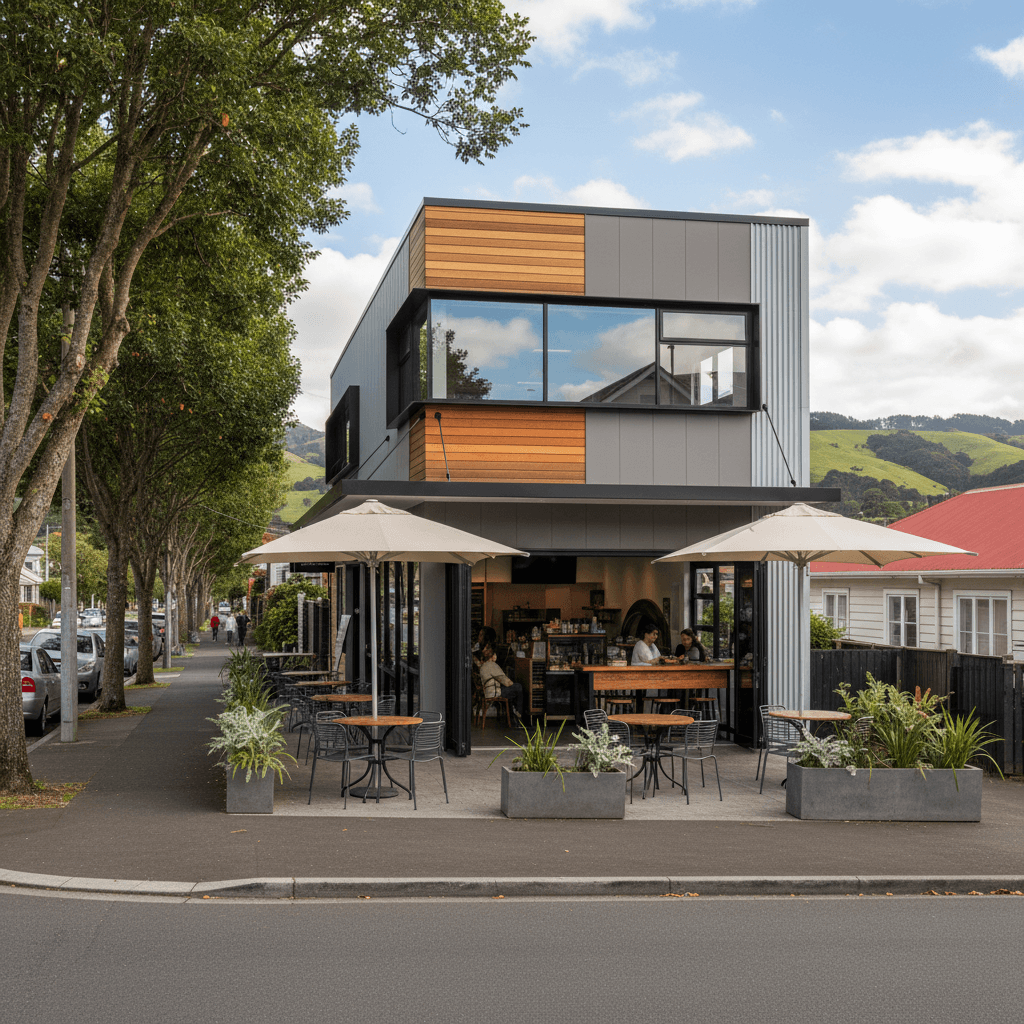
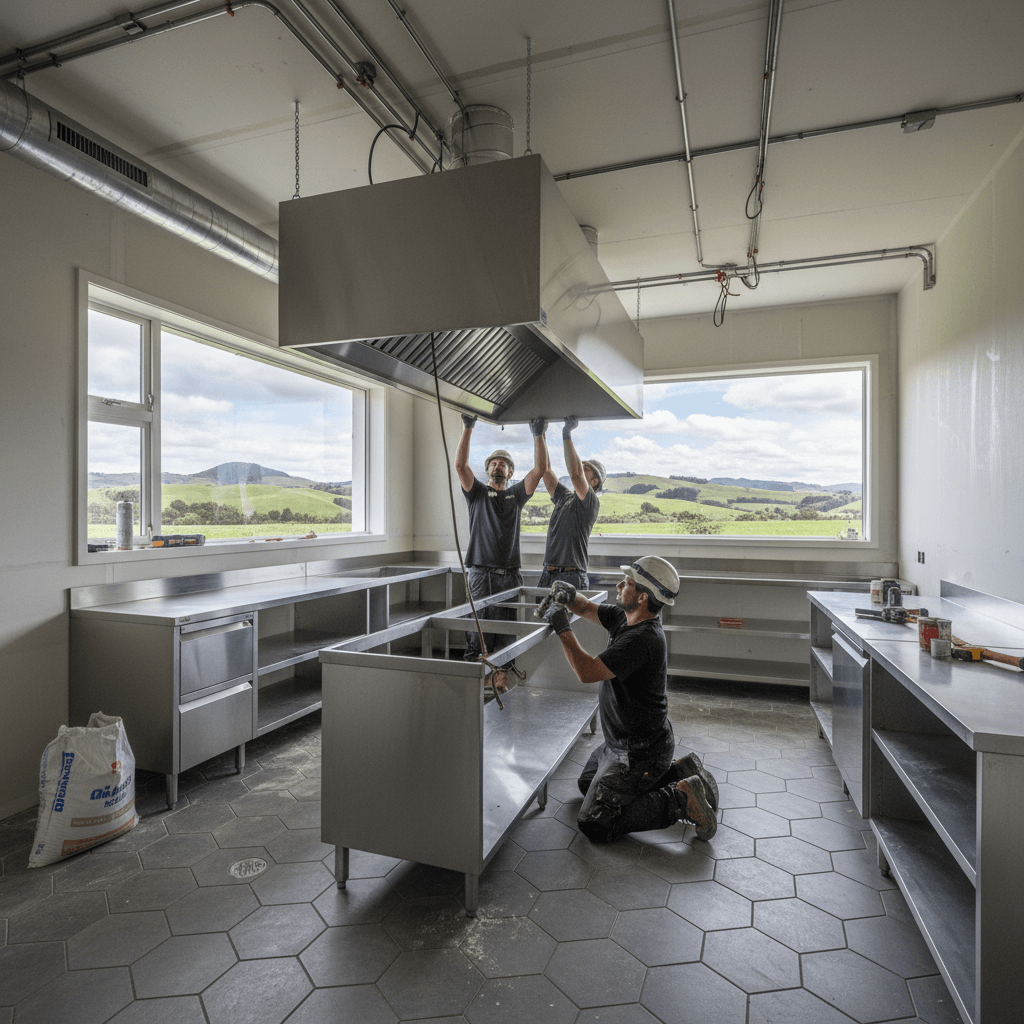
Hospitality construction goes well beyond the interior fit-out. The building work includes commercial kitchen extraction and ventilation systems, grease trap installation, fire-rated wall construction between kitchen and dining areas, accessible bathroom facilities, and structural modifications to meet commercial loading requirements. Wellington’s hospitality scene drives steady demand for these projects, particularly in the CBD, Courtenay Place, and suburban centres like Petone and Johnsonville.
Medical & Dental Clinics
Healthcare construction requires specialist building work including lead-lined walls for X-ray rooms, medical gas piping, enhanced ventilation systems, sterile room construction, and accessibility features that go beyond standard requirements. These are highly regulated builds that need a builder experienced with healthcare compliance.
Childcare Centres & Kindergartens
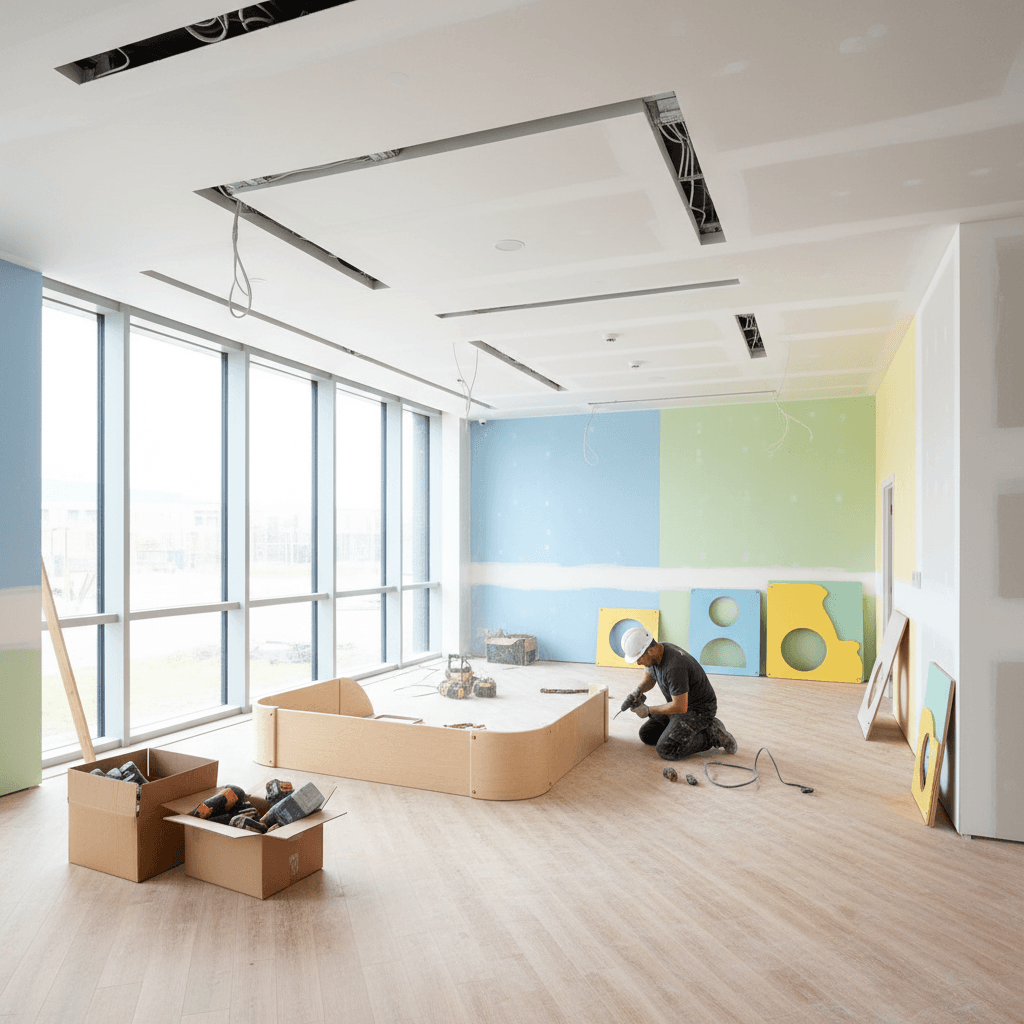
Early childhood education facilities have strict Ministry of Education requirements covering minimum floor area per child, outdoor play space, fencing, bathroom ratios, and natural lighting. Construction typically involves purpose-built or converted premises with child-safe materials, acoustic treatment, and outdoor covered play areas. We’ve delivered kindergarten upgrades across the Hutt Valley.
Small Warehouses & Trade Premises
Light industrial builds for trades businesses, storage operators, and small manufacturers. These projects focus on practical layouts with workshop areas, storage mezzanines, loading access, and combined office/warehouse spaces. Common in Lower Hutt, Seaview, and Porirua’s industrial areas.
Mixed-Use Buildings
Buildings that combine commercial ground floors (retail, office, hospitality) with residential above. These require careful management of fire separation, acoustic insulation between uses, and separate access routes. Increasingly common in Wellington as the council encourages intensification.
Change-of-Use Conversions
Converting a building from one use to another, such as a residential property to a commercial premises, or a retail space to a hospitality venue. These often involve significant structural and compliance work to meet the requirements of the new use, including upgrading fire systems, accessibility, and structural capacity.
Light Commercial Construction Costs in Wellington
Light commercial costs vary significantly by project type, primarily because the compliance and services requirements differ so much between a simple workshop and a medical clinic.
| Project Type | Cost Per Sqm | Key Cost Drivers |
|---|---|---|
| Small warehouse / workshop | $1,000 – $2,200 | Concrete slab, steel frame, basic services |
| Cafe / restaurant (shell build) | $2,000 – $4,000 | Commercial kitchen, extraction, fire rating |
| Childcare centre | $2,500 – $4,500 | MoE requirements, outdoor areas, acoustics |
| Medical / dental clinic | $3,000 – $5,500 | Lead lining, medical gas, specialist ventilation |
| Mixed-use (ground floor commercial) | $3,000 – $5,000 | Fire separation, dual access, acoustic treatment |
| Change-of-use conversion | $1,500 – $4,000 | Structural upgrades, code compliance, services |
These figures cover the construction component. Budget separately for design and engineering (typically 8-15% of build cost), building consent ($3,000 – $10,000), and any specialist equipment or fixtures specific to your business.
What Pushes Light Commercial Costs Higher
- Seismic strengthening – Converting or renovating older Wellington buildings often requires structural upgrades to meet current earthquake standards, adding 20-40% to the project cost
- Fire systems – Commercial buildings have much stricter fire requirements than residential. Sprinklers, fire-rated walls, smoke detection, and emergency lighting all add cost but are mandatory for commercial occupancy
- Accessibility compliance – All new commercial buildings must meet NZS 4121 accessibility standards, including wheelchair access, accessible bathrooms, and appropriate signage
- Specialist services – Commercial-grade electrical, plumbing, HVAC, and data infrastructure cost significantly more than residential equivalents
Consent & Compliance for Light Commercial Builds
Light commercial construction has more compliance layers than residential work. Understanding these upfront prevents surprises and delays.
Building Consent
All light commercial construction requires building consent. Applications need detailed architectural plans, structural engineering, fire engineering reports, and specifications. Wellington City Council processing times range from 20 to 40 working days, though complex applications can take longer. Your builder should manage this process.
Resource Consent
You’ll likely need resource consent if your project changes the building’s use, increases traffic generation, affects parking, or sits in a zone that doesn’t permit the intended activity. Change-of-use projects (residential to commercial, retail to hospitality) almost always require resource consent.
Fire Engineering
Commercial buildings need a fire report from a qualified fire engineer. This determines fire-rated construction requirements, sprinkler needs, escape routes, smoke management, and fire alarm specifications. For smaller light commercial projects, an alternative solution using prescriptive code compliance may be possible and less costly.
Health & Safety
Commercial construction must comply with the Health and Safety at Work Act 2015. This includes a site-specific safety plan, notifying WorkSafe for projects over certain thresholds, managing contractor safety, and ensuring the finished building meets workplace health standards.
Code Compliance Certificate
At project completion, council issues a Code Compliance Certificate (CCC) confirming all work meets the building consent. For commercial builds, this involves final inspections covering structure, fire systems, accessibility, electrical, and plumbing. You cannot legally occupy the premises for commercial use without a CCC.
The Light Commercial Build Process
1. Feasibility & Brief
Define what you need the space to do, how many people will use it, any specialist requirements, and your budget. A good builder can provide early guidance on whether your budget aligns with your vision before you invest heavily in design.
2. Design & Engineering
Engage an architect or commercial designer and structural engineer. For Wellington projects, a seismic assessment is usually needed for any work on existing buildings. The design phase typically takes 4 to 8 weeks.
3. Consent Applications
Submit building consent (and resource consent if required). Allow 4 to 12 weeks depending on project complexity. Your builder should coordinate with council throughout this process to avoid delays from requests for further information.
4. Construction
Light commercial construction typically takes 2 to 6 months on site. Key stages include demolition/strip-out (if renovation), structural work, framing and envelope, services rough-in (electrical, plumbing, HVAC, fire), linings, and finishing. Regular progress meetings keep all stakeholders aligned.
5. Inspections & Handover
Council inspections occur at key stages during construction and at completion. Once the CCC is issued, the builder walks through the completed project with you, provides all documentation (warranties, maintenance guides, as-built drawings), and hands over the keys.
Wellington-Specific Considerations
Seismic Design
Wellington’s position on multiple fault lines means all commercial construction must meet current seismic design standards. New buildings are designed to 100% NBS (New Building Standard). Existing buildings being renovated may need strengthening, particularly if the scope of work triggers an upgrade requirement. Buildings below 34% NBS are classified as earthquake prone and face mandatory strengthening deadlines.
Wind Zones
Wellington’s extreme wind zones affect exterior cladding, glazing specifications, signage, and roof fixings on commercial buildings. These are engineering considerations that an experienced Wellington builder factors in from the start.
Working in Operating Environments
Many light commercial projects happen while adjacent businesses continue operating. This requires careful staging, dust and noise management, maintaining access and fire egress for neighbouring tenants, and often working outside standard business hours. Experience with this kind of staged construction is essential for Wellington’s tight CBD and suburban commercial areas.
Why Choose Clearcut Building Solutions
Light commercial projects need a builder who understands both the construction and the compliance. Our commercial building service in Wellington covers everything from initial feasibility through to CCC, including consent management, trade coordination, and quality assurance at every stage.
We’ve delivered light commercial projects across the Wellington region, including kindergarten upgrades in the Hutt Valley, hospitality builds, healthcare fit-outs, and change-of-use conversions. We know the council process, the fire engineering requirements, and the practical realities of building commercially in Wellington.
As Licensed Building Practitioners, we take full responsibility for code compliance and workmanship. Every project is backed by clear timelines, transparent pricing, and regular communication so you know exactly where your project stands at every stage.
Frequently Asked Questions
What is the difference between light commercial and residential construction?
Light commercial construction uses many of the same building methods as residential but must meet stricter compliance standards. Commercial buildings require fire engineering, accessibility compliance (NZS 4121), commercial-grade electrical and plumbing, and often specialist ventilation or extraction systems. The consent process is more involved, and a Code Compliance Certificate is required before the premises can be occupied for business use.
How long does a light commercial build take?
Construction typically takes 2 to 6 months depending on the project scope. Allow an additional 2 to 3 months for design, engineering, and consent processing before construction starts. A simple workshop build might take 8 weeks on site, while a medical clinic or childcare centre could take 4 to 6 months.
Do I need a fire engineer for a light commercial project?
In most cases, yes. All commercial buildings need to demonstrate fire safety compliance, which typically requires a fire report. For smaller, simpler projects there may be a prescriptive (code-based) pathway that avoids full fire engineering, but this depends on the building type, size, and use. Your builder can advise on the most cost-effective compliance route.
Can I convert a house into a commercial premises?
Yes, but it requires both resource consent (change of use) and building consent. The building will need to be upgraded to meet commercial standards for fire safety, accessibility, structural capacity, parking, and services. Depending on the intended use, this can be a straightforward or complex process. A feasibility assessment with your builder before purchasing is strongly recommended.
What accessibility requirements apply to commercial buildings?
All new commercial buildings and significant renovations must comply with NZS 4121 (Design for Access and Mobility). This includes level or ramped access to the main entrance, accessible bathrooms, doorway widths of at least 810mm, appropriate signage, and accessible parking. These requirements apply regardless of the building size.
How do I minimise disruption to neighbouring businesses during construction?
An experienced commercial builder plans staged construction to manage noise, dust, and access impacts. Strategies include working outside business hours for noisy work, installing dust barriers, maintaining pedestrian access, coordinating deliveries to avoid peak times, and keeping neighbours informed of the schedule. In Wellington’s tight commercial areas, this kind of site management is essential.