

A leaky home can lead to substantial damage and costly repairs. Fixing a leaky home involves moisture inspections, structural repairs, and waterproofing. Understanding common signs and solutions is key to preserving property value, especially in Wellington where homes from the 1990s-2000s are affected.
- Introduction
- Recognising the Signs of a Leaky Home
- Preventive Measures for a Leak-Free Home
- Why Choose Clearcut Building Solutions for Fixing a Leaky Home
- Frequently Asked Questions
- What are the first signs that my home might be leaky?
- How can fixing a leaky home improve its value?
- What is the typical cost of repairing a leaky home in Wellington?
- When should I seek professional help for a leaky home?
- What are the risks of not repairing a leaky home?
- How long does it typically take to fix a leaky home?
- Can I claim insurance for repairing a leaky home?
- Is preventive maintenance enough to avoid leaks in the future?
Wellington homeowners are grappling with the persistent and often costly issue of leaky homes, a problem rooted largely in the construction styles of the 1990s and early 2000s. These homes often feature design and material choices that make them susceptible to moisture ingress, leading to significant internal damage over time. Understanding the signs of a leaky home and how to approach fixing a leaky home is crucial not just for the preservation of the property’s value but also for maintaining a healthy living environment.
Recognising the Signs
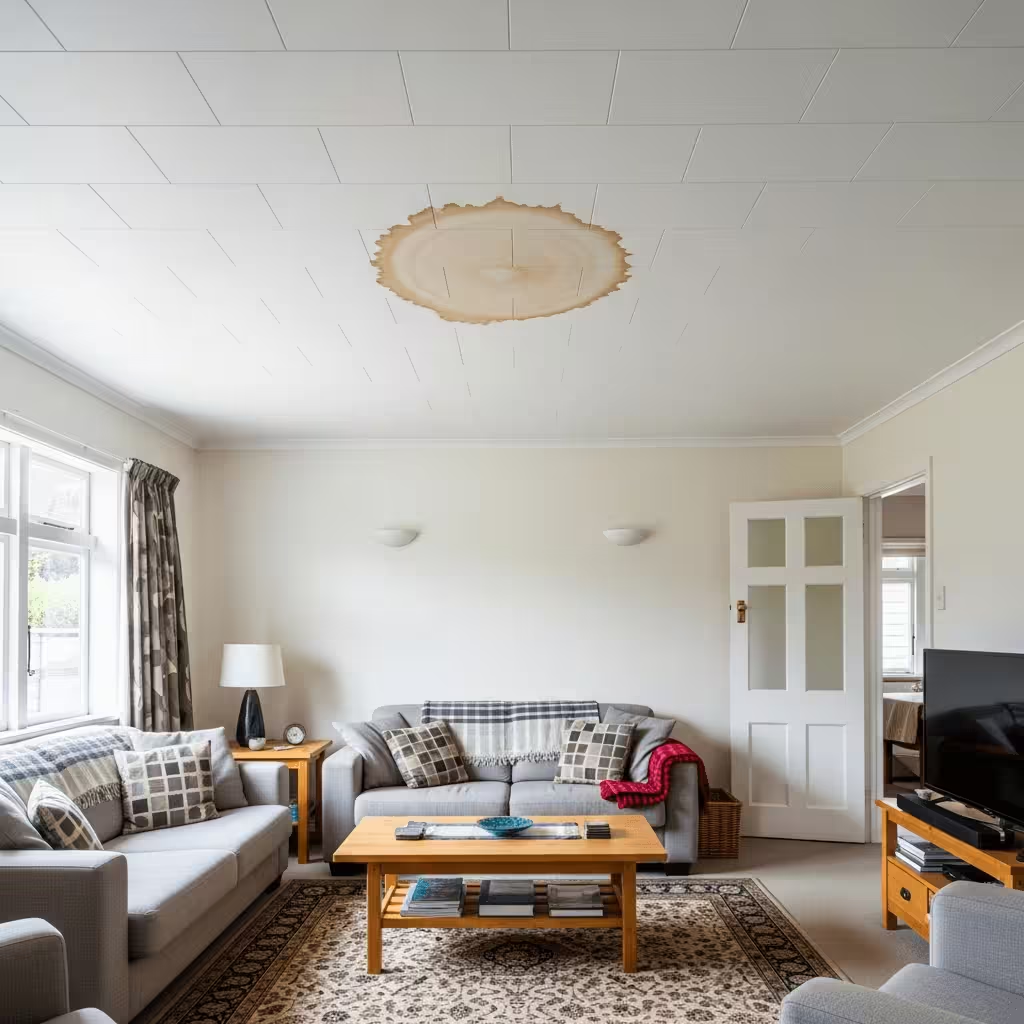
Spotting the signs of a leaky home early can save homeowners considerable stress and expense. Common indicators include visible water stains on ceilings and walls, persistent musty odours, and the presence of mould or mildew. Additionally, peeling wallpaper, swollen woodwork, and efflorescence, a white powdery residue on masonry or stucco, often signal moisture problems. Quick identification and response can mitigate further damage and protect the home’s structural integrity.
Understanding the Costs
Addressing issues linked to leaky homes inevitably involves financial outlay, but proactive repairs can prevent further expenses. In Wellington, costs for critical fixes such as roof repairs or replacement average around $400 per square metre, while recladding can reach up to $1,800 per square metre. In addition, plasterboard replacement is approximately $450 per square metre. These figures underscore the significant impact of not addressing moisture problems timely. Comprehensive planning can help effectively distribute these costs over time.
Professional Solutions
Leaky homes require professional interventions to ensure thorough and effective repairs. Engaging companies like Clearcut Building Solutions offers homeowners access to expert services such as comprehensive moisture inspections and tailored structural repairs. These professionals not only address the visible damage but also implement waterproofing and mould remediation techniques to secure the property against future challenges. Extensive industry experience positions professionals to achieve a durable fix, thus restoring the home’s insurability and market value.
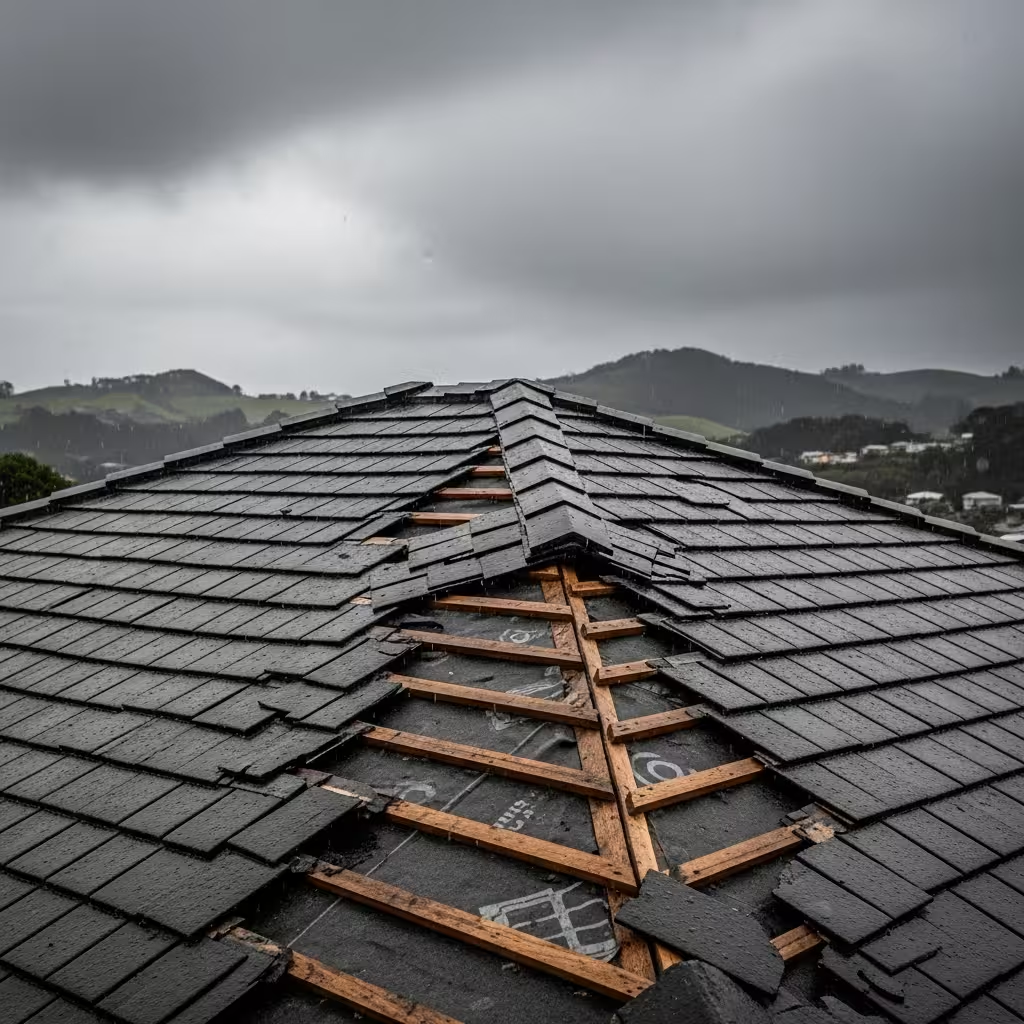
Recognising the Signs of a Leaky Home
Homeowners often overlook the subtle signs of a leaky home until the damage becomes extensive. By understanding these indicators, you can take preemptive steps to minimise harm and maintain your property’s integrity. Moisture ingress can not only compromise structural elements but also impact indoor air quality and foster unhealthy living environments. Prompt identification through regular inspections and keen observation can save considerable repair effort and cost.
Visual Indicators of Water Intrusion
One of the primary indications of a leaky home is visible water staining. These stains usually appear around windows, ceilings, and walls, often indicating that water is entering through compromised seals or gaps. Another sign can be paint or wallpaper bubbling and peeling, as these materials react to moisture exposure by expanding and separating from the surface. Inside closets or less frequently accessed areas, mould and mildew formation can be a clear indication of hidden leaks or condensation issues. It’s essential to conduct periodic checks of these vulnerable areas, especially after heavy rainfall.
Audible and Olfactory Signs
Not all signs of a leaky home are visible; sometimes, you might hear or smell them first. An unexplained musty odour can suggest hidden mould, a common consequence of persistent dampness. Listen for drips or trickling sounds within walls or ceilings, particularly during or after rainstorms. These sounds might point to water moving through the structure where it shouldn’t be. If you notice such signs, timely intervention can prevent significant water-related deterioration. Consulting with experts, such as Clearcut Building Solutions, ensures that these issues are professionally addressed.
Material Damage and Structural Concerns
The presence of excessive moisture can lead to wood decay, which directly affects the durability of your home’s framework. Cracks in the drywall, warped woodwork, or floors tilting are severe signs of long-term leakage that demand immediate action. Moreover, persistent damp can encourage insect infestations, which further undermine structural integrity. By prioritising an early assessment, you can effectively tackle these issues by employing targeted repair strategies and preventively protect vulnerable materials from moisture damage, enhancing the home’s lifecycle.
Preventive Measures for a Leak-Free Home
While recognising signs of leaks early is crucial, taking preventive action can save homeowners from costly repairs down the line. Implementing effective maintenance routines and making informed choices on materials and construction methods are foundational steps towards a leak-free home.
Regular Inspections and Maintenance
One of the most effective strategies to prevent home leaks is scheduling regular inspections. Professional assessments by companies like Clearcut Building Solutions can identify potential weak points in your home’s structure. Routine maintenance, such as checking roofing, flashings, and sealing around windows, can prevent moisture ingress. Furthermore, regular cleaning and unblocking of gutters ensure water is effectively channeled away, reducing the risk of leaks.
Material Quality and Construction Techniques
The quality of materials and techniques used in construction significantly impacts a home’s ability to resist moisture. Opting for high-quality, weather-resistant materials, particularly in areas prone to exposure, enhances durability. Techniques such as proper installation of waterproof barriers and adequate space planning can also contribute to safeguarding your home from leaks. Expert input during the renovation or building phase can prevent many common pitfalls associated with water ingress.
Environmental and Landscape Considerations
The environment around your home plays a pivotal role in preventing leaks. Landscape grading can direct water away from the foundation, while planting native vegetation can help manage water naturally. Understanding local climate patterns enables tailored home designs and planning that anticipate and combat moisture challenges, notably relevant in Wellington’s variable weather conditions.
Implementation and Assessment
Effectively implementing preventive measures requires assessment and planning. Consider engaging with building experts to evaluate existing conditions and suggest improvements tailored to your specific situation. Continual assessment post-implementation ensures that the measures are effective and adapts to any changes in environmental conditions or home modifications. These proactive steps are essential in maintaining a leak-free home.
Preventing leaks not only secures your home’s structural integrity but also enhances its value and comfort. In the next section, we’ll explore why Clearcut Building Solutions is your ideal partner for addressing any concerns related to fixing a leaky home.
Why Choose Clearcut Building Solutions for Fixing a Leaky Home
Selecting the right professionals for fixing a leaky home is crucial to ensuring the integrity and longevity of your property. Clearcut Building Solutions, located in Wellington, New Zealand, stands out as a premier choice for all your leaky home repair needs. As NZ Certified Builders and Licensed Building Practitioners, they bring over 20 years of industry experience, ensuring each project meets the highest standards of craftsmanship and communication.
Experienced Local Experts
Clearcut Building Solutions boasts a team of highly skilled professionals with intimate knowledge of the unique challenges presented by Wellington’s climate. Their local experience translates to a deep understanding of the specific environmental pressures that can exacerbate a leaky home. This local expertise means that when you choose Clearcut, you’re opting for builders who not only fix issues but employ preventative measures to ensure your home is protected long-term.
What Sets Us Apart
The unique qualities of Clearcut Building Solutions are what set them apart. Their commitment to transparency, with an emphasis on clear and consistent communication, ensures you’re informed at every step of the project. Their reputation for precision is built on decades of delivering projects on time and within budget, making them a trusted choice for homeowners throughout Wellington, Lower Hutt, and beyond.
Moreover, their comprehensive approach to services is unmatched. They provide not just quick fixes but sustainable solutions. Their recladding service in Wellington is a testament to their ability to handle complex projects with finesse, adding both aesthetic appeal and structural integrity to your home. For those interested in learning more about improving their home’s exterior, the guide to recladding a house offers valuable insights.
Choosing Clearcut Building Solutions guarantees reliability backed by positive client testimonies. Their portfolio of successful projects is a testament to the quality and satisfaction they consistently deliver.
In the following section, we will delve into frequently asked questions about fixing a leaky home, aiming to provide clarity and support for prospective clients considering remediation options.
Frequently Asked Questions
What are the first signs that my home might be leaky?
Initial signs of a leaky home often include visible mould, musty odours, peeling paint, or unexplained increases in your water bill. These indicate moisture infiltration that could lead to more extensive damage if untreated.
How can fixing a leaky home improve its value?
Addressing leaky home issues not only prevents further damage but can also significantly enhance your property’s market value. Prospective buyers are more likely to invest in a home that is watertight, structurally sound, and aesthetically pleasing.
What is the typical cost of repairing a leaky home in Wellington?
Repair costs can vary widely, but on average, gutter repairs start at $100 per metre, roofing costs about $400 per square metre, recladding can be $1,800 per square metre, and plasterboard replacement around $450 per square metre.
When should I seek professional help for a leaky home?
If you discover persistent or severe signs of moisture, such as significant structural damage or chronic mould issues, it’s crucial to contact a professional. Experts can perform comprehensive moisture inspections and provide solutions tailored to your home’s needs.
What are the risks of not repairing a leaky home?
Neglecting to repair a leaky home can result in extensive structural damage, reduced property value, health issues from mould exposure, and potential insurability problems. Prompt repairs are essential to mitigate these risks.
How long does it typically take to fix a leaky home?
The duration of repairs depends on the extent of the damage. Minor fixes might take a few days, whereas significant issues could require several weeks or even months to completely resolve.
Can I claim insurance for repairing a leaky home?
Insurance coverage for leaky home repairs varies and often depends on your policy’s terms and the cause of the damage. It’s advisable to review your policy and consult with your insurer to understand your options.
Is preventive maintenance enough to avoid leaks in the future?
While preventive maintenance greatly reduces the risk of leaks, it’s not a guaranteed solution. Regular inspections and timely repairs are crucial to maintaining a leak-free home over the long term.
Key Insights
Many Wellington homes built in the 1990s–2000s with plaster or monolithic cladding are at higher risk of leaks, especially in the city’s wind‑driven rain conditions, so signs like cracked exterior plaster, swollen skirtings, musty smells, stained ceilings, or sticky windows often point to hidden moisture and potential structural damage. [2] Fixing a leaky home now typically involves a staged, expert‑led process: independent weathertightness investigation and moisture testing, invasive opening‑up to confirm damage, targeted timber replacement, upgrading flashings and joinery, and often full recladding with modern ventilated systems designed for Wellington’s climate to restore insurability and value. [3]