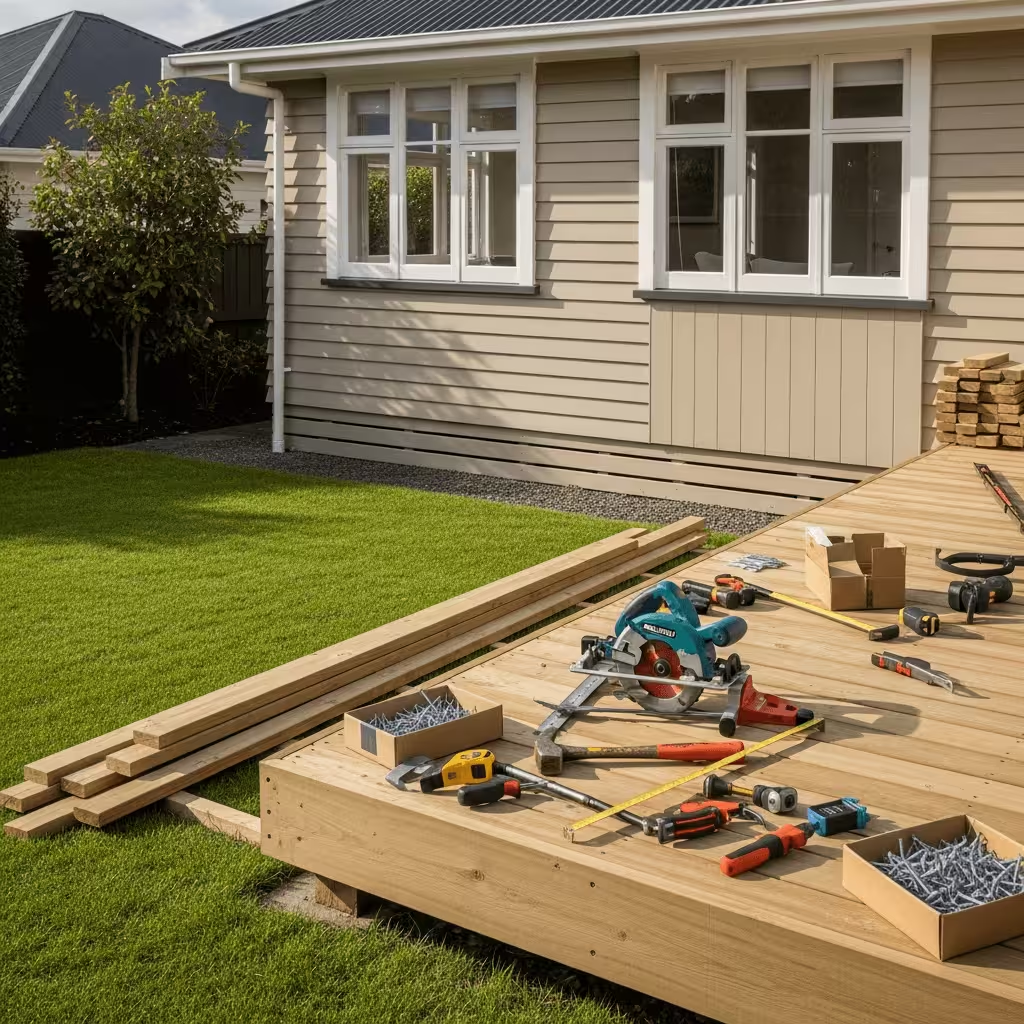
In New Zealand, building consent is generally not required for a deck if it is no higher than 1.5 metres above ground level and meets specific exemption conditions. Decks that exceed this height, include balustrades or stairs, or are attached in certain ways may still require consent, so requirements should always be confirmed before building.
- Introduction
- Navigating Building Consent Applications
- Common Pitfalls and How to Avoid Them
- Why Choose Clearcut Building Solutions for Deck Building Consent Needs
- Frequently Asked Questions
- Do I need building consent for a deck under 1.5m high?
- What are the penalties for not getting the necessary consent?
- Can I build a deck over a pipe or access point?
- What should I do if my deck exceeds 1.5m in height?
- How can I confirm if my property is in a consent-sensitive zone?
- Are there any special considerations for decks on sloped land?
- Can I attach my deck to an existing building without consent?
- Who can help me navigate the deck building consent requirements?
When planning to build a deck, determining whether you need consent is crucial to compliance with local regulations. In Wellington, New Zealand, the rules governing deck building consent requirements can be complex, often necessitating careful consideration of various factors. Clearcut Building Solutions, a local expert in deck construction, often advises homeowners to be fully informed of these requirements to avoid costly penalties. Building any structure without the proper permissions can result in fines reaching up to $200,000, underscoring the importance of adherence to regulatory standards.
Local Regulations and Exemptions
Understanding the local building regulations is essential for anyone considering constructing a deck in Wellington. The New Zealand Building Act provides certain exemptions that allow decks to be built without consent under specific conditions. For instance, decks that are freestanding and no higher than 1.5 meters above ground level typically do not require consent. These exemptions, however, come with nuanced stipulations. Structures must not be positioned over pipes or access points and should remain free of balustrades or fall protections if they are to remain exempt.
Complexities and Site-Specific Considerations
While the Act outlines basic criteria, the actual implementation of these rules can vary, especially in site-specific circumstances like sloped terrains or areas with retaining walls. Decks in these areas might still require consent despite adhering to general exemptions, due to potential structural or environmental impacts. Additionally, zones with heightened sensitivity such as floodplains may impose additional regulatory requirements. Therefore, it’s advisable to consult with local authorities, such as the Wellington City Council, to confirm these details and ensure all local requirements are met before proceeding with construction.
Expert Advice and Verification
Given the potential complexities involved in deck construction, seeking professional guidance can be beneficial. Companies like Clearcut Building Solutions in Wellington can offer invaluable expertise. Whether confirming site conditions or navigating the intricacies of regulations, professional input can ensure your project proceeds smoothly. Moreover, engaging experts early can help you avoid delays or unanticipated costs related to unpermitted work.
Navigating Building Consent Applications
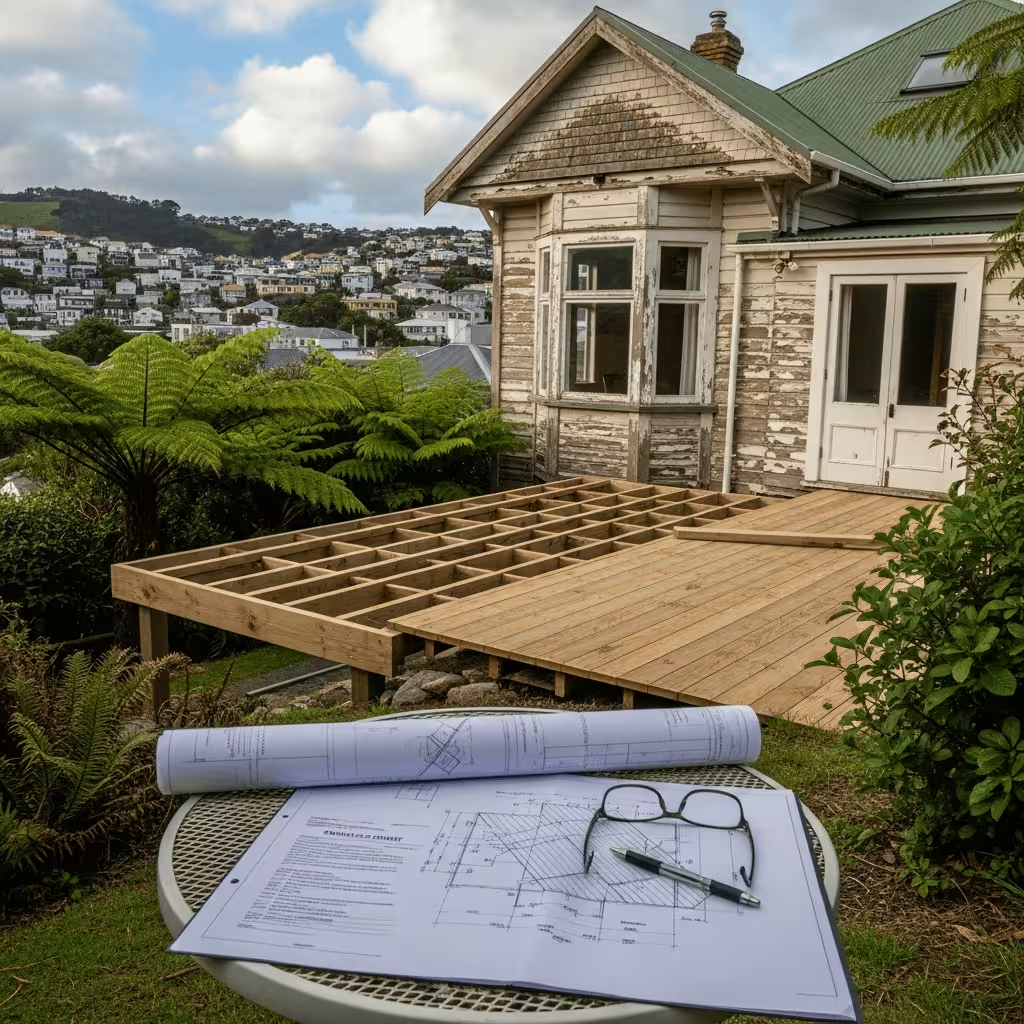
Securing a building consent for your deck construction project in Wellington involves understanding the intricacies of local regulations and presenting a well-documented application. The process might appear daunting at first, but armed with the right information, it becomes a manageable task. At the core of any successful building application is adherence to the Building Act 2004, which governs construction activities across New Zealand, ensuring safety and compliance with environmental standards.
Documentation Needed for a Consent Application
Preparing a thorough and accurate set of documents is paramount for a successful building consent application. These documents typically include detailed plans and specifications of the proposed deck, demonstrating compliance with the New Zealand Building Code. Applicants should ensure that all designs are meticulously drawn to scale, preferably by a qualified designer who understands the local zoning and environmental requirements. Any variance from these stipulations can delay the approval process, potentially impacting your construction timeline.
A part of the documentation is a site plan. This plan should delineate the position of the deck concerning property boundaries and existing structures, which helps in assessing the impact on drainage and sunlight. Additionally, comprehensive structural calculations illustrating the deck’s ability to withstand New Zealand’s weather conditions are non-negotiable. These components collectively facilitate a smooth validation process by local authorities, ultimately fortifying the application’s credibility.
The Application Process Explained
Beginning the application process for deck building consent requires engaging with Wellington’s local council. The first step involves submitting your completed application package, either physically or through the council’s online portal. This stage is crucial, as incomplete applications are returned without review. The portal offers a streamlined experience, allowing real-time tracking of application status and communication with council officers.
After submission, your application will be subjected to a comprehensive review, ensuring all components align with legal and safety standards. It often includes inspections from competent building officials to evaluate the structural integrity of the proposed deck design. Should the application meet all necessary criteria, a building consent will be granted, enabling you to commence construction legally. However, any inconsistencies or breaches in regulation can lead to requests for additional information or amendments, causing significant delays.
Utilising resources from organisations like Clearcut Building Solutions can simplify navigating these bureaucratic procedures, providing expertise and clarity through every step. Local professionals are better positioned to pre-emptively address potential issues, ensuring a swifter approval process.
Common Pitfalls and How to Avoid Them
Building a deck without fully understanding the consent requirements can result in delays, additional costs, or legal complications. Even though certain exemptions exist, many homeowners in Wellington overlook crucial details that lead to non-compliance, rendering their structures subject to enforcement action. Identifying these pitfalls early can save both time and resources.
1. Underestimating the Scope
One common mistake is underestimating the scope of what constitutes a significant alteration that requires consent. In Wellington, any deck that exceeds 1.5 metres in height often necessitates council involvement. Homeowners might assume smaller projects are automatically exempt, but the cumulative impact of changes can trigger additional requirements. It’s prudent to thoroughly evaluate whether features like balustrades or staircases alter the overall project scope beyond initial assumptions.
2. Incomplete Documentation
Documentation errors are a prevalent issue that can stall the approval process. Failing to provide accurate site plans, specifications, or engineer reports can lead to costly delays. Ensuring complete and precise documentation outlines not only legal obligations but also protects against future disputes. Investing time in assembling comprehensive files, possibly with the aid of a qualified architect or a consultation with a consent expert in Wellington, can avert potential setbacks.
3. Ignoring Local Regulations
Each region in New Zealand, including Wellington, can have specific bylaws reflecting local conditions and community standards. Ignoring these can lead to non-compliance. Regulations may address aspects like heritage site considerations or proximity to property boundaries. An oversight in acknowledging these regional nuances means homeowners might face the costly process of modifying or deconstructing non-compliant parts. Consulting with a local builder familiar with municipal guidelines, such as those at Clearcut Building Solutions, helps navigate these complexities efficiently.
4. Foregoing Professional Advice
Some homeowners attempt to navigate the consent process independently, thinking it will save costs. However, this is often a false economy. Seeking professional advice from experienced builders or consent advisors ensures compliance from the outset. These experts provide insights that are crucial in aligning with both the Building Act and local Wellington standards, safeguarding against violations that can lead to substantial fines or building cancellations.
Understanding these pitfalls provides a solid foundation for successful deck projects. The following section, “Why Choose Clearcut Building Solutions for Deck Building Consent Needs,” will explore how professional guidance can prevent these common issues and foster a streamlined construction experience.
Why Choose Clearcut Building Solutions for Navigating Deck Building Consent
When it comes to tackling the complex process of deck building consent requirements in Wellington, Clearcut Building Solutions should be at the top of your list. With more than 20 years of experience in both residential and light commercial construction, their team of expert builders brings a level of local knowledge and craftsmanship that sets them apart.
Experienced Local Experts
Clearcut Building Solutions combines decades of hands-on expertise with a thorough understanding of New Zealand’s unique building codes. Their strong presence in Wellington and neighbouring areas such as Lower Hutt, Upper Hutt, Porirua, and the Kāpiti Coast ensures they are always up-to-date with regional requirements. This local insight proves invaluable when navigating the intricate landscape of deck regulations and permissions. Moreover, as NZ Certified Builders and Licensed Building Practitioners, they commit to adhering to the highest standards in the industry, ensuring every project—large or small—adheres strictly to the necessary guidelines and specifications.
What Sets Us Apart
What distinctively positions Clearcut Building Solutions at the forefront is their unwavering commitment to precision, transparency, and personalised service. The company not only recognises the importance of a beautiful, functional deck but also understands the necessity for a seamless consent process free of unexpected hurdles. Their team is dedicated to clear communication and client satisfaction, consistently achieving successful outcomes. Whether you’re looking to enhance your outdoor space with a simple platform or an elaborate multi-level design, Wellington deck builders like Clearcut offer reliability that you can trust to deliver impeccable results every time.
Using professional intuition and a detailed approach, Clearcut Building Solutions ensures all deck projects proceed smoothly from start to finish. Their attention to detail not only facilitates the consent process but also guarantees that the finished structure will stand as a testament to their craft. This dedication is reflected both in their comprehensive service offerings and their proven track record of successful deck installations and satisfied clients. In our next section, we will delve into frequently asked questions, providing you with further clarity and assurance about deck building consent requirements.
Frequently Asked Questions
Do I need building consent for a deck under 1.5m high?
No, in Wellington, you do not need building consent for a deck that is freestanding and no higher than 1.5m, provided it does not include balustrades or fall protection systems. Always confirm with the Wellington City Council for any specific requirements that may apply to your property.
What are the penalties for not getting the necessary consent?
If you proceed without obtaining required consent, you could face penalties up to $200,000. It is crucial to follow the proper procedures to avoid legal consequences and potential safety issues.
Can I build a deck over a pipe or access point?
No, building a deck over pipes or access points can cause issues with future maintenance and repairs. Such constructions usually require special considerations or permissions.
What should I do if my deck exceeds 1.5m in height?
If your deck is more than 1.5m above the ground, you will need to apply for building consent. It’s advisable to consult with Clearcut Building Solutions for expert guidance on meeting the regulations.
How can I confirm if my property is in a consent-sensitive zone?
Check with the Wellington City Council to see if your property is in a consent-sensitive zone, such as a floodplain. These areas often have additional requirements that must be met before construction can begin.
Are there any special considerations for decks on sloped land?
Yes, decks built on sloped land or near retaining walls may require additional structural support and potentially a building consent due to the increased risk factors.
Can I attach my deck to an existing building without consent?
Attaching a deck to an existing building typically requires consent, especially if it alters the building’s exterior or structural integrity. You should always seek professional advice to ensure compliance.
Who can help me navigate the deck building consent requirements?
Clearcut Building Solutions in Wellington can provide expert advice and guidance through the complex process of meeting deck building consent requirements, ensuring your project complies with local and national regulations.
Key Insights
In Wellington, New Zealand, a building consent is not required for decks where it is not possible to fall more than 1.5 metres, even if the structure collapses, per Schedule 1 Exemption 24 of the Building Act 2004. Examples include low-level decks up to 500mm or 900mm above ground if the fall height stays under 1.5m, but safety barriers are mandatory under Building Code clause F4 for falls of 1m or more.[1]
Always verify with Wellington City Council for district plan rules like setbacks, site coverage, or resource consents, as these may apply regardless of building consent exemption. Decks exceeding 1.5m fall height require consent and barriers.[1][2]
References
[2]: https://clearcutbuilders.co.nz/deck-builder-wellington/