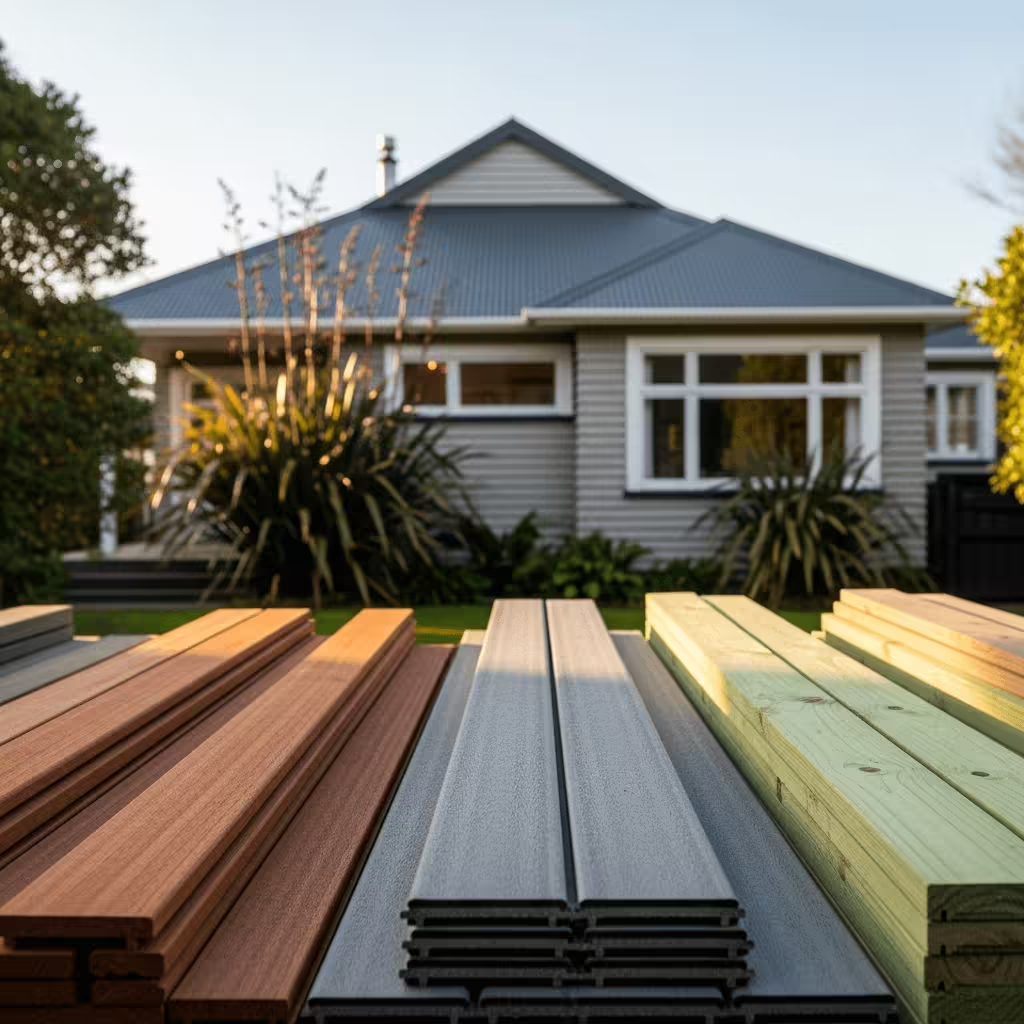
Choosing deck materials effectively involves understanding various options like timber, composite, PVC, and bamboo, each with distinct benefits and considerations like maintenance, durability, and environmental impact.
- Introduction
- Section 2: Timber and Its Varieties
- Composite and PVC: Modern Alternatives
- Why Choose Clearcut Building Solutions for Choosing Deck Materials
- Frequently Asked Questions
- What are the key factors to consider when choosing deck materials?
- Is timber a good choice for decking?
- How do composite and PVC decks compare to timber?
- Is bamboo decking environmentally friendly?
- What maintenance do composite decks require?
- Can I install a new deck on my own?
- What is the price comparison between different deck materials?
- How does Wellington’s climate affect decking choice?
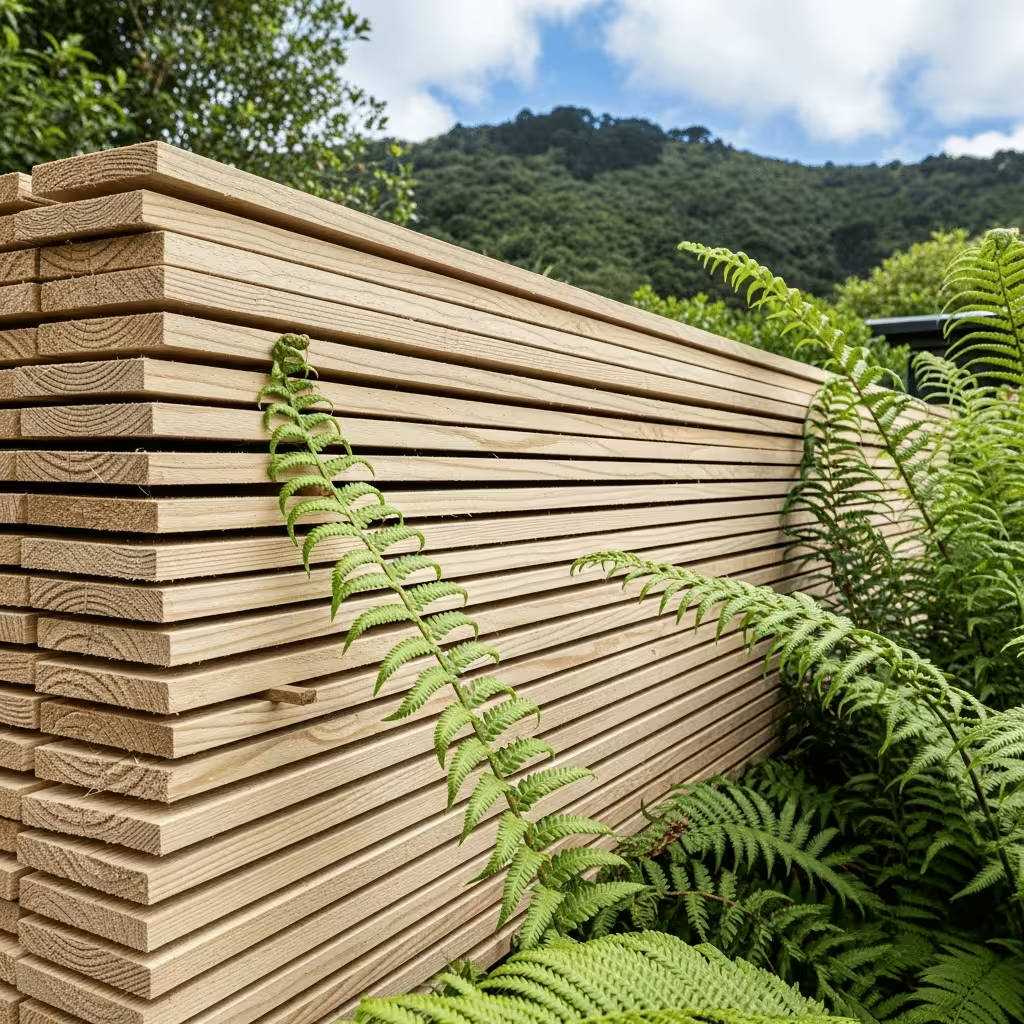
When it comes to choosing deck materials, the plethora of options available can be overwhelming. In Wellington, New Zealand, builders and homeowners alike often consider a range of materials, each offering unique attributes that can significantly influence the function and appearance of your outdoor space. Timber remains a classic choice, known for its natural beauty and warm aesthetic appeal. However, its need for regular maintenance to prevent weathering and decay makes it imperative to weigh this traditional favourite against more modern alternatives.
Explore the Benefits of Composite Materials
Composite materials have grown in popularity due to their low-maintenance requirements and exceptional durability. Constructed from a blend of wood fibres and plastic, composites are designed to resist rot, insects, and fading over time. This makes them an attractive option for those who seek longevity and ease of upkeep without sacrificing style. Additionally, composite decking is available in a variety of colours and textures, allowing homeowners to achieve the desired look that complements their home’s exterior.
Diving into PVC and Bamboo Options
PVC decking takes the low-maintenance appeal of composites a step further. Being entirely synthetic, PVC offers exceptional resistance to environmental factors without the risk of splintering or warping. Its lightweight yet sturdy construction makes it a suitable option for many homeowners. On the other hand, bamboo is emerging as an eco-friendly alternative. It’s sustainably sourced and boasts impressive strength, though at a higher price point. Its natural aesthetic appeals to those with a green conscience, making it a premium choice for environmentally conscious homeowners.
Considerations Based on Local Climate
The local climate plays a pivotal role in the decision-making process when selecting deck materials. In Wellington, factors such as humidity, exposure to sunlight, and coastal effects should guide choices towards materials that can withstand these conditions without compromising on structural integrity or appearance. For instance, while timber offers natural beauty, it may require more frequent sealing to combat the moisture prevalent in this region. Alternatively, the inherent resilience of composite and PVC materials may offer better performance and less maintenance in such environments.
At Clearcut Building Solutions, based in Wellington, New Zealand, understanding these nuances helps customise deck-building projects to align with both the aesthetic aspirations and practical needs of local clients. Whether it’s durability, maintenance, or sustainability, the right choice of deck materials is crucial to ensure satisfaction and peace of mind.
Section 2: Timber and Its Varieties
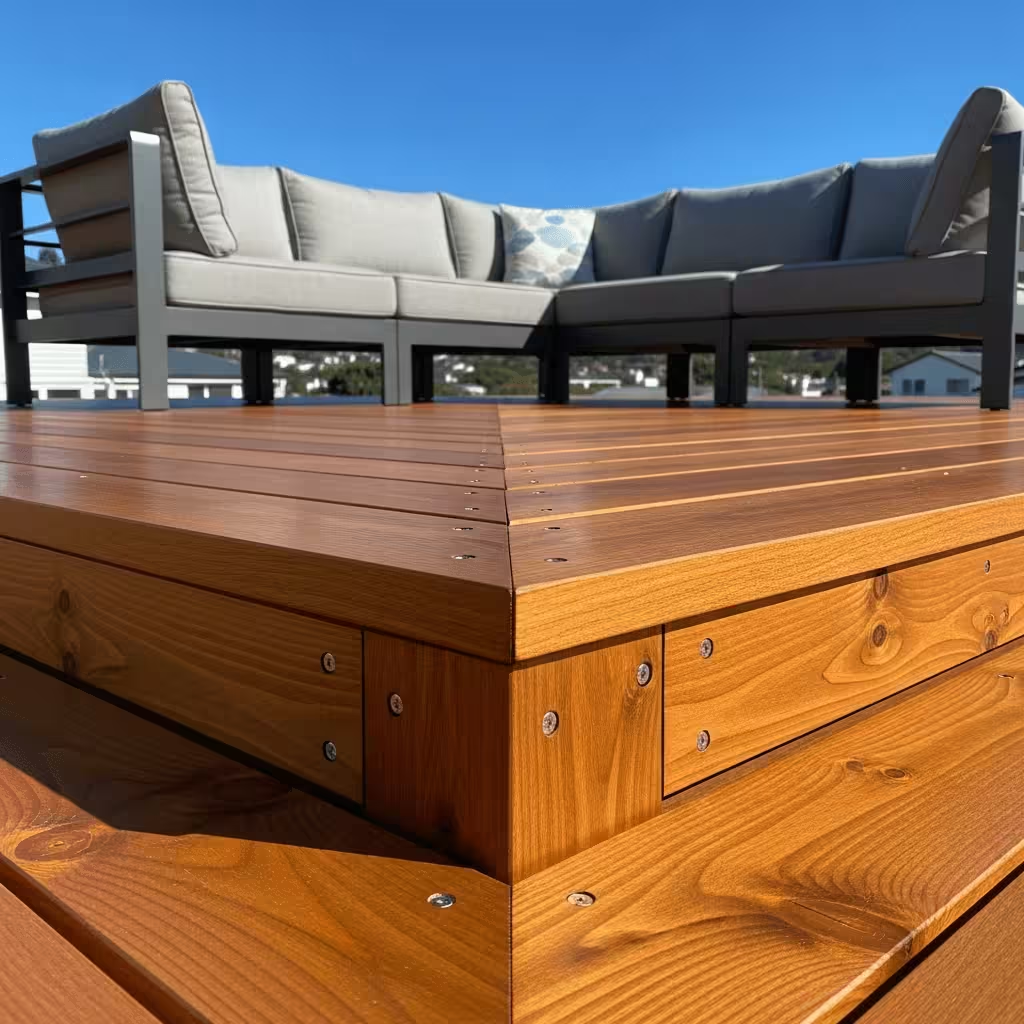
Timber remains a classic choice for decking due to its natural beauty and versatility. It seamlessly integrates with the landscape and enhances the aesthetic appeal of homes in Wellington, New Zealand. When choosing deck materials for your project, understanding the nuances of different timber types is crucial.
Hardwoods
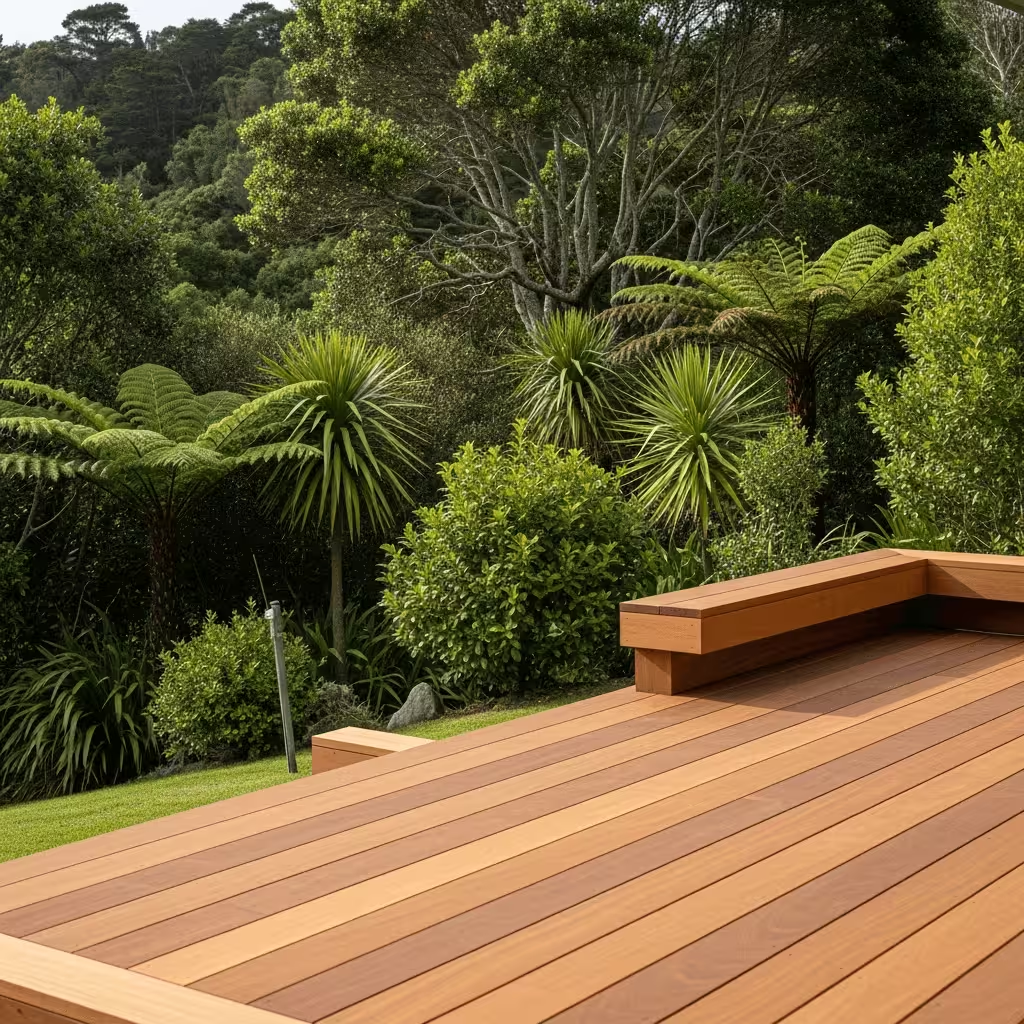
Recognised for their density and durability, hardwoods such as Jarrah, Merbau, and Spotted Gum offer resilience against the elements. While these options may come at a higher price point, their longevity and low maintenance make them a favourable choice for many homeowners. Jarrah, for instance, is celebrated for its rich, reddish-brown hues and resistance to damage from insects and moisture, making it ideal for areas with high humidity or more exposure to rain. With proper care, hardwood decks can last for decades, providing a return on investment through sustained beauty and robustness.
Softwoods
Softwoods like pine and cedar offer a more cost-effective alternative without sacrificing quality. Pine, especially when treated, withstands environmental pressures well, being naturally light, it’s easy to work with and quick to install. Cedar, on the other hand, is revered for its natural oils that deter insects and decay, alongside a charming natural aroma. While they may require more regular maintenance compared to hardwoods, such as sealing or staining, their upfront affordability and warm aesthetics make them a popular choice for budget-conscious projects.
Eco-friendly Options
The growing awareness around sustainable building practices has led to an increased interest in eco-friendly timber alternatives like bamboo and reclaimed lumber. Bamboo, though technically a grass, is celebrated for its rapid growth and strength, offering a sustainable choice without compromising on durability. Reclaimed timber, sourced from old structures and repurposed for new projects, not only supports sustainability but also adds a unique character through its weathered look and history. These options appeal to environmentally-conscious homeowners and can significantly mitigate the environmental impact of new construction projects.
Local Considerations
When selecting timber for your deck, local climate and environmental factors cannot be overlooked. Wellington’s coastal climate, characterised by salty air and occasional high winds, necessitates materials that can endure these conditions. It’s advisable to opt for timber varieties that are naturally resistant to these elements or can be treated for added protection. Consulting with experts like Clearcut Building Solutions ensures you’re making informed decisions tailored to local conditions, maximising both the lifespan and enjoyment of your deck.
Composite and PVC: Modern Alternatives
As homeowners increasingly look for low-maintenance, durable decking solutions, composite and PVC materials have grown in popularity. These modern alternatives offer unique benefits that position them as viable choices compared to traditional timber. Composite and PVC decking are particularly advantageous for those living in climates like Wellington, New Zealand, where weather conditions can be particularly variable.
Composite Decking
Composite decking is crafted from a blend of wood fibres and plastic, providing a product that is as aesthetically pleasing as natural timber but significantly more resistant to wear and environmental damage. The combination results in a material that doesn’t warp, splinter, or rot, making it ideal for homeowners wanting a robust deck with minimal upkeep. Furthermore, its resistance to moisture and insects makes it a superior choice for regions with high humidity or rainfall, reducing the need for chemical treatments often required for natural wood.
One major advantage of composite decking is its variety in design. Many manufacturers offer an extensive range of colours and textures that mimic the appearance of different wood types, allowing for creative freedom in aesthetic expression. This feature means that homeowners can maintain the visual appeal of their outdoor spaces without the maintenance demands typically associated with wood decking.
PVC Decking
PVC, or polyvinyl chloride, decking is an entirely synthetic option that boasts exceptional durability and an even higher resistance to the elements than composite materials. Like composite, PVC decking does not succumb to moisture or insects, making it particularly useful in coastal or humid environments. Its non-porous surface also means it’s highly resistant to stains and scratches, providing longevity and aesthetic preservation.
An additional benefit of PVC decking is its light weight, which can simplify the installation process and potentially reduce installation costs. Manufacturers such as Azek and Trex have further innovated within the PVC market, offering products with enhanced slip resistance, a critical factor for safety, especially in wetter climates. These modern advancements ensure a deck that is not only practical but also safe for use throughout the year.
Environmental Considerations
Both composite and PVC decking options are often lauded for their environmental benefits. Many composite decks are produced using recycled materials, contributing to sustainability by reducing landfill waste. Moreover, their long lifespan means fewer resources are consumed over time compared to materials that require frequent replacement and maintenance.
PVC, while not always as eco-friendly in production due to its reliance on petrochemicals, generally boasts a longer lifespan than natural wood. This longevity translates to fewer replacements, which can equate to less environmental impact over the life of the deck. Additionally, some manufacturers are making strides by integrating recycled PVC into their products, further enhancing their eco-friendly credentials.
By understanding the strengths and weaknesses of composite and PVC decking, homeowners can make informed decisions that balance performance, aesthetics, and environmental impacts to suit their specific needs and preferences.
Transitions into Section 4: Clearcut Building Solutions knows how pivotal choosing the right deck materials is, especially given New Zealand’s diverse climate. Their expertise can guide you in tailoring your deck to withstand Wellington’s unique conditions, ensuring quality, durability, and value.
Why Choose Clearcut Building Solutions for Your Next Deck Building Project
Nestled in the vibrant cities and scenic landscapes of Wellington, New Zealand, Clearcut Building Solutions stands as a beacon of excellence in the builders sector. When it comes to choosing deck materials for your home, our expert team draws from over 20 years of industry experience, providing local insights and bespoke solutions that ensure your deck is as enduring as it is aesthetically pleasing.
Experienced Local Experts
Our team, proudly based in Wellington, understands the unique climate and architectural needs of the region. We’ve mastered the delicate balance between aesthetic appeal and practical durability for decks facing Wellington’s distinct weather patterns. Our licensed builders, certified by NZ Certified Builders, are seasoned in creating structures that accommodate local conditions while reflecting your personal style.
Clearcut Building Solutions is renowned for precision and transparency. This commitment underscores every project we undertake, ensuring that you receive not just a product, but a crafted space that enhances your living environment. Our experience translates into a myriad of benefits that include using the most suitable materials like premium timber varieties or innovative composite options tailored for Wellington’s dynamic weather.
What Sets Us Apart
What makes Clearcut Building Solutions the preferred choice for deck material selection is our dedication to personalised service. Our relationships with clients don’t end upon project delivery; they evolve into lasting partnerships based on trust and satisfaction. Every project is a testament to our unparalleled craftsmanship and commitment to delivering results that exceed expectations.
Our expertise is complemented by close attention to client needs and a strong focus on using the right materials for each project. As a deck builder in Wellington, we can incorporate sustainable timber or specify durable composite decking solutions that align with your vision while supporting long-term performance.
Choosing Clearcut Building Solutions ensures you not only access top-notch building services but also gain a trustworthy partner in the journey to create your perfect deck.
In our next section, we’ll address any lingering queries about choosing deck materials with a helpful FAQ guide.
Frequently Asked Questions
What are the key factors to consider when choosing deck materials?
When selecting deck materials, consider factors such as durability, maintenance, cost, and suitability for the local climate. In Wellington, the weather can influence the longevity of your deck, so it’s important to choose a material that will withstand moisture and temperature variations.
Is timber a good choice for decking?
Timber is a classic choice offering natural beauty and warmth. However, it requires regular maintenance to prevent issues like rot and warping. It is a good choice if you are prepared for the upkeep and prefer a traditional look.
How do composite and PVC decks compare to timber?
Composite and PVC decks require less maintenance compared to timber. They are resistant to fading, staining, and scratching, making them durable options. Although initially more expensive, their longevity and low upkeep requirements can make them cost-effective over time.
Is bamboo decking environmentally friendly?
Bamboo is considered one of the most eco-friendly options as it is a rapidly renewable resource. It provides a harder surface compared to many timbers. However, it can be more expensive than other materials.
What maintenance do composite decks require?
Composite decks require minimal maintenance. Regular cleaning using soap and water is generally sufficient. They do not need sealing or staining like timber, reducing long-term care efforts.
Can I install a new deck on my own?
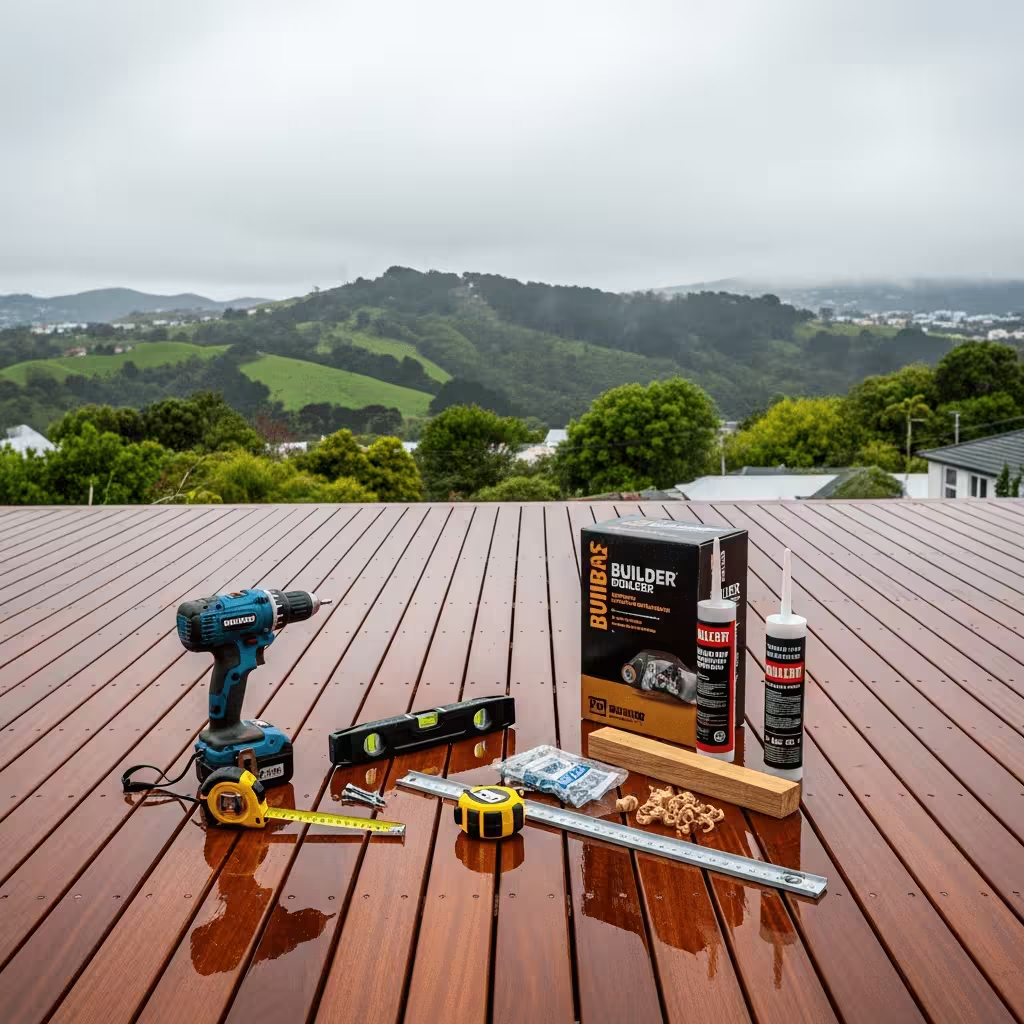
While installing a deck yourself can be a rewarding project, it often requires a high skill level and the right tools. For a professional finish, it might be best to hire experienced builders like Clearcut Building Solutions in Wellington.
What is the price comparison between different deck materials?
Prices vary with materials, with timber often being less expensive upfront but costly in maintenance. Composite and PVC have higher initial costs but are cheaper over time due to reduced maintenance needs. Bamboo has higher upfront costs due to its eco-friendly properties.
How does Wellington’s climate affect decking choice?
Wellington’s climate, with its occasional heavy rain and high humidity, can affect decking materials. Timber may warp or rot if not maintained, while composite and PVC materials resist moisture better, making them suitable for such environments.
Key Insights
Builders in Wellington typically choose between timber species like Kwila, Pine, Vitex, and Cedar, as well as composite, PVC, aluminium, and bamboo decking when selecting deck materials. Each option offers distinct advantages: timber provides a classic look but higher maintenance, while composite, PVC, and aluminium are more durable and require less upkeep. Climate is a key factor—moisture-resistant options like Vitex, composite, or PVC are suited to Wellington’s coastal conditions, whereas UV-resistant and insect-resistant materials like composite or treated pine excel in high-sun or damp areas. Eco-friendly choices such as bamboo and recycled composites are gaining popularity due to sustainability concerns. Aluminium decks, while more expensive, are favored for modern aesthetics and minimal maintenance[1][2].
Recent trends show a preference among Wellington builders for materials that resist corrosion, decay, and UV damage, given the region’s mix of high humidity, intense sunlight, and proximity to salt air. When choosing deck materials, consider local climate, maintenance requirements, budget, and desired aesthetics, as newer low-maintenance and sustainable options are increasingly supplementing traditional hardwoods[2].