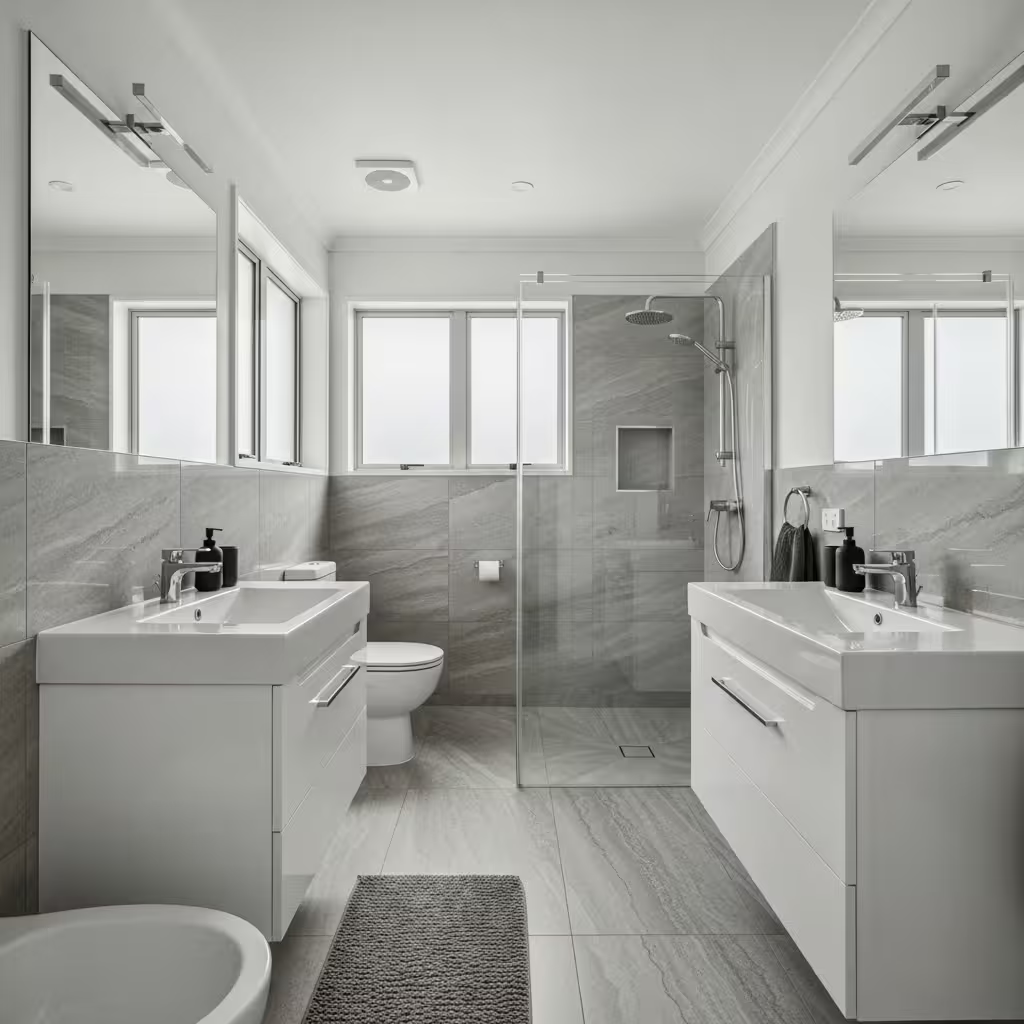
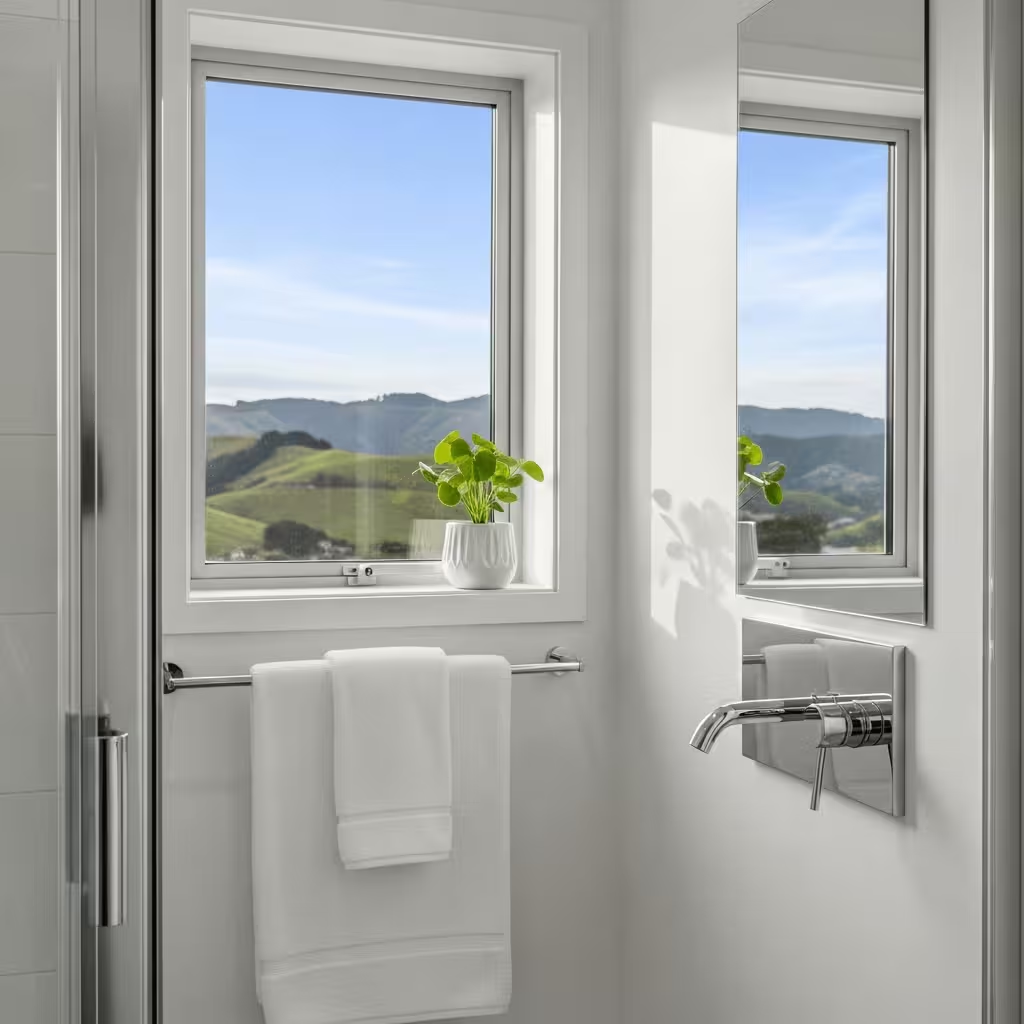
Fixing dampness with bathroom renovations involves implementing waterproofing, ventilation, and insulation. While upgrades can mitigate moisture in bathrooms, they rarely eliminate all home dampness alone, particularly in Wellington’s humid climate, highlighting the need for comprehensive moisture control strategies.
- Introduction
- Strategic Renovation Techniques for Improved Moisture Control
- How to Implement Cost-Effective Renovations for Damp Prevention
- Why Choose Clearcut Building Solutions for Effective Bathroom Damp Fixes
- Frequently Asked Questions
- How can bathroom renovations reduce dampness in my home?
- What is the importance of ventilation in bathroom renovations?
- Are there any specific materials recommended for bathroom renovations to address damp?
- Can a bathroom renovation alone fix a damp home?
- How long does a typical bathroom renovation take?
- Do bathroom renovations require building consent in New Zealand?
- Can renovations increase my property value?
- What budget should I plan for a bathroom renovation focused on reducing dampness?
Dampness in homes is a pervasive issue, especially in regions like Wellington, known for their humid and windy climate. Addressing this often starts with examining the potential of bathroom renovations. While these can be pivotal in reducing the moisture footprint of a home, they are not a catch-all solution for eliminating dampness entirely. The focus of this article is to explore how targeted updates in the bathroom can play a significant role in dampness reduction and what other measures are essential for comprehensive moisture management.
Understanding Moisture Control
To effectively combat dampness, it is crucial to understand the underlying principles of moisture control in home environments. Bathroom renovations in Wellington, executed by experts such as Clearcut Building Solutions, typically involve the integration of robust waterproofing methods. This not only includes sealing all potential water ingress points but also selecting materials that inherently resist water penetration. Utilising certified waterproofing materials ensures a solid foundation against dampness.
The Importance of Ventilation
Proper ventilation is essential in any bathroom renovation designed to tackle dampness. Mechanical extraction fans that vent directly to the outside prevent moisture buildup that often leads to mould and mildew. Installation of these systems must adhere to local building codes and standards, ensuring efficiency in performance. In the context of Wellington’s conditions, enhancing ventilation provides a significant advantage in moisture control within the home.
Additional Steps for Robust Dampness Control
While bathroom-specific upgrades can significantly reduce internal moisture, comprehensive dampness control invariably involves a whole-house strategy. This includes ensuring that the rest of the home’s spaces also have proper insulation, sealed linings, and regular maintenance checks. Even with effective bathroom upgrades, external factors, such as humidity levels common in Wellington, necessitate broader solutions. Strategies must include effective guttering systems, repairing leaks throughout the home, and perhaps considering dehumidification equipment.
Thus, a successful approach encompasses both targeted bathroom renovations and overarching strategies to sustain a dry, healthy home environment.
Strategic Renovation Techniques for Improved Moisture Control
In the pursuit of tackling dampness within homes, particularly in regions like Wellington, strategic renovation techniques are pivotal. When aiming to reduce moisture effectively, bathroom renovations play a crucial role by integrating materials and systems designed to withstand local weather conditions. These enhancements not only contribute to a healthier living environment but also add value to your property, making it more appealing in a damp-prone location.
Advanced Waterproofing Solutions
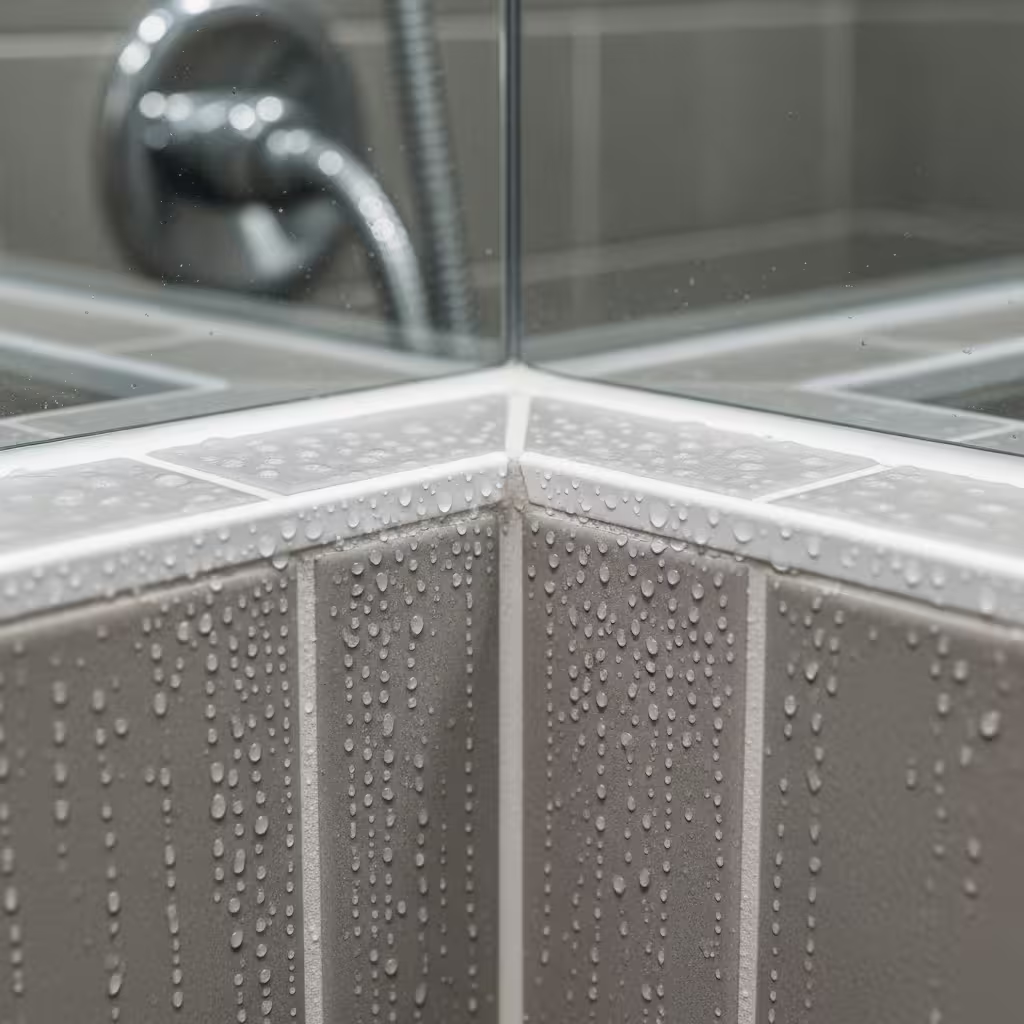
Implementing superior waterproofing measures is foundational in any bathroom renovation aimed at fixing dampness. Notable solutions include the use of waterproof membranes beneath the tiles, which act as barriers against moisture ingress. These membranes, often composed of polyethylene or similar resilient materials, are installed during the initial stages of renovation by skilled professionals such as Clearcut Building Solutions. When complemented with epoxy grout, they offer enhanced performance by resisting water seepage and potential mould growth.
Additionally, sealants are crucial in preventing water from penetrating joint areas. For long-lasting effectiveness, silicone-based sealants are recommended around critical junctions such as bathtub rims, shower screens, and sink peripheries. The strategic use of these sealants by trusted builders ensures that moisture does not infiltrate hidden areas, thereby mitigating dampness risks significantly.
Ventilation Enhancements
Improving ventilation is another essential aspect for moisture management in bathrooms. Poor airflow is a frequent contributor to condensation and, consequently, dampness. To counter this, modern ventilation systems have evolved to include energy-efficient exhaust fans with humidity sensors. These sensors automatically activate the fan when moisture levels increase, providing a proactive approach to maintaining dry bathroom conditions.
For properties in Wellington, where outdoor humidity can fluctuate, integrating passive vent systems alongside active mechanical solutions can be particularly effective. Strategically placed louvred vents use natural airflow to assist in moisture escape, reducing the reliance on electrical solutions and conserving energy. By combining these techniques, homeowners can ensure that their bathrooms are not only practical and comfortable but also resilient against the challenges posed by the local climate.
By focusing on these advanced renovation methods, you can create a bathroom that significantly mitigates dampness. Through the smart application of waterproofing solutions and enhanced ventilation, bathrooms can evolve into spaces that contribute positively to the overall health of your home.
How to Implement Cost-Effective Renovations for Damp Prevention
Addressing dampness in the home, particularly in high-moisture areas like bathrooms, need not be prohibitively expensive. By employing strategic, cost-effective renovation practices, homeowners can mitigate moisture issues without a hefty price tag. For residents in the Wellington region, renowned for its humidity and precipitation, such practices are not just economically sensible, they are essential.
Efficient Material Selection
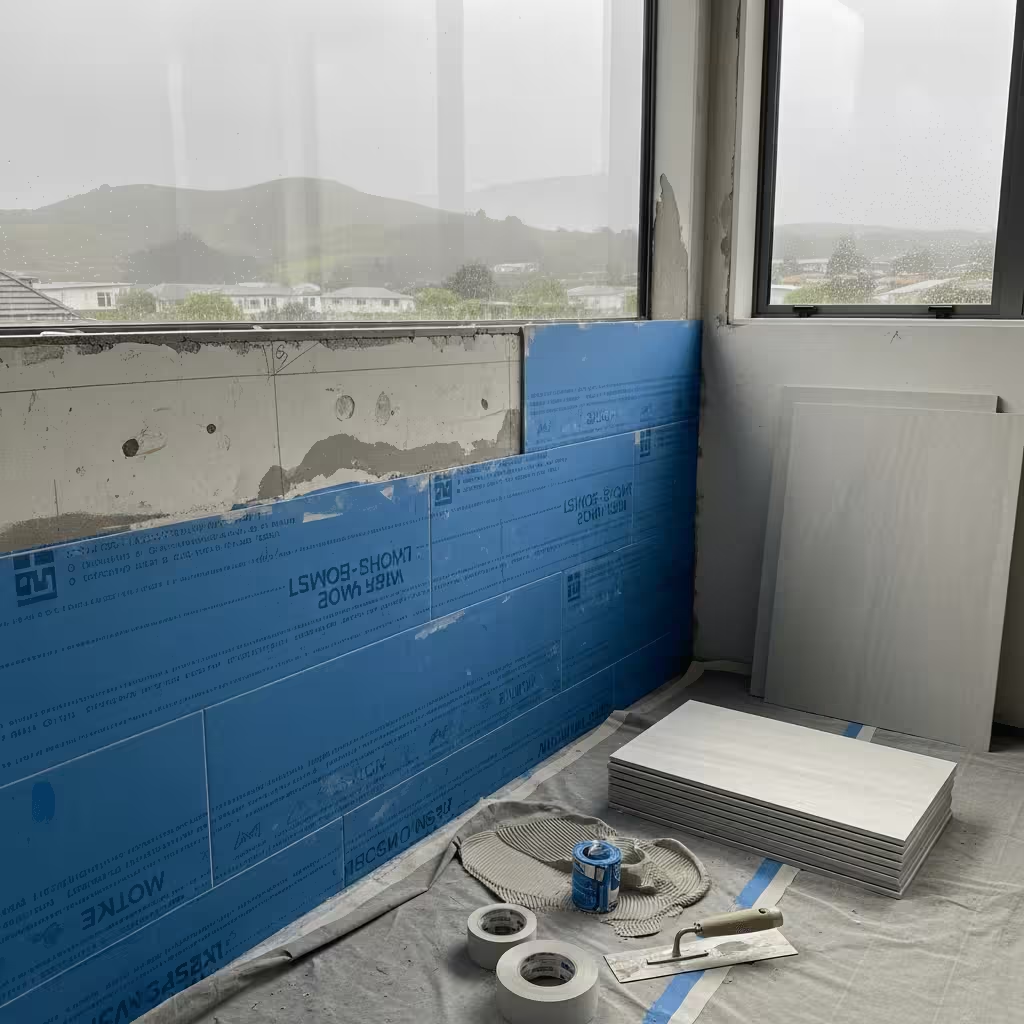
Choosing the right materials plays a critical role in both the functionality and cost-effectiveness of a bathroom renovation aimed at reducing dampness. Opting for moisture-resistant gypsum boards for walls, which cost less than traditional cement boards, can significantly reduce initial renovation expenses. Furthermore, selecting pre-fabricated waterproof basin and shower units, which offer excellent long-term durability and function, can help prevent future damp issues while maintaining a manageable budget. These materials are readily available across the Wellington region, ensuring that cost-effective choices do not compromise on quality.
Simple Yet Powerful Ventilation Solutions
Effective ventilation is paramount to reducing dampness, but it doesn’t necessarily require expensive installations. Implementing simply designed, powerful extractor fans can drastically improve moisture control in bathrooms. In homes throughout Wellington, where airflow may be limited by architectural constraints, window-mounted fans present a viable and budget-friendly alternative to complex ventilation systems. These cost-effective solutions not only reduce moisture and prevent mould growth but also enhance indoor air quality, offering long-lasting benefits across various climates.
Water-Tolerant Coatings and Finishes
Another economically cautious yet effective method is the application of water-tolerant paints and finishes. These coatings add a protective layer that guards against excess moisture and dampness, crucial in bathroom environments often exposed to constant water contact. Clearcut Building Solutions has noted the effectiveness of such treatments in Wellington homes, where innovative but affordable solutions can make a noticeable difference. By focusing on the use of acrylic and epoxy coatings, homeowners can achieve a high-quality finish that provides enduring protection with minimal upkeep.
In summary, implementing cost-effective measures as part of bathroom renovations plays a pivotal role in combating dampness effectively. By prioritising efficient materials, simple ventilation solutions, and water-tolerant finishes, homeowners can enjoy both financial savings and long-term moisture control. These strategies form an essential part of managing dampness in any renovation project, and set the stage for Clearcut Building Solutions to demonstrate their proficiency in delivering reliable, economical renovation solutions.
Why Choose Clearcut Building Solutions for Fixing Dampness In Your Home
When dampness threatens the comfort and integrity of your home, choosing the right team for your bathroom renovation is paramount. Not only should they possess the technical skills, but a deep understanding of local climate conditions is essential. This is precisely where Clearcut Building Solutions shines, offering unmatched expertise in fixing dampness with bathroom renovations in the Wellington region. Their reputation for high-quality craftsmanship and personalised service makes them a top choice for residents seeking durable, moisture-free solutions.
Experienced Local Experts
Clearcut Building Solutions has been a cornerstone of the Wellington community for over 20 years, providing services that are finely tuned to the intricacies of the local environment. Their team of NZ Certified Builders and Licensed Building Practitioners brings a wealth of knowledge to each project, ensuring that every renovation is tailored to counteract the damp-prone conditions typical to the area. Their dedication to precision ensures that not only is the aesthetic aspect of your bathroom considered, but every structural element is designed to mitigate moisture effectively.
What Sets Us Apart
One of the key differentiators for Clearcut Building Solutions is their commitment to transparency and communication. From initial consultation through to project completion, clients are kept informed and involved, fostering a collaborative and stress-free renovation experience. Additionally, their team utilises only the highest quality materials and the latest waterproofing techniques, ensuring long-lasting results. The proven efficacy of these methods is evident in the many satisfied customers across Wellington, Lower Hutt, Upper Hutt, Porirua, and the Kāpiti Coast.
Moreover, as professional builders in the Wellington region, they offer a comprehensive suite of services that ensure every aspect of the bathroom renovation is conducted with the utmost care and attention to detail. Their services extend beyond just fixing dampness, focusing also on creating a space that enhances the home’s value and functionality.
In the upcoming section, ‘Frequently Asked Questions’, we will delve into common inquiries about fixing dampness with bathroom renovations, providing you with further insights to make informed decisions for your home improvement needs.
Frequently Asked Questions
How can bathroom renovations reduce dampness in my home?
Bathroom renovations can play a significant role in damp reduction by incorporating quality waterproofing, proper mechanical extraction ventilating to the outside, using insulated and well-sealed linings, and addressing leak repairs. Though they cannot completely eliminate dampness, these improvements can substantially mitigate moisture issues, especially pertinent in the Wellington region’s climate.
What is the importance of ventilation in bathroom renovations?
Ventilation is crucial in preventing moisture build-up in bathrooms. Properly installed ventilation systems, such as those extracting air to the outside, help reduce humidity levels, preventing mould and mildew growth—a common issue in Wellington’s humid conditions.
Are there any specific materials recommended for bathroom renovations to address damp?
Materials that offer moisture resistance are recommended, such as water-resistant plasterboard and non-porous tiles. Selecting high-quality sealants and coatings can also prevent moisture penetration, further reducing dampness risks.
Can a bathroom renovation alone fix a damp home?
No, while bathroom renovations can significantly reduce moisture levels, comprehensive home dampness management is essential. This includes addressing potential sources of damp across the entire home, not just in the bathroom.
How long does a typical bathroom renovation take?
The duration of a bathroom renovation can vary based on the scope of the project. Generally, a standard renovation could take anywhere from two to six weeks, depending on complexity and unforeseen issues.
Do bathroom renovations require building consent in New Zealand?
Some bathroom renovations may require building consent, depending on the extent of structural changes. It’s advisable to consult with builders or local authorities in Wellington to ensure compliance with regulations.
Can renovations increase my property value?
Yes, well-executed bathroom renovations can enhance property value by improving the home’s aesthetic appeal and functionality, which is attractive to potential buyers.
What budget should I plan for a bathroom renovation focused on reducing dampness?
Budget can widely vary based on the size of the bathroom and the scope of the work needed. On average, a renovation in the Wellington region that focuses on addressing damp issues may range from NZD 10,000 to NZD 20,000 or more depending on the specifics.
Key Insights
Bathroom renovations can significantly reduce dampness in Wellington homes when they target root causes such as poor ventilation, inadequate waterproofing, and failing plumbing, but they rarely fix whole‑of‑house moisture problems on their own.[1] Builders are increasingly combining upgraded extractor fans ducted outside, vapour‑resistant paints, and modern waterproof membranes in showers and floors to meet tighter performance expectations around mould, condensation, and durability.[1]
Current trends in the Wellington region include prioritising bathroom fans sized correctly for room volume, installing humidity‑sensing controls, improving drainage falls, and upgrading to moisture‑resistant linings and sealants to prevent leaks into framing.[1] Industry guidance also stresses checking for hidden rot or mould behind linings during remodels, as unresolved subfloor or exterior envelope issues can continue to drive dampness even after a high‑spec bathroom renovation.[2]