Quick Answer: In 2026, the average cost to build a house in New Zealand ranges from $2,500 to $4,500+ per square metre, with the national average sitting around $3,200–$3,300/m². A standard 3-bedroom home typically costs between $500,000 and $900,000, while high-spec or architecturally designed homes can exceed $1 million. Wellington builds average around $3,700/m² due to hillside sites, seismic requirements, and high wind zones.
Please note: All costs referenced in this guide are industry averages based on publicly available data and do not reflect the pricing by Clearcut Building Solutions. Every build is unique. For an accurate price tailored to your project, contact us to discuss your project.
What’s in This Guide
- Cost Per Square Metre Breakdown
- What Affects Building Costs
- Costs by House Size
- Regional Price Differences
- Hidden Costs to Budget For
- Ways to Reduce Build Costs
- Why Choose Clearcut Building Solutions
- Frequently Asked Questions
Cost Per Square Metre Breakdown (2026)
Building costs in New Zealand are typically quoted per square metre (sqm). As of mid-2026, the national average sits around $3,200–$3,300 per sqm for a standard residential build. The final figure depends on the level of finish, site conditions, and design complexity. Here’s a general breakdown of what you can expect across different build tiers in 2026.
| Build Tier | Cost Per Sqm | What You Get |
|---|---|---|
| Budget | $2,500 – $3,200 | Simple design, standard materials, single level |
| Mid-Range | $3,200 – $4,500 | Quality fixtures, engineered timber, modern kitchen & bathrooms |
| High-Spec | $4,500 – $6,000 | Architect-designed, premium materials, double glazing, underfloor heating |
| Luxury / Architectural | $5,000+ | Bespoke design, high-end finishes, complex builds, steep sites |
These ranges cover the construction contract only and generally don’t include land, council fees, or professional design services. Keep reading for a full breakdown of what else to budget for.
What Affects the Cost of Building a House in NZ in 2026
No two building projects are the same. In 2026, several factors can push your per-square-metre rate higher or lower, and understanding these upfront helps you make smarter decisions during the planning phase.
Site Conditions
A flat, well-drained section in a new subdivision will always be cheaper to build on than a steep hillside site requiring retaining walls and specialised foundations. In Wellington, hillside builds are common and can add $50,000 to $150,000+ to the total project cost due to engineering, earthworks, and access challenges.
Design Complexity
Simple rectangular floor plans cost less per sqm than homes with multiple roof lines, cantilevered sections, or curved walls. Every corner, angle change, and level difference adds labour and material costs. A two-storey home is generally more cost-effective per sqm than a single-storey home with the same floor area because you share one roof and one foundation.
Material Choices
Your cladding, roofing, flooring, and fixture selections have a significant impact. Choosing fibre cement weatherboards over cedar cladding, or laminate benchtops over engineered stone, can save tens of thousands across a whole build. However, premium materials often deliver better long-term value through durability and lower maintenance.
Council and Compliance
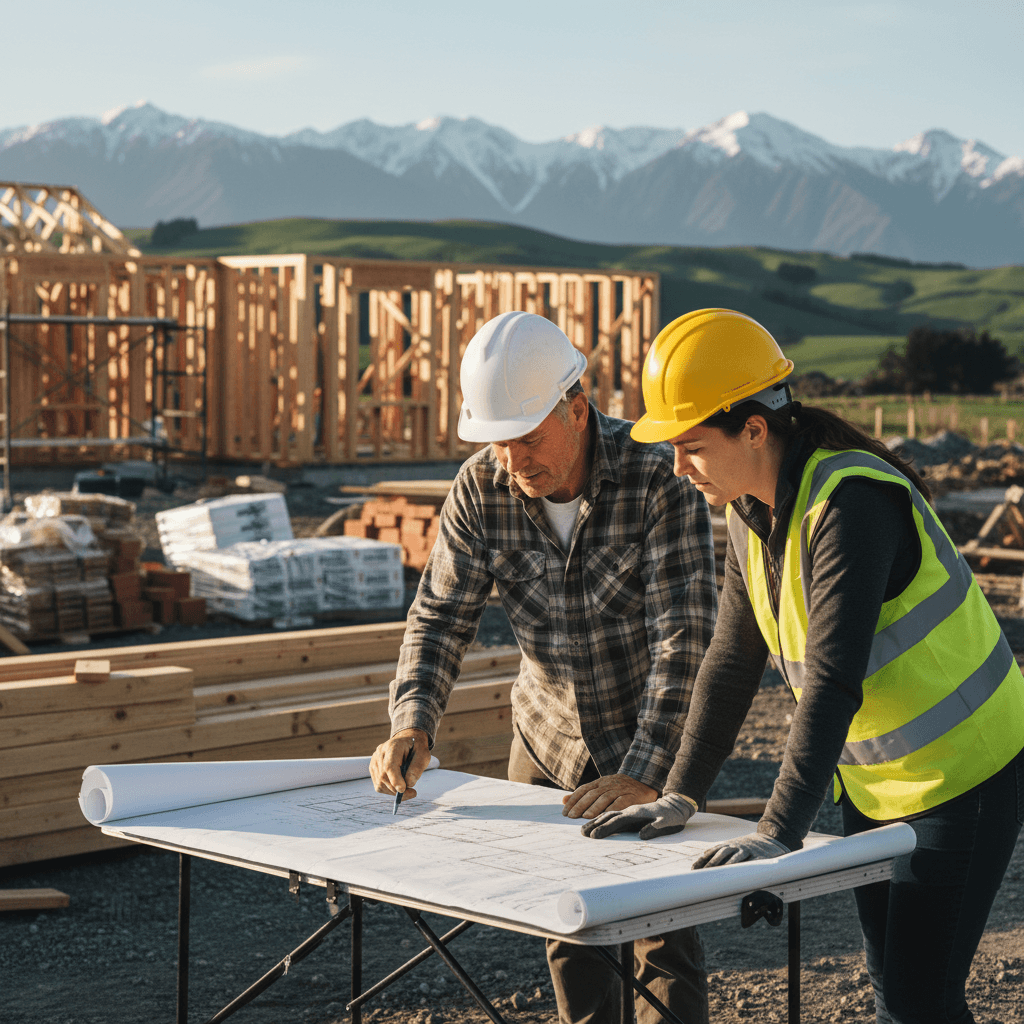
Different councils have different requirements around resource consent, development contributions, and inspections. In Wellington, the council development contribution alone can be $20,000 to $30,000+ for a new dwelling. Wind zone ratings in exposed areas also require stronger fixings and structural elements, adding to costs.
How Much Does It Cost to Build by House Size in 2026?
To give you a practical idea of total project costs, here’s what different sized homes typically cost at a mid-range specification level.
| House Size | Bedrooms | Estimated Build Cost |
|---|---|---|
| 100 sqm | 2-3 | $280,000 – $380,000 |
| 150 sqm | 3 | $420,000 – $570,000 |
| 200 sqm | 3-4 | $560,000 – $760,000 |
| 250 sqm | 4-5 | $700,000 – $950,000 |
| 300+ sqm | 5+ | $840,000 – $1,200,000+ |
These estimates assume a mid-range specification on a reasonably flat site. Add 20-40% for hillside sites, complex designs, or high-spec finishes.
Regional Price Differences Across New Zealand (2026)
Where you build matters. Labour availability, council fees, transport costs, and local demand all influence pricing across the country.
| Region | Avg Cost Per Sqm | Key Factor |
|---|---|---|
| Auckland | $3,200 – $5,500 | High demand, labour costs, council fees |
| Wellington | $3,200 – $4,800 (avg ~$3,700) | Hillside sites, wind zones, seismic requirements |
| Canterbury / Christchurch | $3,200 – $4,500 | Flat land but strict seismic requirements |
| Waikato / Bay of Plenty | $2,500 – $3,500 | Growing regions, competitive pricing |
| Regional / Rural NZ | $2,200 – $3,200 | Lower labour costs but higher transport |
In 2026, Wellington continues to sit at the higher end of national building costs, averaging around $3,700 per sqm. The region’s unique challenges — steep terrain, high wind zones, and seismic design requirements — push costs above flatter regions. However, the result is a home engineered to withstand Wellington’s conditions for decades. Rising material costs and tighter insulation standards (the updated H1 requirements) are pushing 2026 prices slightly higher than 2025 across all regions.
Hidden Costs Most People Forget to Budget For
The construction contract is only part of the picture. In 2026, industry data shows these additional costs typically add 20–30% on top of the headline per-square-metre figure. Many first-time builders are caught off guard by these extras that sit outside the build price.
| Cost Item | Typical Range |
|---|---|
| Architect / Designer | $15,000 – $80,000+ |
| Engineer (structural, geotech) | $5,000 – $25,000 |
| Building consent | $3,000 – $8,000 |
| Development contributions | $15,000 – $35,000 |
| Site preparation / earthworks | $10,000 – $100,000+ |
| Service connections (water, power, sewer) | $10,000 – $30,000 |
| Landscaping & driveways | $15,000 – $60,000 |
| Legal & surveying | $3,000 – $8,000 |
As a general rule, budget an additional 15-25% on top of your construction contract to cover these extras. A good builder will help you understand the full picture before you commit.
Smart Ways to Reduce Your Build Costs
Building a home is a major investment, but there are practical ways to keep costs under control without compromising on quality.
Keep the Design Simple
A simple, compact floor plan with clean roof lines is the single biggest cost saver. Reducing corners, eliminating unnecessary level changes, and choosing a rectangular or L-shaped layout will reduce both materials and labour.
Choose Materials Strategically
Spend on things that matter for longevity and daily comfort: good insulation, quality windows, and durable roofing. Save on cosmetic elements that can be upgraded later, like interior paint colours, light fittings, and landscaping.
Consider a Two-Storey Layout
If you need more than 120 sqm, going up rather than out saves significantly on foundation and roofing costs. A two-storey home can be 10-15% cheaper per sqm than a single-level home with equivalent floor area.
Plan for the Future
Design spaces that can serve multiple purposes. A well-sized garage can become a workshop or studio. A spare room can double as a home office. Building smart from the start avoids costly renovations down the track.
Get Multiple Quotes
Always get at least three detailed quotes from licensed builders. Compare not just price but what’s included, the payment schedule, and the builder’s track record and guarantees.
Why Choose Clearcut Building Solutions for Your New Build
Building a new home is one of the biggest decisions you’ll make, and choosing the right Wellington builders determines whether the experience is exciting or stressful. Our new build service in Wellington is designed to take the complexity out of the process while delivering a home that exceeds your expectations.
As Licensed Building Practitioners (LBP), we bring decades of combined experience to every project. From navigating Wellington’s steep terrain and seismic requirements to managing council consents and inspections, we handle it all so you can focus on the exciting parts.
Every Clearcut new build comes with our Halo 10-Year Residential Guarantee, giving you complete peace of mind that your home is protected well beyond the standard defects period. We believe in transparent pricing, clear timelines, and regular communication throughout your build.
Frequently Asked Questions
How much does it cost to build a 3-bedroom house in NZ in 2026?
In 2026, a mid-range 3-bedroom home (approximately 150 sqm) typically costs between $480,000 and $675,000 for the construction contract at current rates of $3,200–$4,500/sqm. Add 15-25% for professional fees, consents, site works, and landscaping. The total project cost including everything except land is usually $500,000 to $750,000, depending on location and specifications.
Is it cheaper to buy or build in New Zealand?
It depends on your location and what you want. In areas where land is affordable, building can be cost-competitive with buying and gives you a brand new home built to current code with modern insulation and double glazing. In central Auckland or Wellington, the high cost of land often makes buying an existing home more affordable upfront, though renovation costs should be factored in.
How long does it take to build a house in NZ?
A standard new build takes 6 to 12 months from breaking ground to handover. Complex designs, multi-level homes, or difficult sites can take 12 to 18 months. The consent process typically adds 2 to 4 months before construction begins. Allow 12 to 24 months total from initial design to moving in.
What is the cheapest way to build a house in NZ?
The most cost-effective approach combines a simple single-level design, a flat site, standard materials, and a compact floor plan. Kitset or transportable homes offer the lowest entry point (from around $150,000 to $250,000 for the structure), though you still need to factor in site preparation, foundations, consent, and connections.
Do I need a building consent for a new house?
Yes, every new house in New Zealand requires a building consent from your local council. This ensures the design meets the Building Code for structural integrity, weathertightness, fire safety, and accessibility. Your builder or designer will typically manage the consent application on your behalf.
What’s included in a building cost per square metre?
A per-sqm build cost typically covers the construction contract: foundations, framing, cladding, roofing, internal linings, kitchen, bathrooms, electrical, plumbing, and painting. It generally excludes land, design fees, council fees, development contributions, site preparation, driveways, landscaping, and service connections.