Quick Answer: Converting your garage in Wellington requires building consent, proper insulation to meet Healthy Homes Standards, and structural upgrades for wind zones. Costs vary widely based on the conversion type (bedroom, office, or sleepout) and site conditions, with the process typically taking 20 days to 3 months including council approvals.
What’s in This Guide
- Building Consent Requirements for Garage Conversions
- Popular Garage Conversion Types and Costs
- Insulation and Healthy Homes Compliance
- Wellington-Specific Building Challenges
- Step-by-Step Conversion Process
- Why Choose Clearcut Building Solutions
- Frequently Asked Questions
Building Consent Requirements for Garage Conversions
Converting your garage into a habitable space in New Zealand isn’t as simple as adding some insulation and paint. Because garages are classified as non-habitable spaces (Class 7.0 domestic outbuildings), converting them to habitable rooms (Class 2.0) triggers compliance requirements under the New Zealand Building Code.
What You Need for Council Approval
Your building consent application needs to include:
- Scaled floor plans (1:50 scale)
- Building elevations (1:100 scale)
- Cross-sections (1:50 scale)
- Site plans (1:200 scale)
- Wall bracing calculations
- Specifications for insulation and moisture barriers
The approval process typically takes 20 working days for straightforward conversions, but complex projects on sloped sites or those requiring resource consent can take up to 3 months. Wellington City Council requires a change of use notice, and inspections are mandatory at key stages of the conversion.
When Resource Consent is Also Required
While building consent covers the structural changes, you might also need resource consent if your conversion:
- Creates a second dwelling or minor unit
- Affects site coverage limits
- Impacts boundary setbacks
- Changes the property’s zoning use
Sleepouts with kitchen facilities or self-contained units almost always trigger resource consent requirements. Our team can help navigate both consent processes to ensure your project meets all Wellington City Council requirements.
Popular Garage Conversion Types and Costs
Wellington homeowners typically convert their garages for three main purposes, each with different requirements and cost implications.
Home Office Conversion
With remote work becoming permanent for many Wellingtonians, home office conversions are increasingly popular. These require:
- Full insulation to create a comfortable year-round workspace
- Adequate lighting and electrical outlets
- Proper ventilation for air quality
- Data cabling for reliable internet
Extra Bedroom
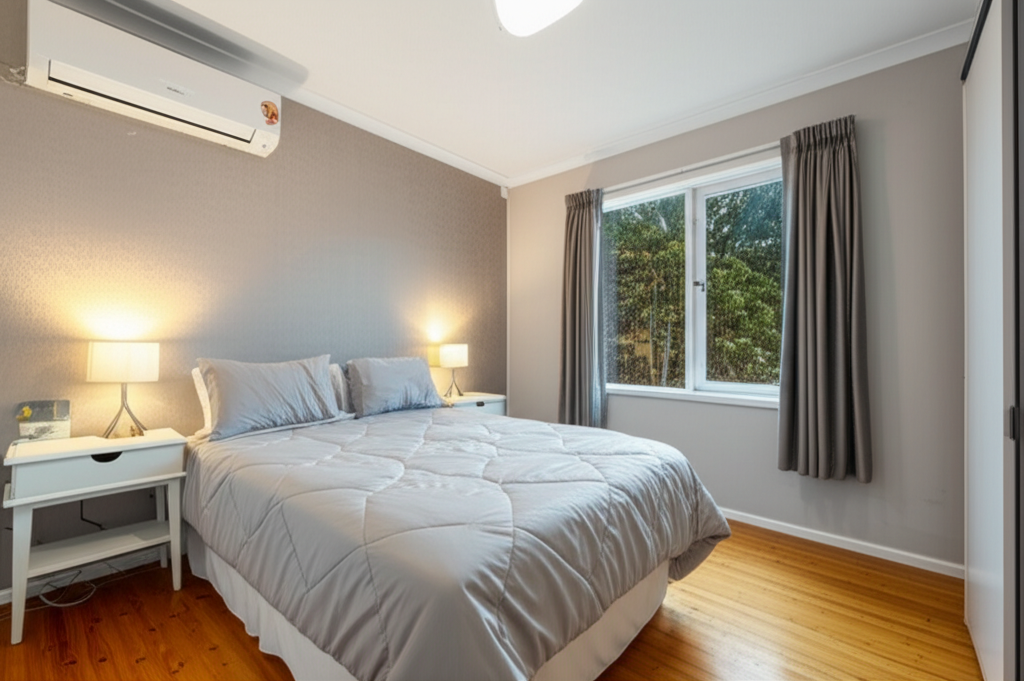
Converting to a bedroom is often the most straightforward option. Requirements include:
- Windows for natural light and emergency egress
- Insulation meeting residential standards
- Heating source (usually a heat pump)
- Smoke alarms connected to the main dwelling
Self-Contained Sleepout
The most complex conversion type, sleepouts with bathroom facilities must include:
- Separate bathroom with toilet and hand basin
- Full kitchen facilities (if creating a minor dwelling)
- Independent access from the main house
- Compliance with all dwelling standards
| Conversion Type | Typical Timeline | Key Requirements | Consent Complexity |
|---|---|---|---|
| Home Office | 6-8 weeks | Insulation, power, ventilation | Building consent only |
| Extra Bedroom | 8-10 weeks | Windows, insulation, heating | Building consent only |
| Sleepout/Minor Dwelling | 12-16 weeks | Bathroom, kitchen, separate access | Building + resource consent |
Renovations, Wellington wide
Thinking about converting your garage?
Clearcut Building Solutions carries out conversions and renovations across Wellington, the Hutt and Porirua, including insulation, lining and the consent work that goes with turning a garage into living space.
Get a quoteor call 0274 622 191
Insulation and Healthy Homes Compliance
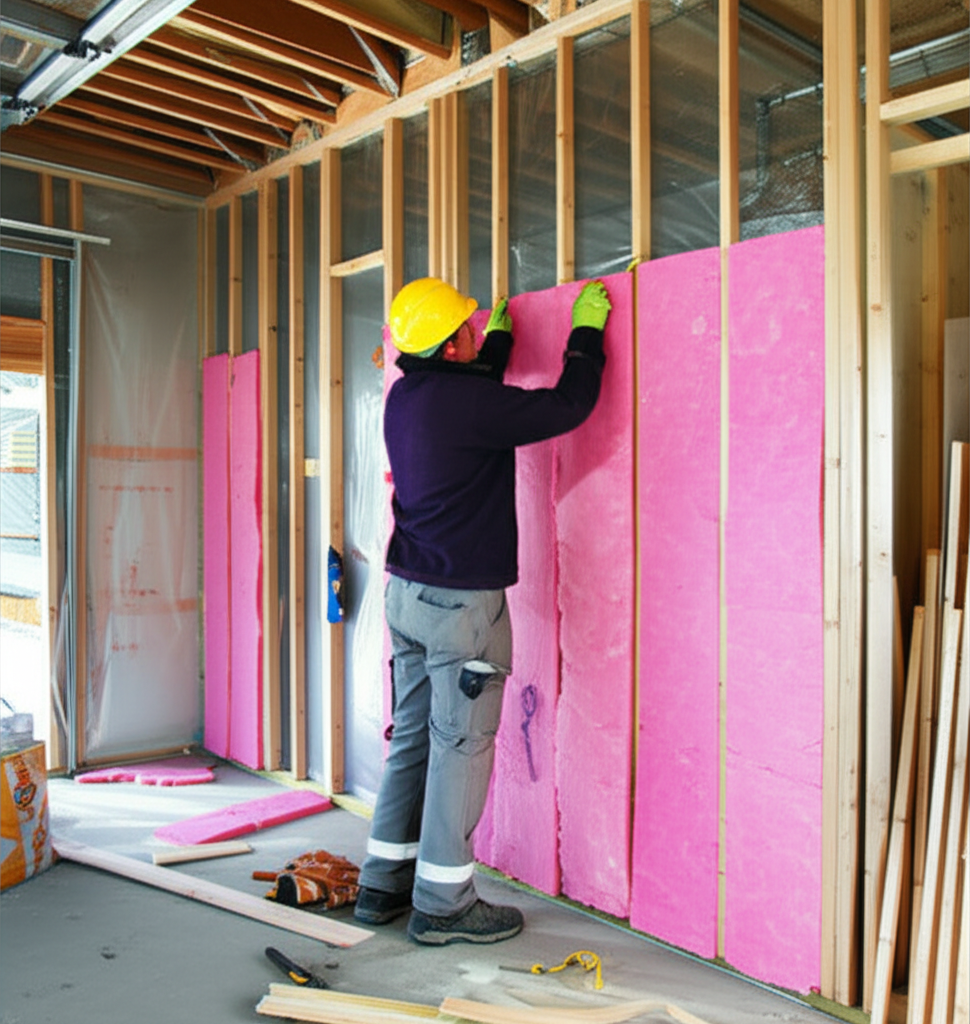
Original garage construction rarely includes the insulation needed for comfortable living spaces. Your conversion must meet NZBC Clause H1 for energy efficiency, which means upgrading all thermal barriers.
Essential Insulation Requirements
Every garage conversion needs:
- Wall insulation with appropriate R-values
- Ceiling insulation (often requiring structural review of trusses)
- Underfloor insulation with polythene vapour barriers
- Building paper between framing and external cladding
- Concrete floors elevated at least 225mm above ground level
Healthy Homes Standards for Rental Properties
If you’re converting a garage for rental purposes, additional requirements apply:
- Minimum insulation R-values specified by region
- Fixed heating capable of reaching 18°C
- Mechanical ventilation in bathrooms and kitchens
- Moisture ingress and drainage provisions
- Draft stopping around windows and doors
Many garage conversions require excavation work to install proper vapour barriers under concrete floors. This prevents moisture problems that could lead to mold and structural damage in Wellington’s damp climate.
Wellington-Specific Building Challenges
Wellington’s unique geography and climate create specific challenges for garage conversions that don’t apply in other parts of New Zealand.
Wind Zone Considerations
As New Zealand’s windiest city, Wellington properties must meet enhanced structural requirements:
- Additional bracing calculations for high wind zones
- Upgraded cladding fixings and flashings
- Engineer review for structural adequacy
- Window and door specifications suitable for wind exposure
Sloped Site Complications
Many Wellington garages sit on sloped sections, requiring:
- Detailed drainage and site plans
- Foundation assessment and potential strengthening
- Retaining wall modifications
- Special consideration for earthquake loadings
Properties in suburbs like Karori, Khandallah, or Newtown often face these hillside challenges. Early consultation with structural engineers familiar with Wellington’s terrain saves time and prevents costly surprises during construction.
Step-by-Step Conversion Process
A successful garage conversion follows a structured approach to minimize delays and ensure compliance.
1. Feasibility Assessment
Start with a professional site visit to assess:
- Structural integrity of existing garage
- Site access for construction
- Services availability (power, water, sewerage)
- Planning restrictions or easements
2. Design and Documentation
Work with qualified professionals to prepare:
- Architectural plans meeting council requirements
- Engineering calculations for structure and bracing
- Specifications for all building elements
- Energy efficiency calculations
3. Council Approvals
Submit applications and manage the approval process:
- Pre-application meeting with council (recommended)
- Building consent application with all documentation
- Resource consent if required
- Respond to any requests for further information
4. Construction Phase
Execute the build with licensed professionals:
- Site preparation and any excavation work
- Structural modifications and bracing upgrades
- Electrical and plumbing rough-in (LBP required)
- Insulation installation and council inspection
- Internal linings and finishes
- Final inspections and code compliance certificate
Why Choose Clearcut Building Solutions for Your Garage Conversion
Converting a garage requires expertise in both renovation techniques and local compliance requirements from trusted Wellington builders. Our home renovation services include comprehensive garage conversions that transform underutilized spaces into valuable living areas.
With years of experience navigating Wellington City Council requirements, we handle everything from initial feasibility studies through to final code compliance certificates. Our team understands the unique challenges of Wellington properties, from wind zone requirements to hillside construction complications.
We work with trusted engineers and designers who specialize in residential conversions, ensuring your project meets all structural and insulation requirements while maximizing your available space. Whether you’re creating a home office, extra bedroom, or self-contained unit, we deliver quality conversions that add real value to your property.
Renovations, Wellington wide
Want your conversion priced?
We will look at the garage, work out what it needs to meet the code, and give you a fixed-scope quote.
Get a quoteor call 0274 622 191
Frequently Asked Questions
Do I always need building consent for a garage conversion in Wellington?
Yes, converting a garage to a habitable space always requires building consent because you’re changing the use classification from non-habitable (Class 7.0) to habitable (Class 2.0). This applies even for simple conversions like home offices. The only exception might be using the space temporarily without permanent modifications, but this wouldn’t include adding insulation, windows, or heating.
How much does a typical garage conversion cost in Wellington?
Costs vary significantly based on the conversion type and site conditions. Basic home office conversions start from around $25,000-$35,000, while bedroom conversions typically range from $35,000-$50,000. Self-contained sleepouts with bathroom facilities can exceed $60,000, especially on sloped sites requiring additional structural work. These estimates include consent costs, professional fees, and compliance with current building standards.
Can I convert my garage if it’s part of the original house structure?
Yes, integrated garages can be converted, but they often require more careful planning. Fire separation between the garage and house must be maintained or upgraded, and you’ll need to ensure adequate ventilation to prevent carbon monoxide issues if vehicles will still be parked nearby. Structural engineers must verify that any modifications won’t compromise the building’s integrity.
What happens if I convert without consent?
Unpermitted conversions create serious problems. You may face council fines, be required to remove all work, or need expensive retrospective consent (if even possible). Insurance claims can be denied, and you’ll have disclosure obligations when selling. Banks may refuse lending against non-compliant work. It’s always cheaper and less stressful to get proper consent first.
How long does the entire conversion process take?
From initial planning to completion, expect 3-4 months for a standard conversion. This includes 2-4 weeks for design and documentation, 20 working days for building consent (longer if resource consent is needed), and 6-10 weeks for construction. Complex conversions on difficult sites or those requiring resource consent can take 5-6 months total.
Can I DIY parts of my garage conversion?
While you can do some work yourself, restricted building work must be completed by Licensed Building Practitioners (LBPs). This includes structural alterations, weathertightness elements, and all plumbing and electrical work. DIY work still requires consent and must meet the same standards as professional work. Many insurance policies also exclude DIY work, so check your coverage before starting.