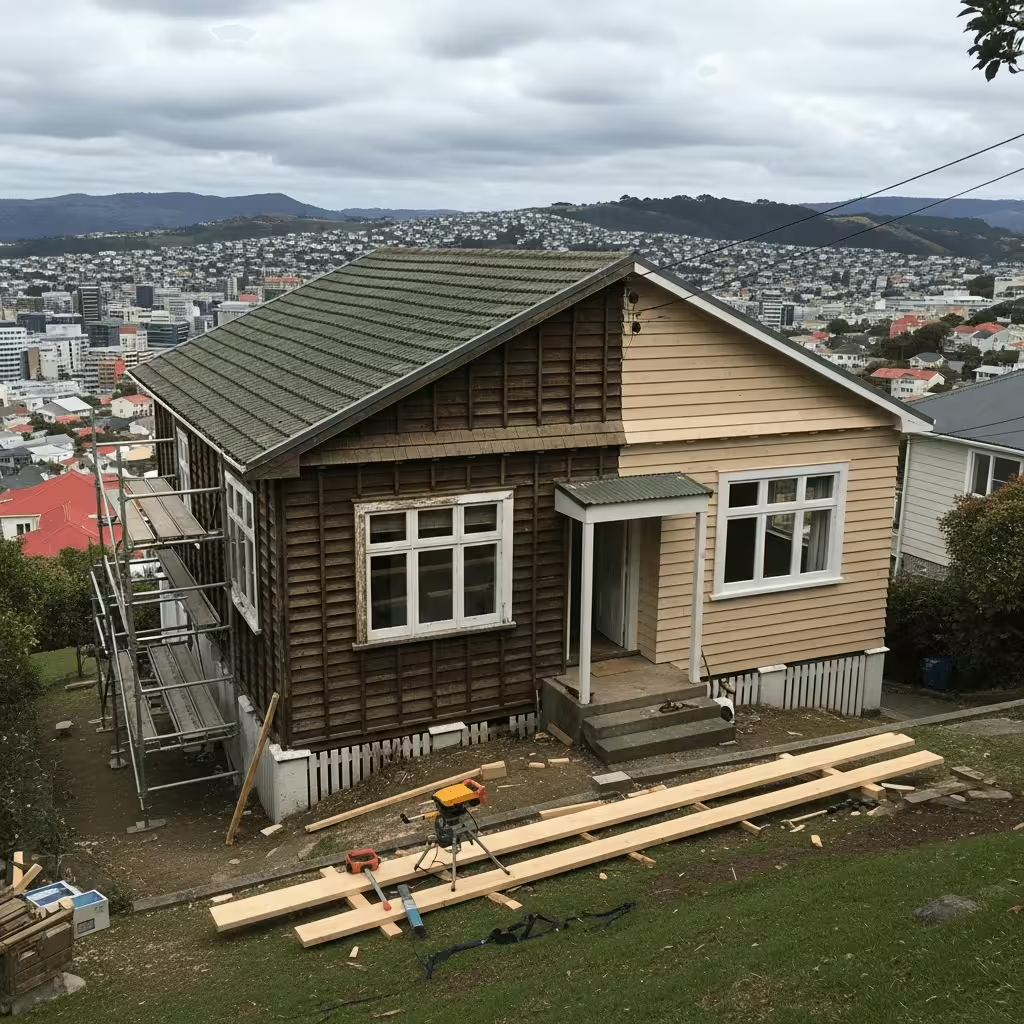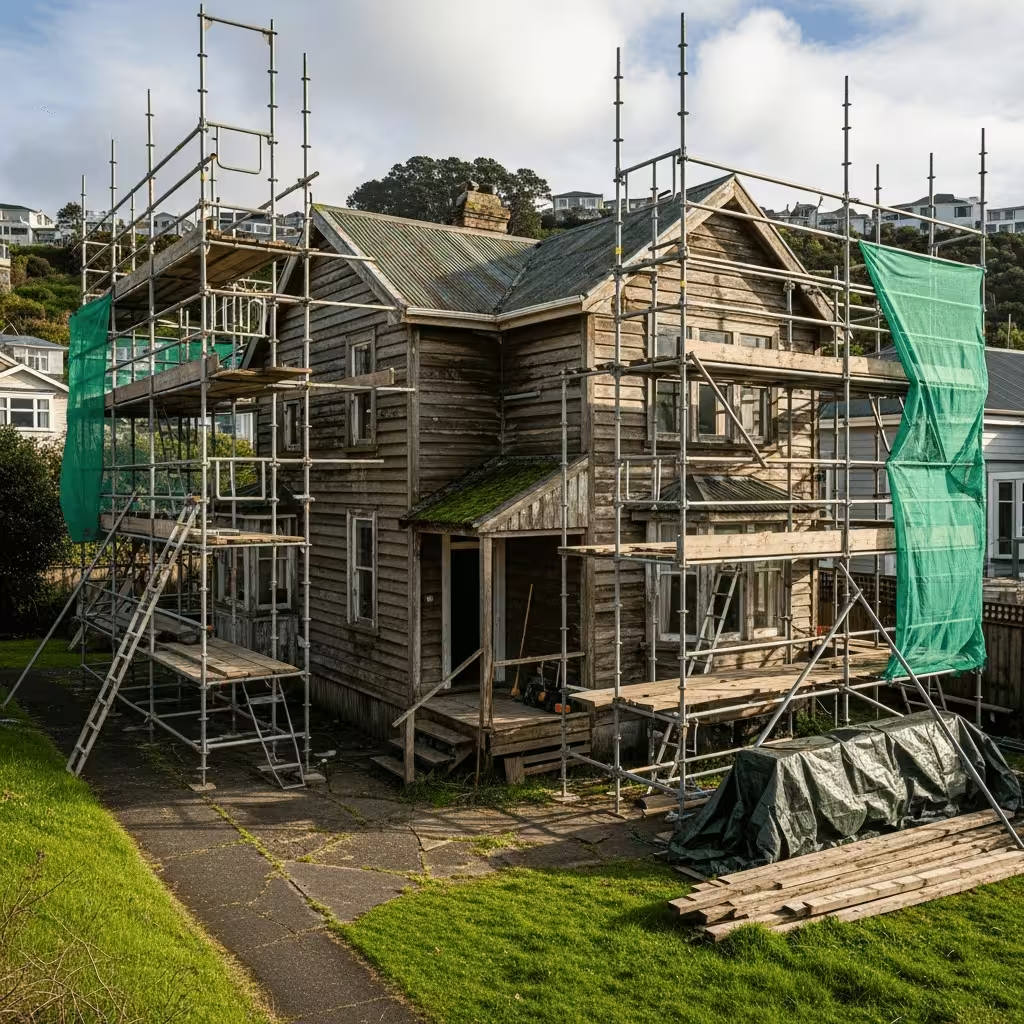
Quick Answer: Recladding a heritage home involves removing damaged or deteriorated exterior cladding and replacing it with new materials while preserving the home’s character. In Wellington, this is common for villas and bungalows in suburbs like Thorndon, Kelburn, and Oriental Bay where older homes face weather damage.
What’s in This Guide
- Why Heritage Homes Need Recladding
- Signs Your Home Needs Recladding
- Cladding Options for Character Homes
- The Recladding Process
- Why Choose Clearcut for Your Wellington Reclad
- FAQs
Why Heritage Homes Need Recladding
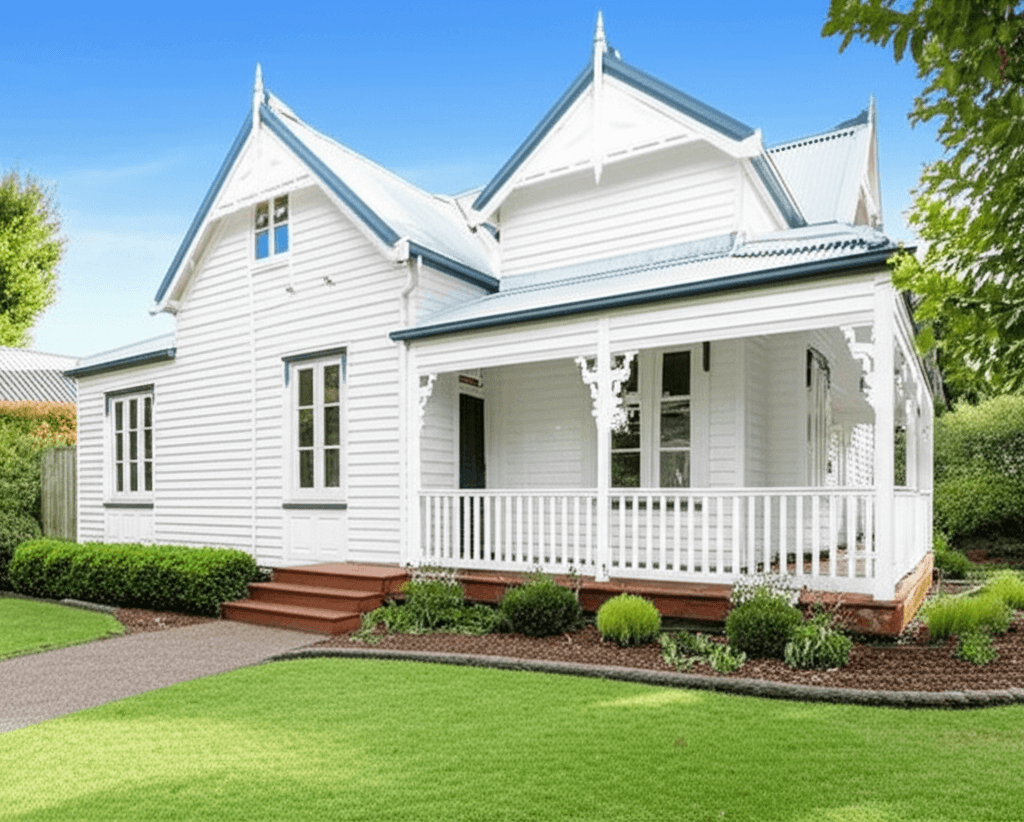
Wellington’s heritage homes – particularly the villas and bungalows built between 1880 and 1940 – were designed for a different era. Many homes in Thorndon, Mt Victoria, and Aro Valley still have their original weatherboard cladding, which has endured over a century of Wellington’s harsh weather.
Common reasons heritage homes need recladding:
- Weather damage – Wellington’s wind and rain take their toll over decades
- Rot and decay – Moisture penetration causes timber to deteriorate
- Poor previous repairs – Patch jobs that don’t address underlying issues
- Leaky home syndrome – Some 1990s-2000s cladding systems have failed
- Insulation upgrades – Recladding allows for modern insulation installation
Signs Your Home Needs Recladding
| Warning Sign | What It Means | Urgency |
|---|---|---|
| Paint peeling repeatedly | Moisture trapped in timber | Investigate soon |
| Soft or spongy boards | Rot has set in | Address promptly |
| Gaps between boards | Timber shrinkage or movement | Monitor and plan |
| Mould inside walls | Water ingress through cladding | Urgent |
| Drafty rooms | Cladding no longer weathertight | Plan replacement |
| High heating bills | Poor insulation behind cladding | Consider upgrade |
Cladding Options for Character Homes
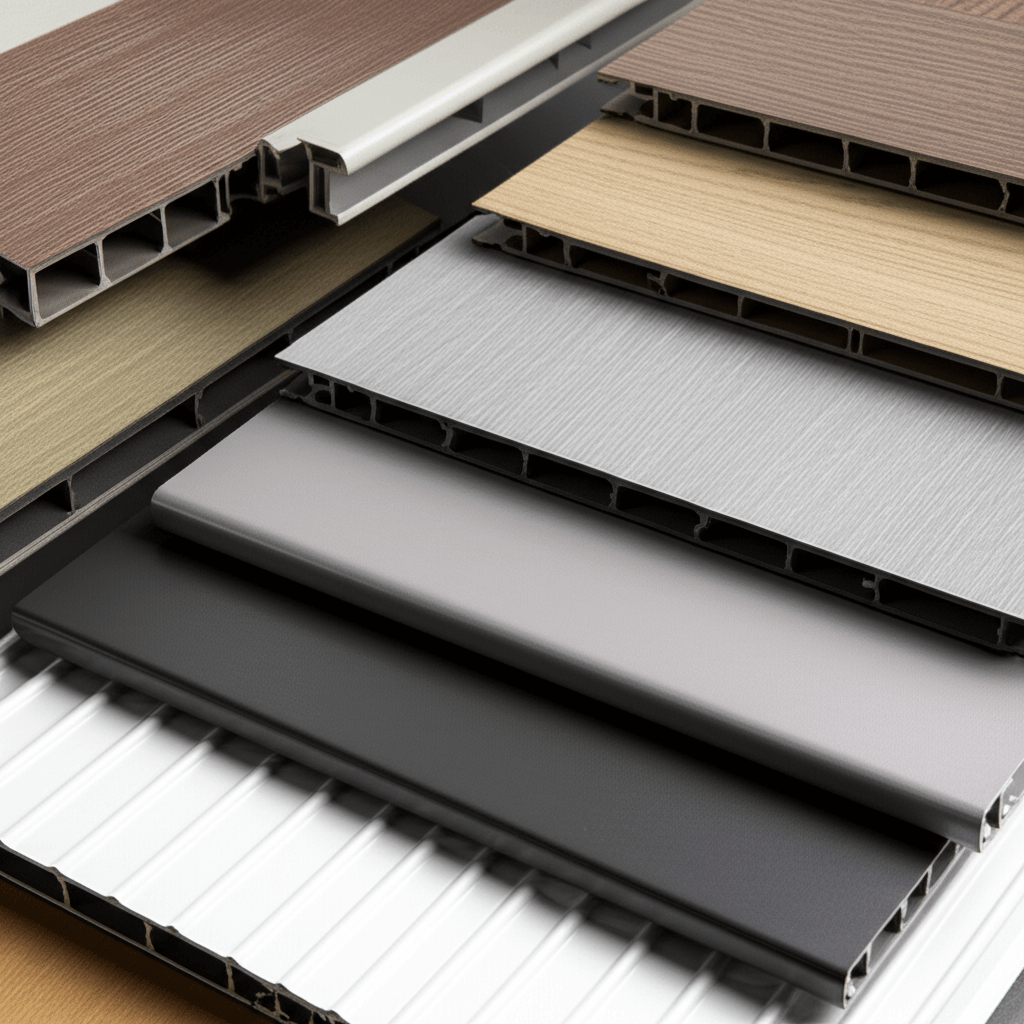
Choosing the right cladding for a heritage home in Kelburn or Wadestown means balancing authenticity with performance. Here are the main options:
Timber Weatherboards
The traditional choice that maintains heritage character. Modern timber weatherboards are treated for durability and can be painted to match original colours. Best for homes where heritage appearance is paramount.
Fibre Cement (Linea/Oblique)
A durable, low-maintenance alternative that mimics the look of timber weatherboards. Popular for its resistance to rot and insects. Requires less ongoing maintenance than timber.
Vertical Board and Batten
Suits certain villa styles and can work well for extensions. Creates a different aesthetic while still complementing heritage homes.
Brick Veneer
Occasionally used for lower levels or feature sections. Adds thermal mass and a distinctive look, though less common for full heritage reclads.
The Recladding Process
1. Assessment and Planning
We inspect the existing cladding, framing, and insulation. This determines the scope of work and identifies any structural repairs needed.
2. Consent (If Required)
Most like-for-like reclads don’t need building consent. However, if you’re changing materials or the work involves structural changes, Wellington City Council consent may be required.
3. Scaffolding and Preparation
Safe access is essential. We erect scaffolding and protect landscaping and neighbouring properties.
4. Cladding Removal
Old cladding is carefully removed to expose the framing for inspection. This is when we identify any hidden rot or damage.
5. Repairs and Upgrades
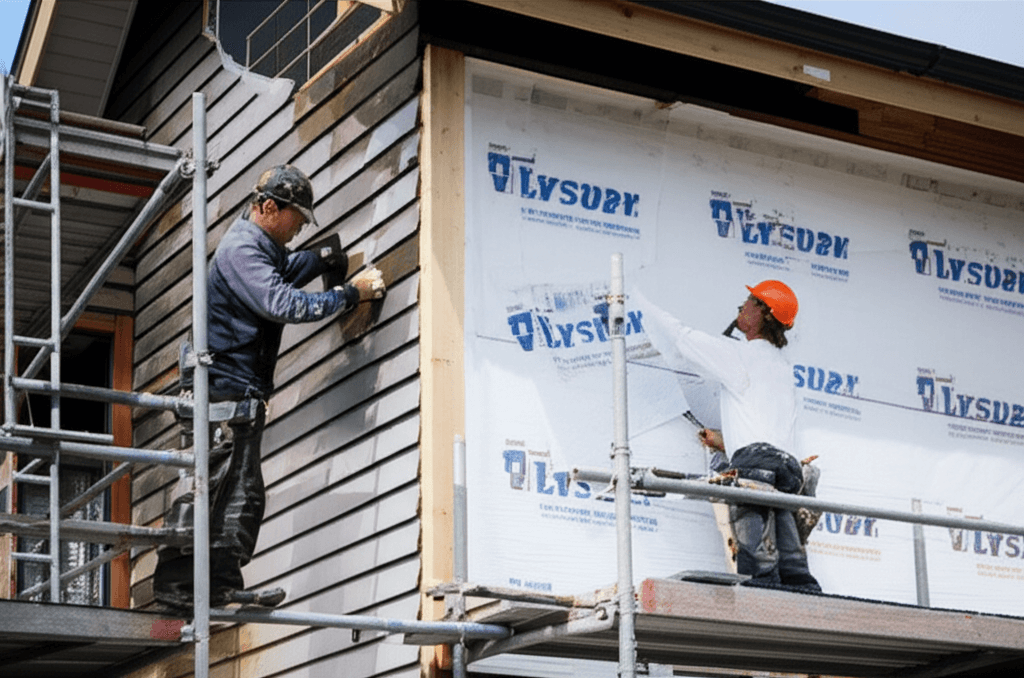
Damaged framing is repaired. This is also the ideal time to add insulation and update the building wrap for a weathertight envelope.
6. New Cladding Installation
New cladding is installed with proper flashings, joints, and ventilation to ensure longevity.
7. Finishing
Painting, trim installation, and final detailing complete the project.
Why Choose Clearcut for Your Wellington Reclad
We’ve completed reclads across Wellington’s character suburbs, from Oriental Bay and Roseneath to Khandallah and Northland. Our experience with heritage homes means we understand both the technical requirements and the importance of maintaining your home’s character.
- NZ Certified Builders – Backed by the Halo 10-year guarantee
- Heritage experience – We’ve worked on homes dating back to the 1890s
- Quality materials – We use proven cladding systems that last
- Full project management – From consent to completion
Learn more about our recladding services in Wellington or get in touch for a no-obligation assessment.
Frequently Asked Questions
How much does recladding cost in Wellington?
Expect $250-$400+ per square metre depending on cladding type, extent of repairs needed, and site access. A full reclad for a typical villa ranges from $80,000 to $150,000+.
How long does a reclad take?
Most residential reclads take 6-12 weeks depending on house size and complexity. Weather can affect timelines, particularly in Wellington.
Do I need to move out during recladding?
Usually not. The work is external, though there will be noise and some disruption. We discuss this during planning.
Will recladding improve my home’s value?
Yes. A quality reclad addresses weathertightness concerns that buyers look for, and improves insulation and appearance.
Can I change the cladding style on a heritage home?
It depends on your location and any heritage overlays. Some areas require like-for-like replacement. We can advise on what’s permitted.