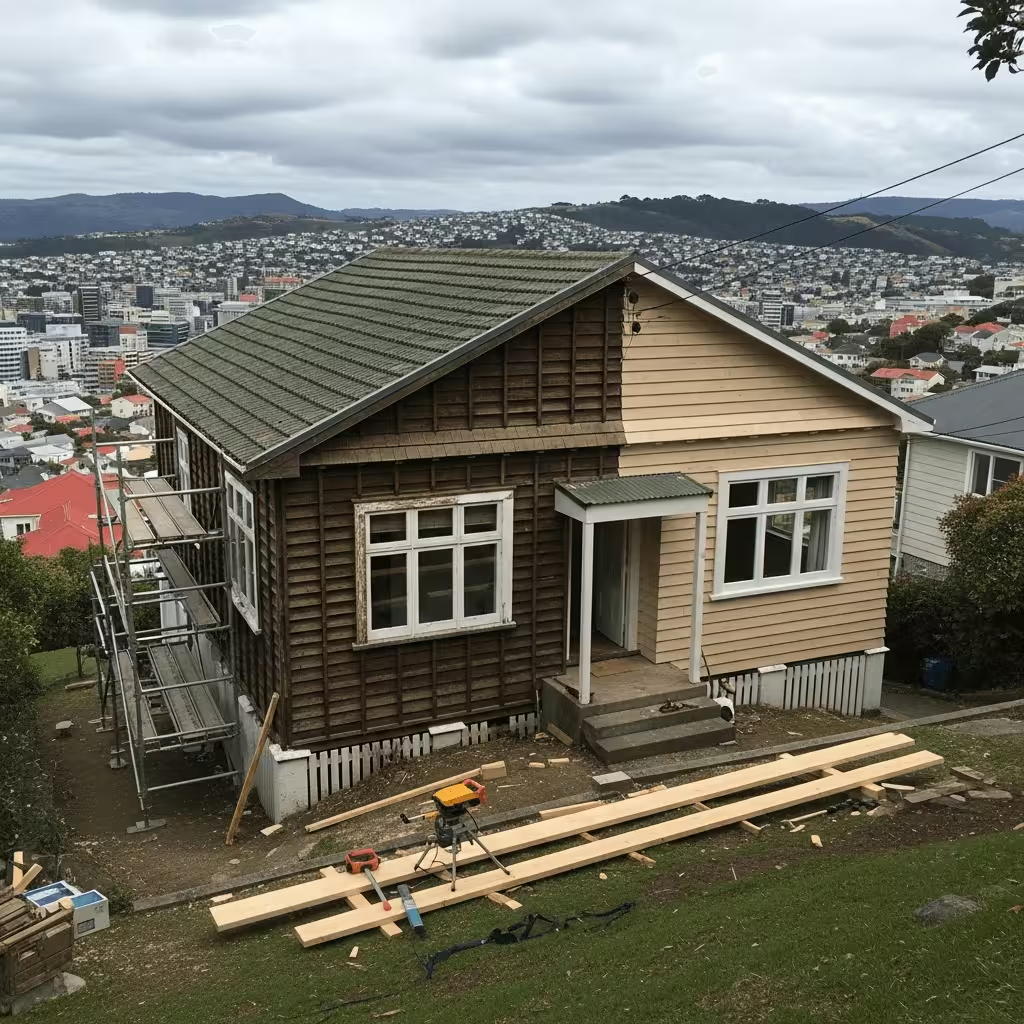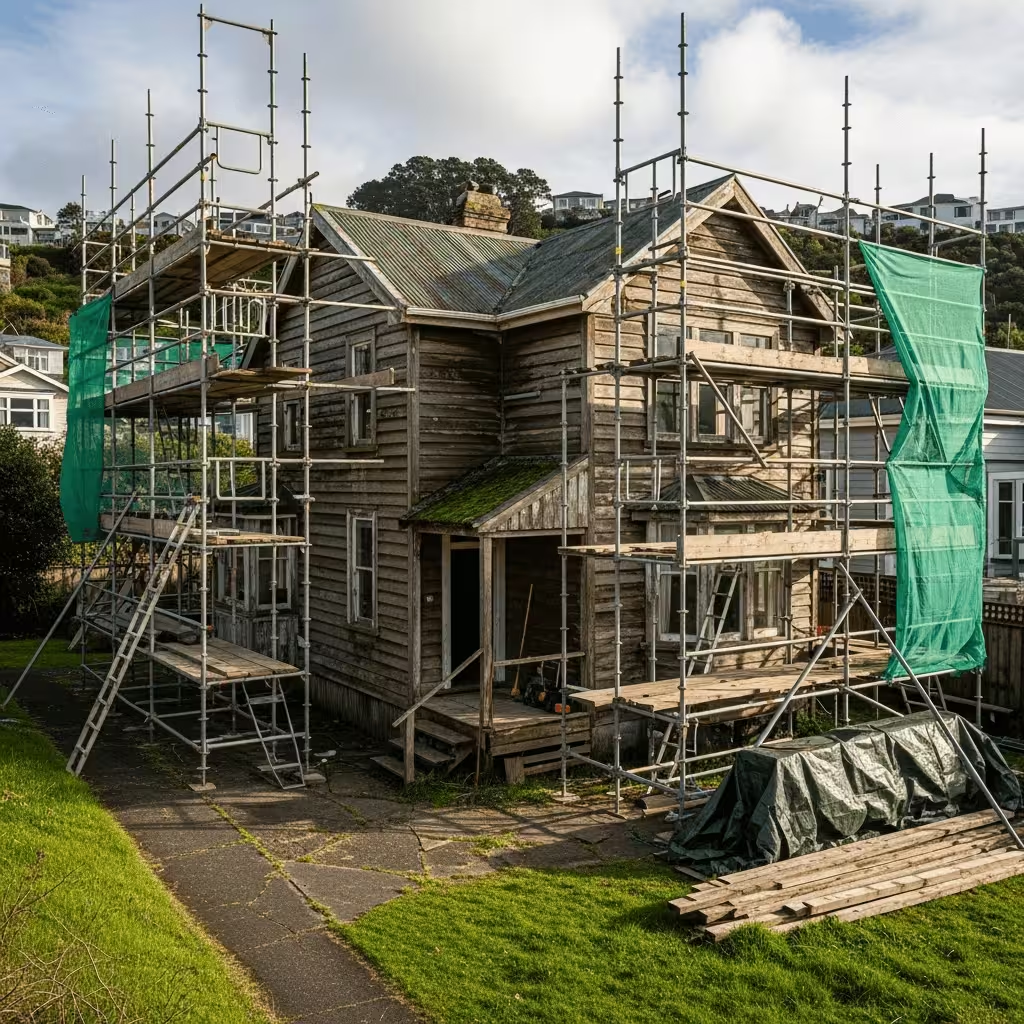

Wellington recladding consent is crucial for major cladding projects, as it ensures compliance with the NZ Building Code and protects against potential structural failures. Consent is required for most full wall recladdings and involves a structured application and inspection process.
- What is the timeline for obtaining Wellington recladding consent?
- Do all recladding projects require a building consent?
- What documents are needed for a recladding consent application?
- How does the 2025 regulatory change affect the consent process?
- What happens if I proceed without obtaining consent?
- Who should I hire for my recladding project?
- Is there a difference in consent requirements based on the type of cladding material?
- How can Clearcut Building Solutions assist with my recladding project?
Embarking on a project to reclad your property in Wellington is a significant undertaking that demands careful attention to regulations and standards. Clearcut Building Solutions, located in the heart of Wellington, offers insight into navigating the often complex process of acquiring a Wellington recladding consent. With the growing focus on building integrity and safety, obtaining the proper permissions is not just a legal formality but a critical step in ensuring your project’s success.
Understanding the Need for Consent
In the New Zealand context, building consent is typically mandatory for any substantial recladding work. This requirement mainly applies when the cladding project involves full wall replacements or when structural integrity might be compromised. While some minor repairs can escape this rigorous process, overlooking the need for a Wellington recladding consent can lead to severe penalties, including hefty fines of up to NZD 200,000. It is essential to confirm whether your intended project is exempt or if it adheres to the council’s guidelines for mandatory consent.
Eligibility and Process
The first step in the consent process involves determining the eligibility of your project. Comprehensive plans, typically developed by licensed professionals such as architects or engineers, must be submitted to the local city council. These documents need to adhere rigorously to the standards set forth by the NZ Building Code. The submission undergoes a detailed review by the council to verify compliance and anticipate any risks involved. Following approval, the project is entreated to a series of inspections throughout its duration to ensure adherence to the agreed guidelines, culminating in the issuance of a Code Compliance Certificate upon satisfactory completion.
Clearcut Building Solutions underscores the importance of this procedure, advising potential clients to engage seasoned experts well-versed in local regulations to avert unnecessary delays or complications. As regulatory landscapes evolve, notably with upcoming changes anticipated in 2025 aimed at streamlining processes for minor works, staying informed is crucial. However, these adjustments do not diminish the necessity for full wall recladding consents, underscoring the significance of thorough preparation and due diligence.
Avoiding Common Pitfalls
Ensuring compliance with local regulations can be daunting, but awareness and meticulous preparation can help avoid common pitfalls. Some property owners mistakenly believe minor repairs themselves warrant full consent, leading to wasted time and resources. Therefore, Clearcut Building Solutions advises a proactive approach—consult the Wellington City Council or an experienced professional whenever there is uncertainty about consent requirements. This practice not only facilitates smoother project progression but also mitigates the risk of costly penalties for unauthorized work.
Detailed Planning for Recladding
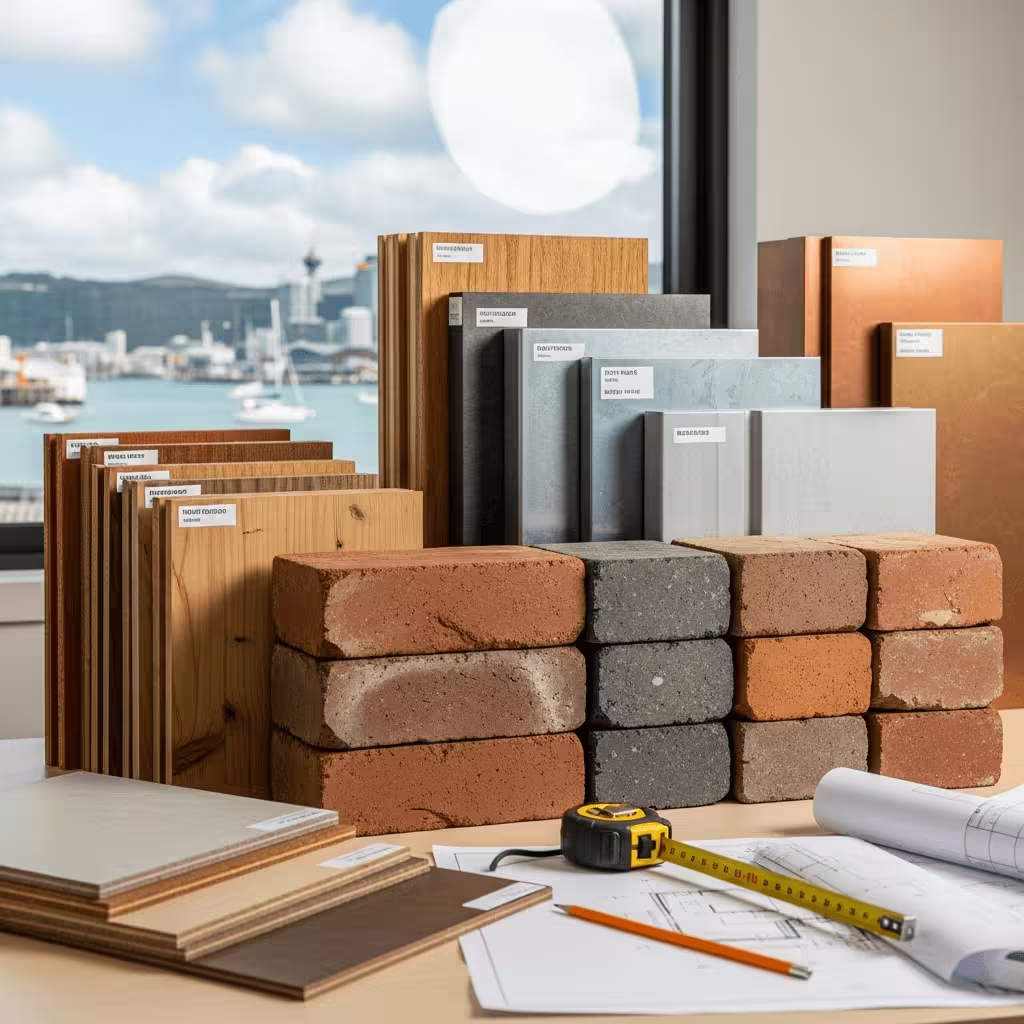
Successful recladding in Wellington starts with meticulous planning, which involves more than just selecting new materials. Before embarking on a recladding project, it’s vital to consider both architectural specifications and the documentation required to secure consent. These steps ensure compliance with local regulations and align the renovations with the aesthetic and functional goals of the property.
Architectural Considerations
When planning a recladding project, architectural considerations form the cornerstone of the process. These decisions not only affect the visual appeal of the building but also its structural integrity and thermal performance. In Wellington, where weather conditions can be quite variable, choosing the right materials is crucial. For instance, materials that withstand high wind loads and frequent rain showers are preferred. Collaborating with an architect familiar with local building codes and environmental conditions can be a massive advantage, ensuring that the design is both practical and compliant.
Additionally, compatibility with existing building components must be evaluated. This ensures that the new cladding works seamlessly with existing windows, doors, and rooflines, preserving the building’s overall harmony and performance. Consideration of energy efficiency is also critical. The selection of materials should enhance insulation properties, helping to maintain comfortable interior temperatures and reduce energy expenditures.
Required Documentation
Securing Wellington recladding consent demands comprehensive documentation, serving as a roadmap to achieve regulatory approval. This includes detailed architectural plans that highlight all aspects of the proposed changes. Explicit annotations regarding material choices, installation methodologies, and any structural modifications must be clearly laid out within these documents.
Moreover, engineering reports might be necessary to substantiate the safety of structural changes, particularly when dealing with older buildings or those exhibiting signs of wear. These reports need to be thorough, providing evidence of the ability of the existing structure to support new cladding systems. Furthermore, specifications related to the compliance with the New Zealand Building Code are obligatory, showcasing that all upgrades meet the requisite safety and durability standards. Lastly, consulting with a local professional, such as Clearcut Building Solutions in Wellington, can ensure that all required documentation is prepared accurately, facilitating a smooth consent process.
The value of thorough planning cannot be overstated. An adequately prepared recladding plan not only expedites the consent process but also safeguards against potential setbacks during implementation.

Understanding the Process of Securing Consent
Securing consent for recladding in Wellington requires understanding both the technical and procedural aspects. This involves navigating legal frameworks and engaging with local councils to obtain the necessary approvals. Consent ensures that all building modifications will adhere to the regulations set out to maintain structural safety and aesthetic coherence in Wellington.
Key Steps and Timeline
The process of obtaining consent for recladding involves several stages, each with its own requirements and timelines. Initially, you’ll need to submit comprehensive drawings and architectural plans to Wellington City Council for approval. This step requires a detailed presentation of the proposed modifications, including technical specifications and material choices. Once submitted, the council will typically take several weeks to review, during which they may request additional information or modifications to align with local building codes.
Following submission, there’s often a wait period as council officers review the plans in detail. It’s important to factor in potential delays, especially if further clarification is needed. After approval, the next step is securing the necessary certifications and scheduling inspections throughout the project to ensure compliance remains consistent.
Common Challenges
One of the most significant challenges in the consent process is addressing building code compliance. Wellington’s regulations are particularly stringent, reflecting the city’s commitment to high safety and construction standards due to its unique geographical and climatic considerations. Homeowners often encounter requests for additional information or revisions, especially in areas where existing structures are older or previously non-compliant.
Another potential obstacle is coordinating with multiple stakeholders, such as architects, engineers, and council officers, which requires clear, ongoing communication. Differences in expectations or misunderstandings can lead to delays, emphasizing the need for a coordinated approach. Leveraging clear communication tools and keeping detailed records of all interactions will help mitigate these issues.
Effective Strategies for Success
To navigate the consent process successfully, engage experienced professionals early. Collaborating with architects and construction specialists who understand Wellington’s local requirements can streamline approvals and reduce the likelihood of extended delays. Additionally, maintaining a flexible project plan that accommodates potential changes or requests from the council can prevent timeline overruns.
Maintaining good relationships with council officers is equally crucial. Proactive communication and readiness to address their concerns expediently can significantly influence the efficiency of the consent process. Consider regular check-ins and updates to ensure that all parties are aligned.
Finally, being prepared with a contingency plan for common issues such as weather-related delays or unforeseen structural complications can enhance your project’s resilience. A well-outlined strategy not only prepares stakeholders for unexpected hurdles but also reinforces a proactive mindset throughout the recladding process.
Transition to Clearcut Building Solutions
Understanding the intricacies of securing consent is pivotal, yet executing them flawlessly is where professional expertise comes into play. As the next section discusses the advantages of choosing Clearcut Building Solutions for your recladding needs in Wellington, we’ll explore how our commitment to quality and proven methodologies make the consent and implementation phases seamless and stress-free for homeowners.
Why Choose Clearcut Building Solutions for Your Recladding Consent Needs
When it comes to embarking on a recladding project in Wellington, partnering with the right building specialists is crucial. With Clearcut Building Solutions, homeowners gain access to a well-established construction company known for its comprehensive understanding of local regulations and exceptional building craftsmanship. With over 20 years of operational experience, Clearcut Building Solutions has honed its expertise in navigating the complexities of Wellington recladding consent processes, guaranteeing projects not only meet legal requirements but exceed client expectations.
Experienced Local Experts
Clearcut Building Solutions brings a wealth of local knowledge and expertise to each project. Based in Wellington, New Zealand, the company is intimately familiar with the specific building codes and consent requirements in the region. This ensures that all projects adhere to the necessary compliance standards while mitigating the risk of potential delays due to oversight. By working with our team, you can feel confident that your recladding project will proceed smoothly.
What Sets Us Apart
Our commitment to precision and transparency has earned us the trust of numerous clients. As NZ Certified Builders and Licensed Building Practitioners, we uphold the highest standards of professionalism and craftsmanship. Whether undertaking residential projects or light commercial constructions, our team ensures every detail is executed with care and efficiency. This dedication to quality has not only solidified our reputation but also imbued our projects with a level of reliability that few can match. Moreover, our status as leading Wellington recladding specialists further underscores our ability to handle projects of any scope and complexity.
Choosing Clearcut Building Solutions means opting for a comprehensive service tailored to your unique needs. From initial consultations to the completion of your project, we ensure that every stage is handled with professionalism and a commitment to excellence. You can trust us to not only meet but exceed your expectations, delivering a final product that is structurally sound and aesthetically pleasing.
Stay tuned for Section 5: Frequently Asked Questions, where we will address common inquiries regarding Wellington recladding consent to provide clarity and confidence in your project planning journey.
Frequently Asked Questions
What is the timeline for obtaining Wellington recladding consent?
The timeframe for obtaining consent can vary, but typically it involves several weeks to a few months. This depends on the complexity of your project and the efficiency of the documentation provided. Early engagement with professionals can help expedite this process.
Do all recladding projects require a building consent?
Not all recladding projects require consent. Minor repairs or maintenance that do not affect the structure might be exempt. However, any major recladding, especially involving full wall replacements, usually requires consent due to structural implications.
What documents are needed for a recladding consent application?
You’ll need detailed architectural plans, specifications, and sometimes structural engineering assessments. These should be prepared by licensed professionals familiar with the local consent processes.
How does the 2025 regulatory change affect the consent process?
The 2025 regulatory changes aim to streamline the consent process for minor works, but full recladding projects are still subject to rigorous consent requirements to ensure compliance with the NZ Building Code.
What happens if I proceed without obtaining consent?
If you undertake work without obtaining required consent, you risk hefty fines up to $200,000. Additionally, selling your home could be problematic without proper certificates and documentation.
Who should I hire for my recladding project?
It’s essential to hire licensed professionals such as architects or engineers who are experienced in Wellington’s building consent process. They can guide you through design, documentation, and liaising with the local council.
Is there a difference in consent requirements based on the type of cladding material?
The type of material can influence the consent process. Unique or less commonly used materials might require additional checks to ensure they meet the necessary standards, which can affect the consent timeline.
How can Clearcut Building Solutions assist with my recladding project?
Based in Wellington, Clearcut Building Solutions offers expert guidance throughout your recladding project, from planning and applying for consent to execution, ensuring compliance and quality at every step.
Key Insights
Building recladding projects in Wellington almost always require a building consent if structural components, weather-tightness, or load-bearing elements are affected. The consent process demands detailed plans from a licensed professional and evidence that the work meets strict New Zealand Building Code requirements relating to safety and durability. Incomplete applications or non-compliance with guidelines frequently result in delays[2]. Starting recladding without an approved consent is unlawful and risks substantial fines or corrective actions from the council, so project owners should always consult with experts and ensure all regulatory steps are followed[1].
Recent trends highlight a growing emphasis on employing qualified practitioners for application accuracy and compliance, as well as on documenting all work (including exempt repairs) for future transparency and to protect property value. Council officers recommend proactively notifying them of all alterations and sharing final plans, specifications, and photographs to align official property records and reduce sale complications[1][2].